Classics & favourite authors books for children
Julia Donaldson favourites and the classic picture books families come back to again and again.
Julia Donaldson 15 books
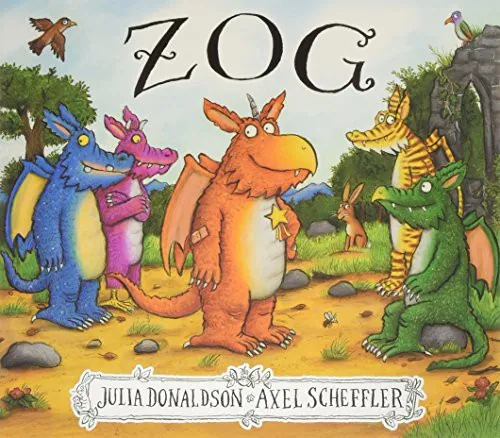
Zog Julia Donaldson and Axel Scheffler
Why we chose it
Zog tries so hard at dragon school that he keeps crashing, and a kind princess patches him up each time. It shows effort and mistakes as part of learning, and that the thing you're good at may not be the one you expected.
Try asking: “Zog kept crashing. What helped him keep trying?”
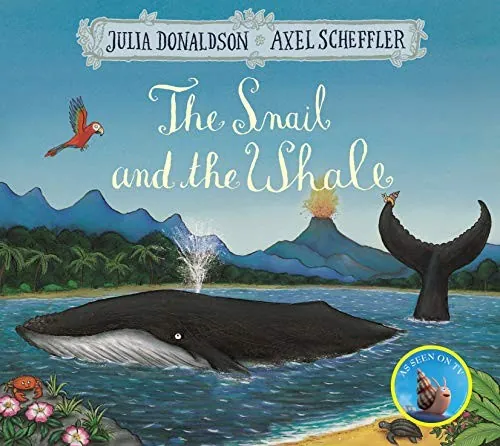
The Snail and the Whale Julia Donaldson and Axel Scheffler
Why we chose it
A tiny snail sees the world on a whale's tail, and when the whale is stranded it is the snail who gets help to save him. A gentle way to show that small people can do big things.
Try asking: “The snail was tiny. How did she still help the whale?”
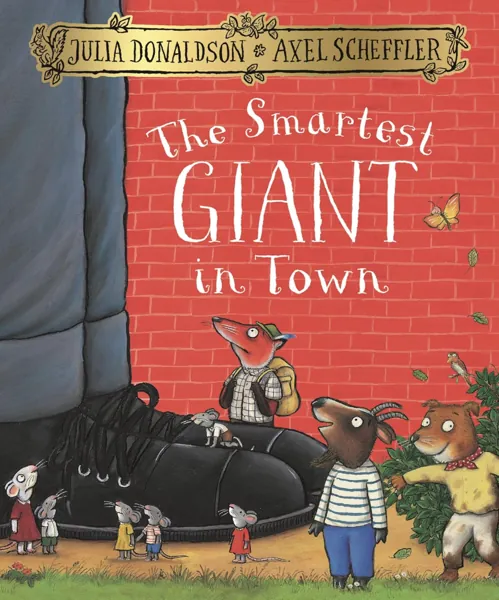
The Smartest Giant in Town Julia Donaldson and Axel Scheffler
Why we chose it
George the giant buys smart new clothes, then gives each piece away to an animal who needs it. It makes kindness concrete: giving something up so someone else is better off.
Try asking: “Why did George give his new clothes away?”
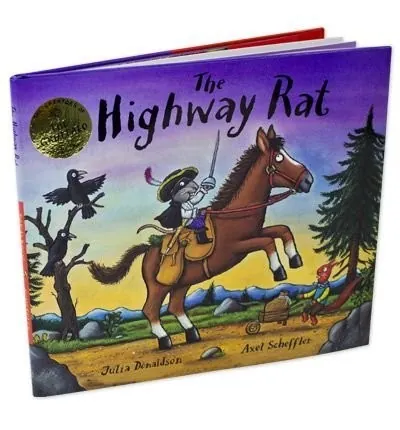
The Highway Rat Julia Donaldson and Axel Scheffler
Why we chose it
The Highway Rat takes everyone's food until a clever duck outwits him. Children enjoy seeing grabbing and greed fail, which opens a calm conversation about taking and sharing.
Try asking: “How do you think the other animals felt when the rat took their food?”
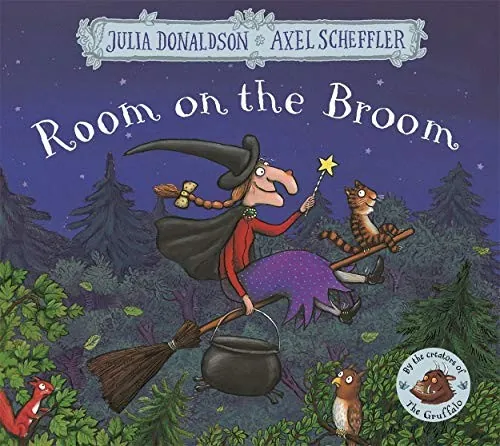
Room on the Broom Julia Donaldson and Axel Scheffler
Why we chose it
A witch keeps making room on her broom for new friends, and when she is in danger they save her. It shows including others as something that comes back to you.
Try asking: “What happened because the witch made room for everyone?”
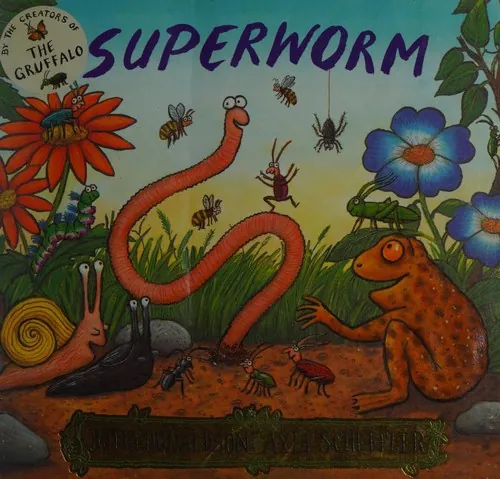
Superworm Julia Donaldson and Axel Scheffler
Why we chose it
Superworm is always helping the other creatures, and when he is captured they work together to rescue him. A simple story about looking after the friends who look after you.
Try asking: “How did the other creatures help Superworm?”
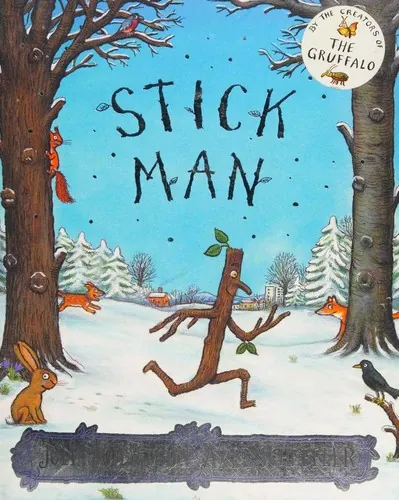
Stick Man Julia Donaldson and Axel Scheffler
Why we chose it
Stick Man is carried further and further from his family tree and keeps trying to get home. Useful for children who miss a parent at drop-off, or are away from home.
Try asking: “How do you think Stick Man felt when he was far from home?”
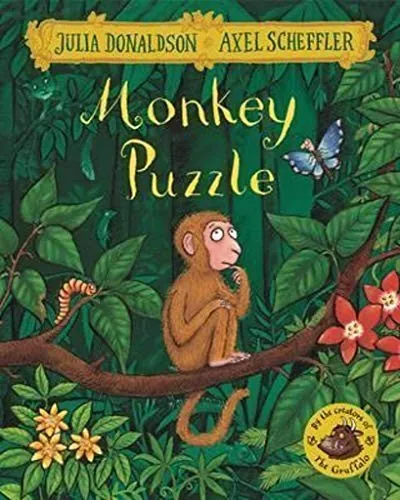
Monkey Puzzle Julia Donaldson and Axel Scheffler
Why we chose it
A little monkey who has lost his mum asks a butterfly for help, and describing her clearly is what finally finds her. A gentle way to practise what to do if you get lost.
Try asking: “What would you do if you couldn't see me in a shop?”
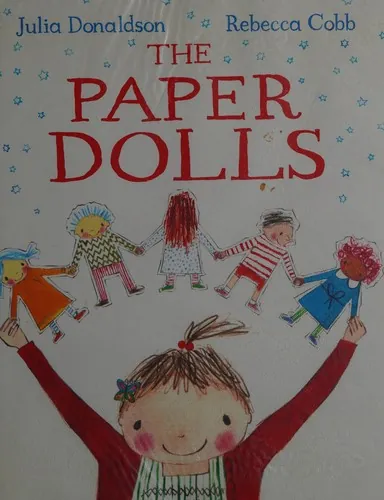
The Paper Dolls Julia Donaldson and Rebecca Cobb
Why we chose it
A girl's paper dolls are snipped up, but they live on in her memory with other lovely things, including her grandmother. One of the few gentle picture books about loss and remembering.
Try asking: “What happy things do you keep in your memory?”
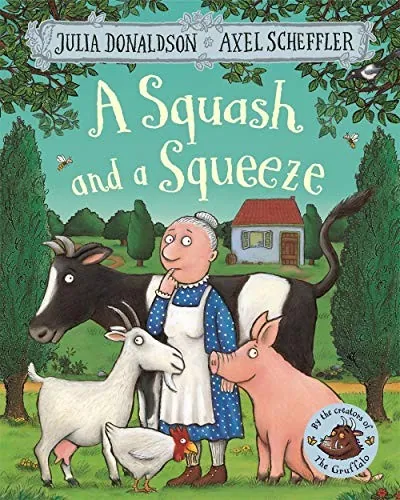
A Squash and a Squeeze Julia Donaldson and Axel Scheffler
Why we chose it
An old lady thinks her house is too small, until a wise man has her bring in all her animals. Once they leave, the house feels huge. A funny way into gratitude and changing how you see things.
Try asking: “Why did the house feel bigger at the end?”
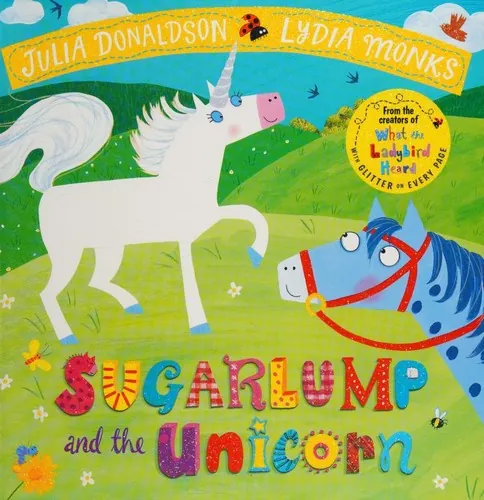
Sugarlump and the Unicorn Julia Donaldson and Lydia Monks
Why we chose it
Sugarlump the rocking horse wishes to be something else, and a unicorn grants each wish, until he realises he was happiest as himself. A gentle story about being content with who you are.
Try asking: “Why did Sugarlump want to go home in the end?”
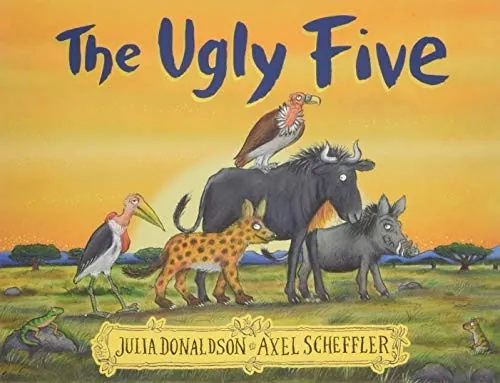
The Ugly Five Julia Donaldson and Axel Scheffler
Why we chose it
Five animals called ugly sing about themselves with pride, and to their babies they are beautiful. A cheerful way to talk about appearance, teasing and being loved as you are.
Try asking: “Why did the babies think their parents were beautiful?”
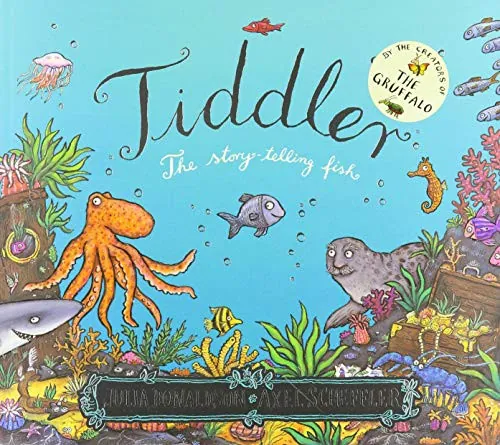
Tiddler Julia Donaldson and Axel Scheffler
Why we chose it
Tiddler explains why he's late with bigger and bigger stories, until one day no one believes him. It is a light way to talk about the difference between imagining and telling the truth.
Try asking: “When is a made-up story fun, and when could it cause a problem?”
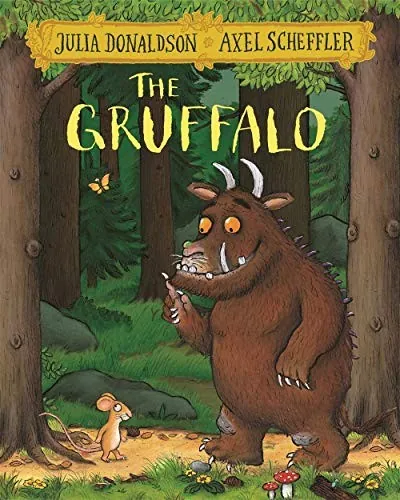
The Gruffalo Julia Donaldson and Axel Scheffler
Why we chose it
A small mouse faces bigger animals by inventing the Gruffalo, then has to think fast when he meets a real one. A favourite for talking about fear and staying calm enough to think.
Try asking: “The mouse was scared. What did he do to stay safe?”
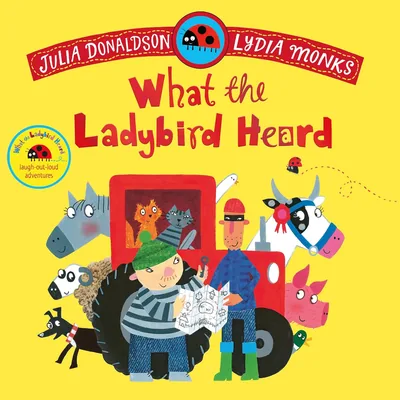
What the Ladybird Heard Julia Donaldson and Lydia Monks
Why we chose it
Hefty Hugh and Lanky Len have a cunning plan to steal the farmer's prize cow. But the tiniest, quietest creature of all, a ladybird, has heard their plot, and she has a plan of her own. A brilliantly funny rhyming farmyard adventure.
Try asking: “How did the ladybird stop the robbers?”
Classic picture books 27 books
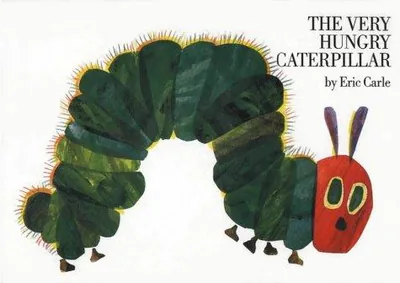
The Very Hungry Caterpillar Eric Carle
Why we chose it
A tiny caterpillar eats his way through the week, gets a tummy ache from too much cake, then waits in his cocoon before becoming a butterfly. A simple way to talk about growing up, change that takes time, and how our bodies feel after different foods.
Try asking: “The caterpillar had to wait inside his cocoon. What is something you are waiting for?”
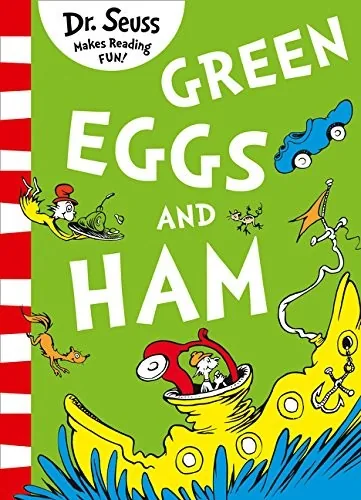
Green Eggs and Ham Dr. Seuss
Why we chose it
Sam-I-Am keeps offering green eggs and ham, and his friend keeps saying no in every place he can think of, until he finally tries them and loves them. A funny, rhyming way to talk about trying something new before deciding.
Try asking: “He said no so many times. What made him try it in the end?”
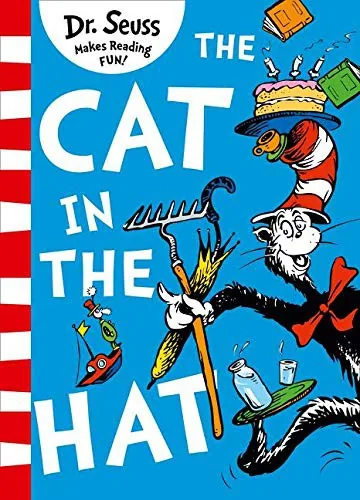
The Cat in the Hat Dr. Seuss
Why we chose it
On a rainy day, the Cat in the Hat turns the house upside down while the fish keeps saying no, then tidies it all just in time. It opens up talk about choosing what to do when no grown-up is around, and whether to tell Mum what happened.
Try asking: “The fish kept saying no. Who do you think was right?”
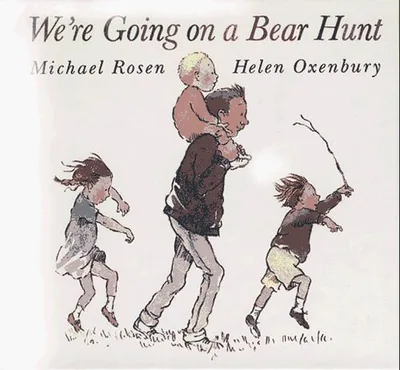
We're Going on a Bear Hunt Michael Rosen and Helen Oxenbury
Why we chose it
A family sets off on a bear hunt through long grass, a river, mud, a forest and a snowstorm. They can't go over or under each one, so they go through it, together. A much-loved read-aloud about keeping going when something is hard.
Try asking: “They couldn't go over it or under it. What did they do instead?”
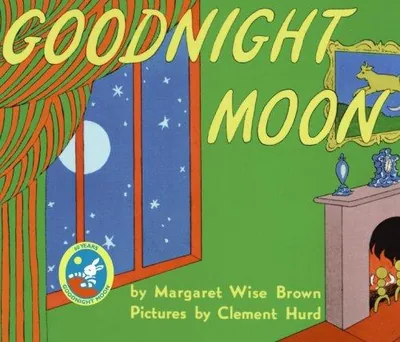
Goodnight Moon Margaret Wise Brown and Clement Hurd
Why we chose it
A little bunny says goodnight to everything in the great green room, one thing at a time, as the room gets darker. Its slow, quiet rhythm makes it a calming part of bedtime for little ones who find it hard to settle.
Try asking: “What would you like to say goodnight to in your room?”
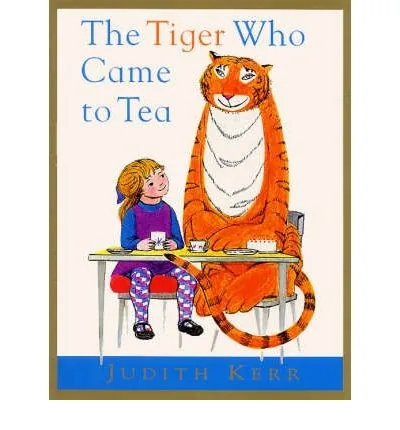
The Tiger Who Came to Tea Judith Kerr
Why we chose it
A tiger turns up at teatime and eats everything in the house, even all the water in the tap. Sophie and her mummy stay calm, and Daddy has a good idea. A British classic that shows a family taking a very unexpected visitor in its stride.
Try asking: “What did Sophie's family do when there was no food left?”
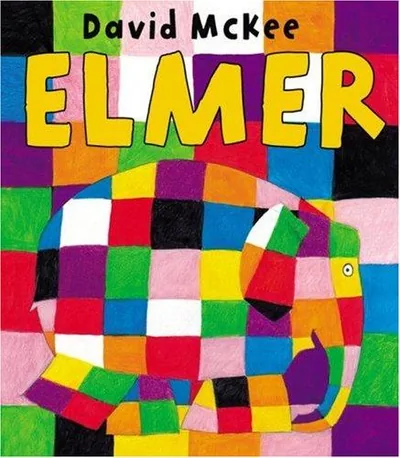
Elmer David McKee
Why we chose it
Elmer is a patchwork elephant who makes everyone laugh, but he wishes he looked like the other elephants. When he covers himself in grey berry juice, the herd misses the real Elmer. A joyful classic about being yourself.
Try asking: “Why did the other elephants miss the real Elmer?”
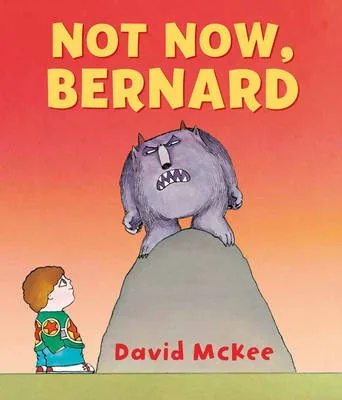
Not Now, Bernard David McKee
Why we chose it
Bernard tries to tell his busy parents there's a monster in the garden, but all they say is 'Not now, Bernard'. A darkly funny British classic that starts conversations about feeling unheard, and makes grown-ups think too.
Try asking: “How do you think Bernard felt when his parents said 'not now'?”
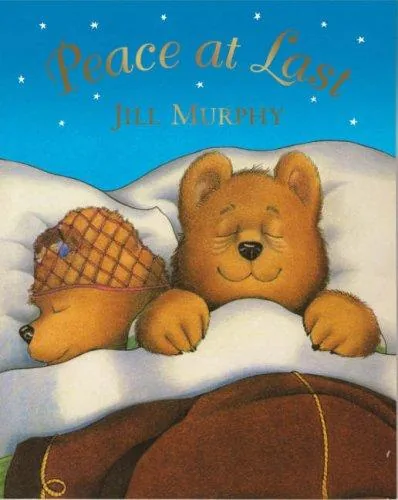
Peace at Last Jill Murphy
Why we chose it
Mr Bear can't sleep: Mrs Bear snores, Baby Bear plays aeroplanes, the clock ticks, and every room has a new noise. A funny, repetitive classic about frustration, persistence and finally finding peace, perfect for joining in at bedtime.
Try asking: “What kept Mr Bear awake?”
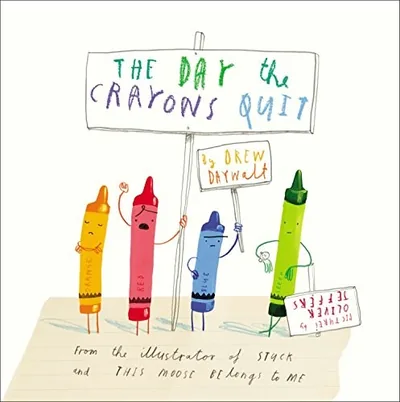
The Day the Crayons Quit Drew Daywalt and Oliver Jeffers
Why we chose it
Duncan opens his crayon box to find letters from his crayons: Red is overworked, Beige feels ignored and Yellow and Orange aren't speaking. A very funny book about listening to how others feel, and finding a fair solution.
Try asking: “Which crayon do you think had the best reason to be cross?”
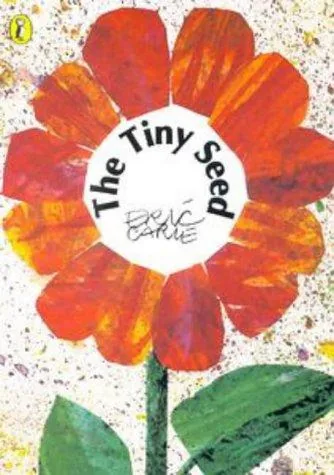
The Tiny Seed Eric Carle
Why we chose it
A tiny seed travels with bigger seeds through a whole year of wind, sun, snow and hungry birds. Many seeds don't make it, but the smallest one keeps going and grows into a giant flower. A gentle way to talk about patience, being small, and how growing takes time.
Try asking: “The seed was the smallest of all. How did it keep going?”
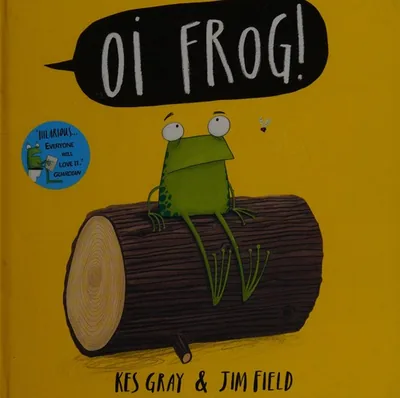
Oi Frog! Kes Gray and Jim Field
Why we chose it
Cat insists that every animal sits on something that rhymes: cats on mats, hares on chairs, mules on stools. Frog really doesn't want to sit on a log. A very funny rhyming book that also opens up talk about rules, fairness and saying when you disagree.
Try asking: “Frog didn't want to sit on a log. Was the rule fair?”
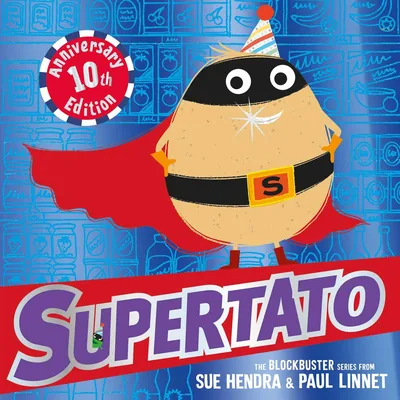
Supertato Sue Hendra and Paul Linnet
Why we chose it
When the supermarket closes, the Evil Pea escapes from the freezer and causes chaos among the vegetables. Supertato, a superhero potato, sets out to save the day. A silly, much-loved story that opens up talk about being brave and helping friends.
Try asking: “What made Supertato a hero?”
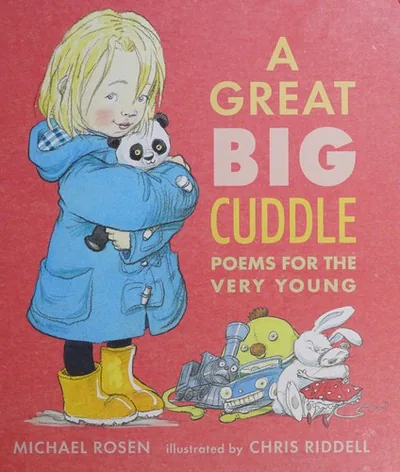
A Great Big Cuddle Michael Rosen and Chris Riddell
Why we chose it
An award-winning collection of short, bouncy poems for very young children, about toys, animals, made-up creatures and big feelings. Made to be read aloud, with plenty of chances for children to join in.
Try asking: “Which poem made you laugh the most? Shall we read it again?”
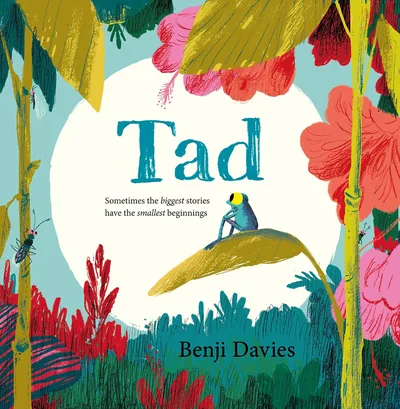
Tad Benji Davies
Why we chose it
Tad is the smallest tadpole in a big pond, and one by one her brothers and sisters disappear. Is Big Blub getting them, or are they going somewhere better? A big story about a tiny tadpole, growing up, and taking a leap into something new.
Try asking: “Where do you think Tad's brothers and sisters went?”
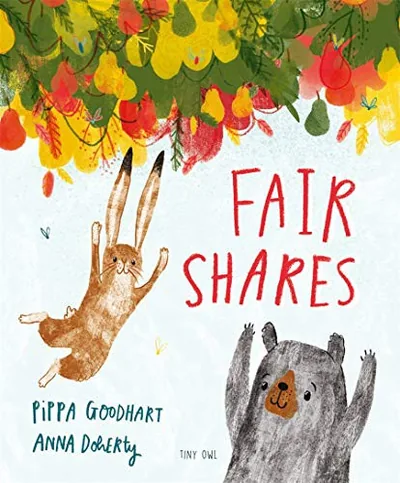
Fair Shares Pippa Goodhart and Anna Doherty
Why we chose it
Bear and Hare want to reach some juicy pears. Hare finds three chairs, but is it fair that Hare has two and Bear only one? When they each get the same, Hare still can't reach. A little friend shows them that fair doesn't always mean everyone getting the same thing.
Try asking: “Was it fair for Hare to have more chairs? Why?”
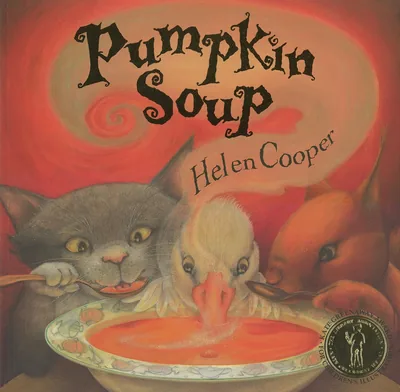
Pumpkin Soup Helen Cooper
Why we chose it
Cat slices, Squirrel stirs and Duck adds the salt, every single day. But when Duck wants a turn at stirring, there's a big squabble and Duck walks out. A warm, rhythmic classic about sharing, missing a friend, and making up.
Try asking: “Why did Duck want to stir the soup?”
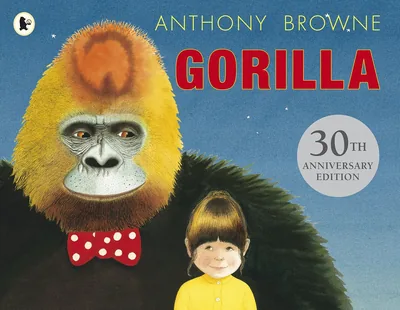
Gorilla Anthony Browne
Why we chose it
Hannah loves gorillas but has never seen one. Her dad is too busy to take her to the zoo, or anything else. On the night before her birthday, her toy gorilla becomes real and takes her on a magical night out. A Kate Greenaway Medal-winning classic.
Try asking: “Who took Hannah to the zoo?”
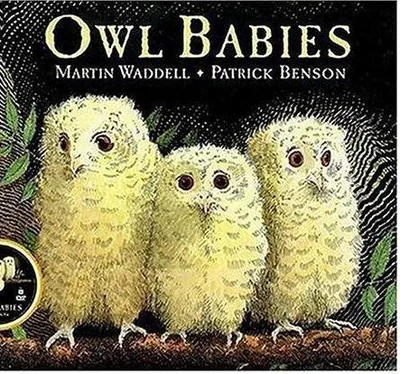
Owl Babies Martin Waddell and Patrick Benson
Why we chose it
Three baby owls wake up to find their mother gone. Sarah and Percy try to be brave, while little Bill just wants his mummy, until she swoops home. A reassuring classic for children starting nursery or finding goodbyes hard.
Try asking: “How did the owl babies feel when their mother came home?”
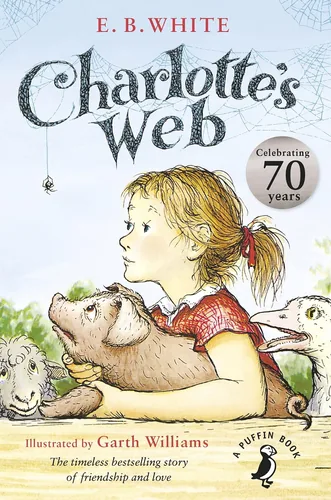
Charlotte's Web E. B. White and Garth Williams
Why we chose it
Wilbur the pig is saved from slaughter by a little girl called Fern, and then by Charlotte, a clever spider who writes words in her web to save him. A beloved classic about friendship, loyalty and the cycle of life.
Try asking: “How did Charlotte save Wilbur?”
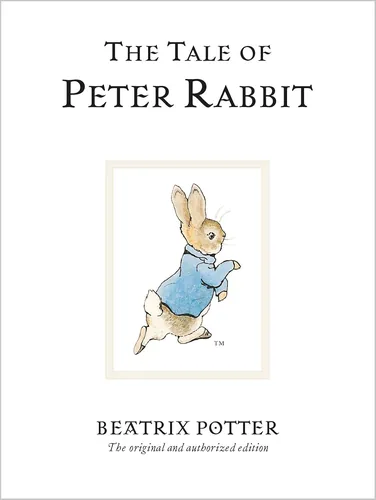
The Tale of Peter Rabbit Beatrix Potter
Why we chose it
Peter Rabbit's mother tells him not to go into Mr McGregor's garden. But Peter is naughty and squeezes under the gate to eat the vegetables, until Mr McGregor spots him. Beatrix Potter's classic tale.
Try asking: “Why did Peter go into the garden?”
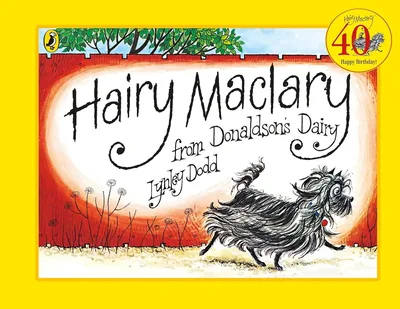
Hairy Maclary from Donaldson's Dairy Lynley Dodd
Why we chose it
Hairy Maclary goes for a walk in town, and he's joined by friends of all shapes and sizes: Bottomley Potts covered in spots, Schnitzel von Krumm with a very low tum... until they meet Scarface Claw! A rhyming classic for over 40 years.
Try asking: “Who scared all the dogs?”
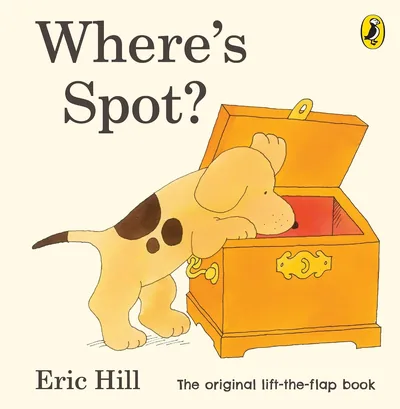
Where's Spot? Eric Hill
Why we chose it
It's dinner time, but Spot is missing! Lift the flaps to look behind the door, inside the clock and under the stairs: who's hiding there? One of the very first lift-the-flap books, loved by little ones for over forty years.
Try asking: “Where was Spot hiding?”
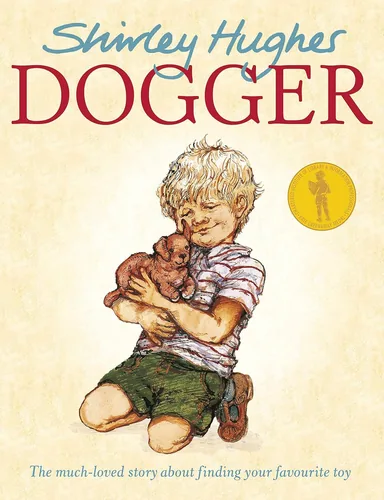
Dogger Shirley Hughes
Why we chose it
Dave takes his toy Dogger everywhere, until Dogger goes missing. When Dave spots him on a stall at the school fair, someone else buys him first. Then Dave's big sister Bella does something very kind. A much-loved classic about loss, love and kindness.
Try asking: “What did Bella do to help Dave?”
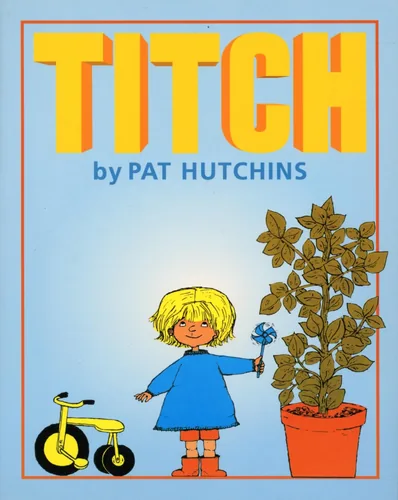
Titch Pat Hutchins
Why we chose it
Titch is the smallest in his family. Pete and Mary have bigger bikes, kites that fly high and instruments that make bigger noises. But when Titch plants a tiny seed, everyone finds out that starting small is just the beginning of growing. A classic for every littlest sibling.
Try asking: “What did Titch have that grew the biggest?”
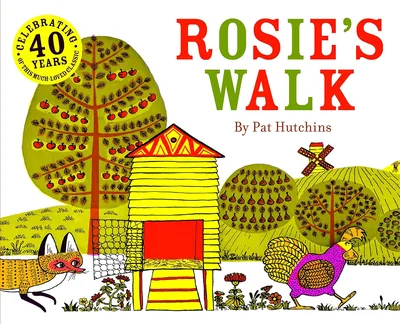
Rosie's Walk Pat Hutchins
Why we chose it
Rosie the hen goes for a walk around the farmyard, across, around, over, past and through, completely unaware of the hungry fox following her, as one disaster after another befalls him. A near-wordless classic that children love for the jokes only they can see.
Try asking: “What happened to the fox each time?”
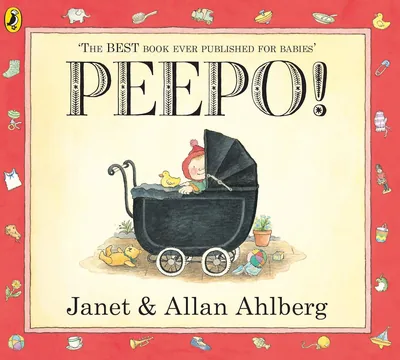
Peepo! Janet and Allan Ahlberg
Why we chose it
Here's a little baby, one, two, three, standing in his cot. What does he see? Peep through the holes to see the baby's busy day with his family. A modern classic for babies and toddlers, full of rhythm and details to spot.
Try asking: “What can the baby see through the hole?”
Growing Wise offers educational ideas for parents and carers. It is not a substitute for professional medical, developmental or mental-health advice. As an Amazon Associate, Growing Wise earns from qualifying purchases.