Neurodiversity & disability books for children
Every child experiences the world differently. Books featuring autistic and disabled children, children with ADHD, sensory differences, and children who communicate in different ways.
Looking for something specific? See our books about neurodiversity, disability and different ways of communicating, and these guides:
- How to talk to children about disability without pity
- Not every child communicates with spoken words
- When the world feels too loud
Neurodiversity and sensory differences 6 books
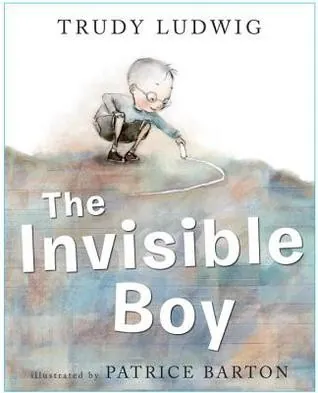
The Invisible Boy Trudy Ludwig
Why we chose it
Starts a conversation about noticing a child who is left out, and the small actions that can help someone feel included.
Try asking: “How could you tell if someone wanted to join in?”
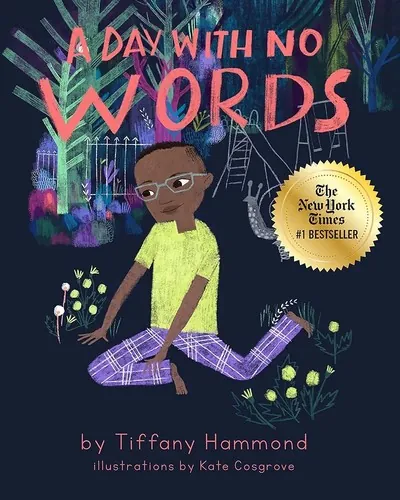
A Day With No Words Tiffany Hammond
Why we chose it
Shows that communication is still full and meaningful when it doesn't happen through spoken words. The child in the story uses a tablet to communicate.
Try asking: “How is this child telling other people what they want to say?”
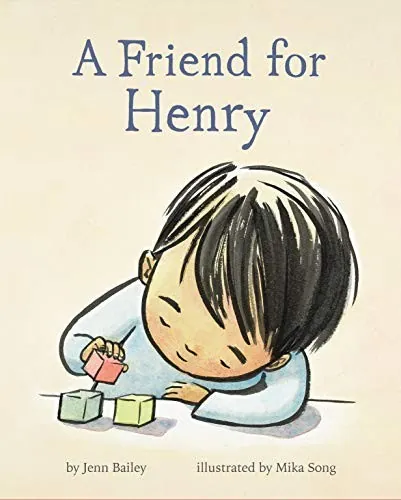
A Friend for Henry Jenn Bailey
Why we chose it
Henry wants a friend, but experiences the classroom and friendship differently to his classmates.
Try asking: “What makes someone feel like a good friend to Henry?”
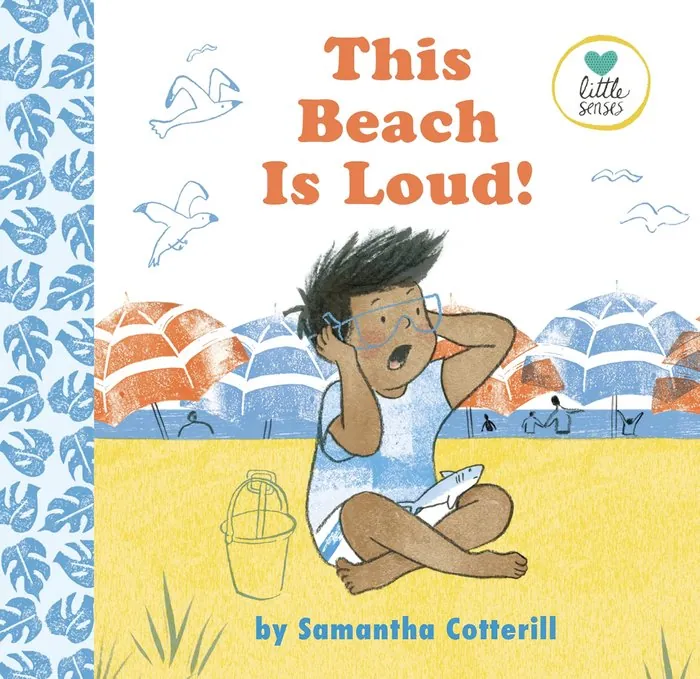
This Beach Is Loud! Samantha Cotterill
Why we chose it
A busy beach becomes overwhelming because of its sights, sounds and sensations, and shows a simple way through it.
Try asking: “What could make this place feel easier?”
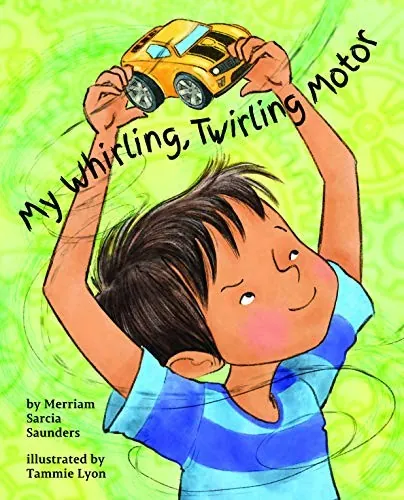
My Whirling Twirling Motor Merriam Sarcia Saunders
Why we chose it
Moves the conversation away from moralising about movement or impulsivity as "being naughty", and towards understanding.
Try asking: “What things is Charlie's fast-moving motor really good at?”
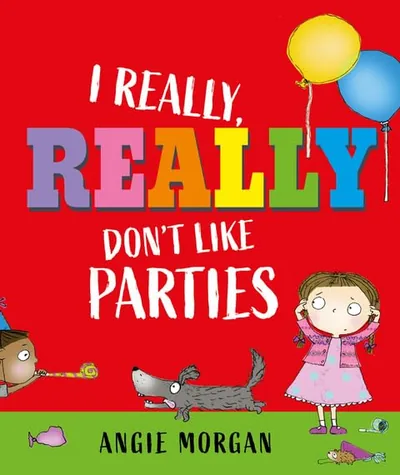
I Really, Really Don't Like Parties Angie Morgan
Why we chose it
Dora really, really doesn't like parties. They're too loud and too busy! Maybe she won't have to go if a gorilla steals her dress or a giant frog eats her shoe. But what if Dora found a quiet place at the party, and someone else who doesn't like noisy parties either? A reassuring story for quieter children.
Try asking: “What helped Dora enjoy the party?”
Disability and inclusion 7 books
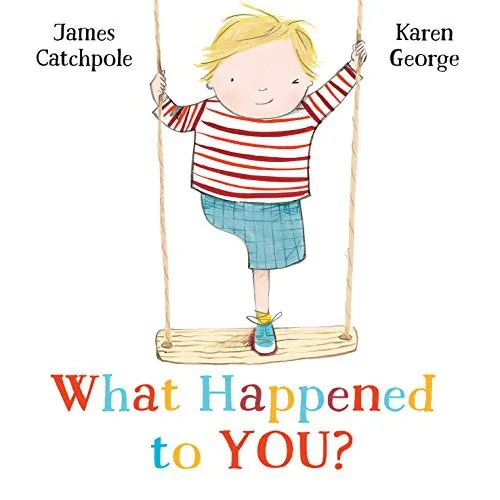
What Happened to You? James Catchpole
Why we chose it
Teaches that noticing disability is fine, but a disabled child doesn't owe everyone an explanation of their body.
Try asking: “What do you think Joe actually wanted the other children to do?”
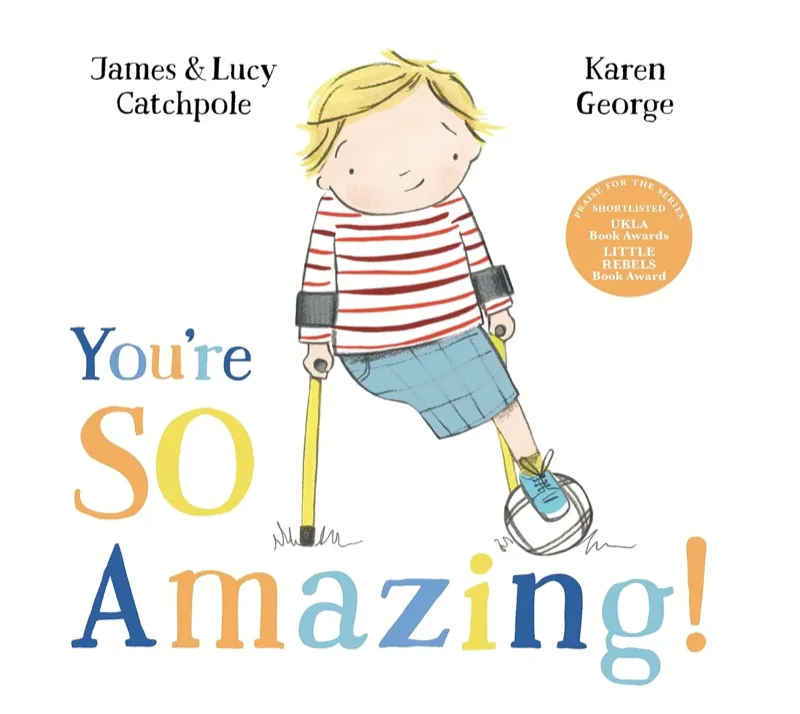
You're SO Amazing! James Catchpole and Lucy Catchpole
Why we chose it
Disabled children should get to do ordinary things without automatically being treated as extraordinary for doing them.
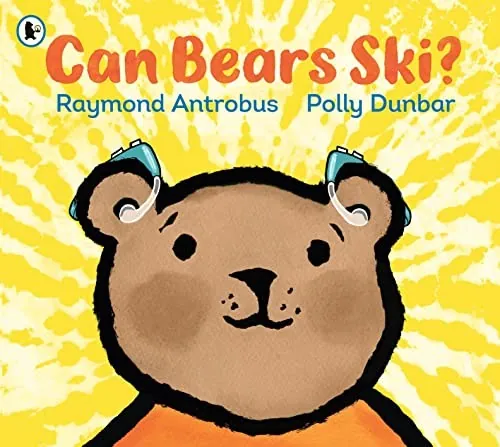
Can Bears Ski? Raymond Antrobus
Why we chose it
A child gradually understands he experiences sound differently, and begins using hearing aids.
Try asking: “What might help when someone can't hear everything that was said?”
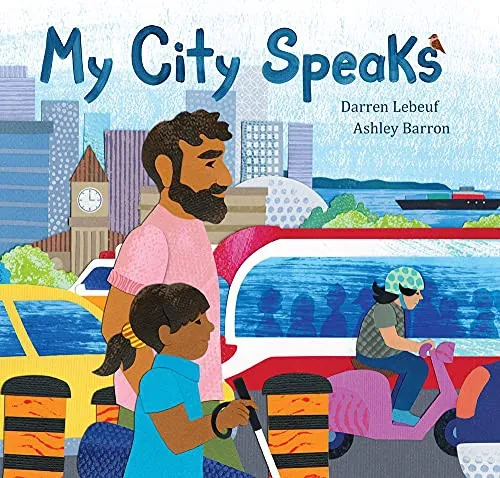
My City Speaks Darren Lebeuf
Why we chose it
A visually impaired child experiences her city through sound, smell, touch and movement.
Try asking: “What can you hear, smell or feel around you right now?”
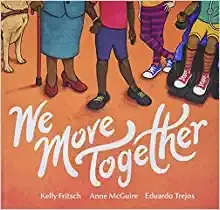
We Move Together Kelly Fritsch and Anne McGuire
Why we chose it
Shows a mixed-ability group navigating everyday environments and accessibility barriers together.
Try asking: “What could we change so everyone can join in?”
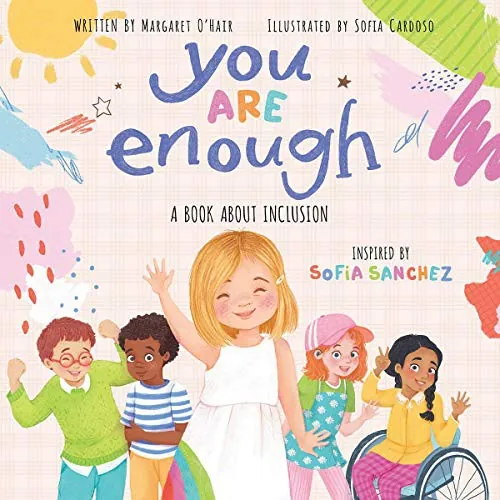
You Are Enough Margaret O'Hair and Sofia Sanchez
Why we chose it
A gentle option for conversations about belonging, confidence and difference.
Try asking: “What is something that makes you, you?”
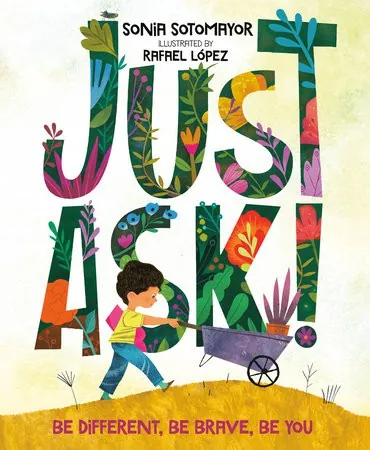
Just Ask! Sonia Sotomayor
Why we chose it
Helps children talk about differences without turning them into something frightening or shameful.
Try asking: “What is a kind way to ask someone about something you're curious about?”
Growing Wise offers educational ideas for parents and carers. It is not a substitute for professional medical, developmental or mental-health advice. As an Amazon Associate, Growing Wise earns from qualifying purchases.