The Day the Crayons Quit: questions to ask and activities to try
Duncan's crayons have had enough, and they've written to tell him. The Day the Crayons Quit is a funny way to talk about how other people feel, and about speaking up.
What age is it for? The Day the Crayons Quit is best for ages 3–7. Good for: Seeing things from someone else's point of view.
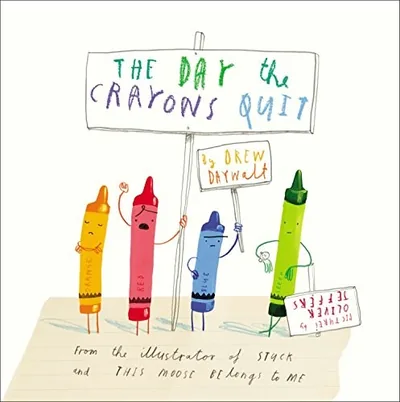
The Day the Crayons Quit (Drew Daywalt and Oliver Jeffers)
- Age
- 3-7
- Best for
- Seeing things from someone else's point of view
Read the letters in different voices: it's half the fun. Afterwards, ask which crayon your child agrees with, and why.
Why I like this one
This is one of my favourite books for seeing things from someone else's point of view, and it's very funny with it. Each crayon has a perfectly reasonable complaint once you hear their side.
It's a little wordier than most picture books, so it suits slightly older children or a few pages at a time. Afterwards, try writing a letter from a toy or an object in your house. It's surprisingly good practice at imagining how someone else might feel.
Apoorva, Growing Wise
What it helps with
- Seeing things from someone else's point of view
- Speaking up when something feels unfair
- Finding a solution that works for everyone
- Using words, not tantrums, to share a complaint
Comprehension and discussion questions
Pick two or three, not all of them. “I don’t know” is a fine answer, and you can always come back to it another day.
- “Why was Red crayon so tired?”
- “Why were Yellow and Orange arguing?”
- “Which crayon did you feel sorry for?”
- “How did Duncan solve the problem?”
- “Is there something you’d like to complain about, nicely?”
- “How could you tell someone you feel left out?”
5-minute activities to try together
Letter from a toy
Choose a toy and write or draw a letter from it to your child. What would it say about how it's treated?
Every crayon picture
Draw a picture together that uses every crayon in the box, so nobody feels left out.
Free printables: The Day the Crayons Quit worksheet and activity pack
This book’s one-page worksheet with the questions and activities above, plus our activity pack: printable scenario cards, three 5-minute activities and a “What could I try?” page for practising everyday skills together. Enter your email and download them straight away.
Free. We’ll only email you if you tick the box.
If your child liked this, try
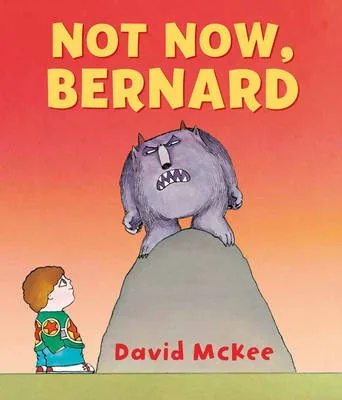
Not Now, Bernard (David McKee)
- Best for
- Feeling ignored, and talking about listening to each other
- Age
- 3-7
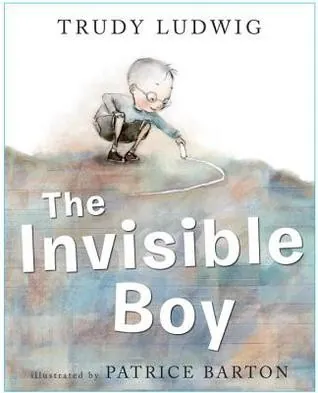
The Invisible Boy (Trudy Ludwig)
- Best for
- Friendship, exclusion, quieter children and inclusion
- Age
- 5-8
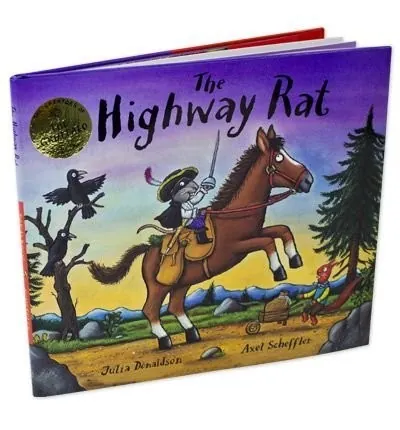
The Highway Rat (Julia Donaldson and Axel Scheffler)
- Best for
- Taking what isn't yours, greed and learning to share
- Age
- 3-6
Search all our books by what's happening →
By the Growing Wise team · Last reviewed: 6 October 2026
Growing Wise offers educational ideas for parents and carers. It is not a substitute for professional medical, developmental or mental-health advice. As an Amazon Associate, Growing Wise earns from qualifying purchases.