Tiddler: questions to ask and activities to try
Tiddler explains why he's late with bigger and bigger stories, until one day no one believes him. A light, funny way to talk about the difference between imagining and telling the truth.
What age is it for? Tiddler is best for ages 3–6. Good for: Tall tales, telling the truth, and imagination.
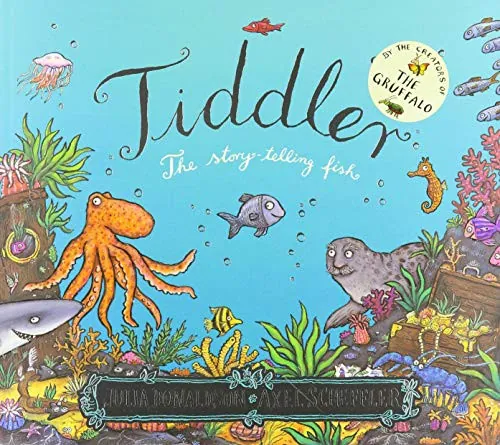
Tiddler (Julia Donaldson and Axel Scheffler)
- Age
- 3-6
- Best for
- Tall tales, telling the truth, and imagination
Imagination is something to celebrate, so don't make this a book about lying. Ask when a made-up story is fun and when it could cause a problem, and enjoy Tiddler's stories together.
Why I like this one
Tiddler is a gentle way into the difference between telling a story and telling a fib. Children love his tall tales, and so do I, which is exactly why it's useful. Imagination isn't the problem here; being believed when it matters is.
I'd avoid turning it into a lecture about lying. Instead, try making up a Tiddler-style excuse together, as silly as you like, then ask, “How would anyone know when Tiddler was telling the truth?”
Apoorva, Growing Wise
What it helps with
- Telling the truth
- Imagination and storytelling
- When made-up stories cause trouble
- Being trusted
Comprehension and discussion questions
Pick two or three, not all of them. “I don’t know” is a fine answer, and you can always come back to it another day.
- “When is a made-up story fun, and when could it cause a problem?”
- “Why did Tiddler tell such big stories?”
- “What happened when Tiddler really was lost?”
- “How did his story help him get home?”
- “Have you ever told a story that wasn't true?”
- “What makes someone trust you?”
5-minute activities to try together
Silly story, true story
Take turns telling a silly made-up story, then a true one about today.
Story chain
Take turns adding one sentence to a made-up story, and agree at the start that it's pretend.
Free printables: Tiddler worksheet and activity pack
This book’s one-page worksheet with the questions and activities above, plus our activity pack: printable scenario cards, three 5-minute activities and a “What could I try?” page for practising everyday skills together. Enter your email and download them straight away.
Free. We’ll only email you if you tick the box.
If your child liked this, try
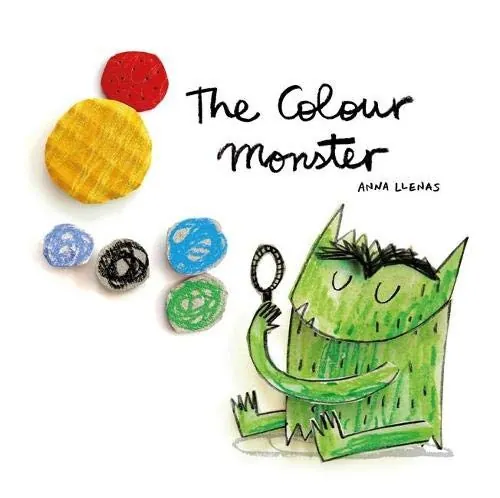
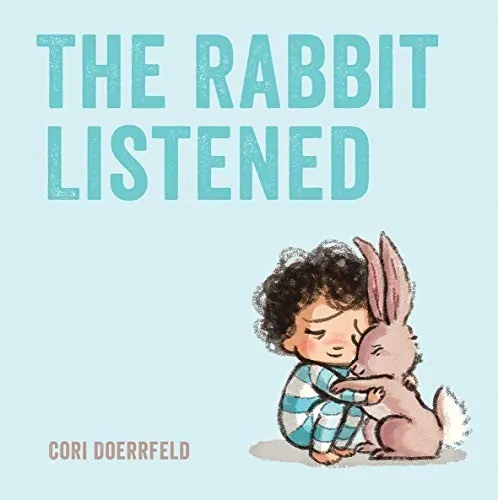
The Rabbit Listened (Cori Doerrfeld)
- Best for
- Sitting with difficult feelings
- Age
- 4-8
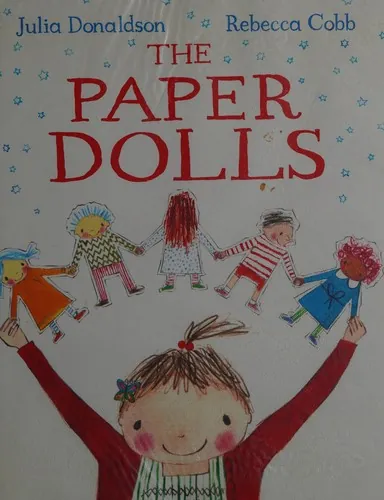
The Paper Dolls (Julia Donaldson and Rebecca Cobb)
- Best for
- Loss, grief and holding on to happy memories
- Age
- 3-6
Search all our books by what's happening →
By the Growing Wise team · Last reviewed: 1 October 2026
Growing Wise offers educational ideas for parents and carers. It is not a substitute for professional medical, developmental or mental-health advice. As an Amazon Associate, Growing Wise earns from qualifying purchases.