The Tiny Seed: questions to ask and activities to try
One tiny seed, a long journey through the seasons, and a flower taller than the houses. The Tiny Seed is a gentle way to talk about patience, being small, and keeping going.
What age is it for? The Tiny Seed is best for ages 3–7. Good for: Patience, feeling small, and keeping going.
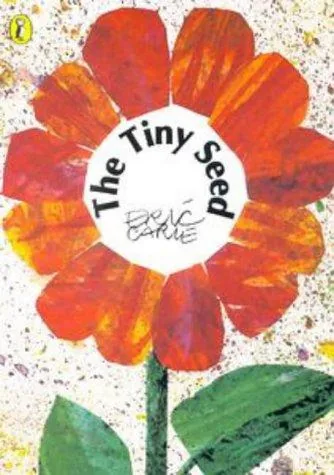
The Tiny Seed (Eric Carle)
- Age
- 3-7
- Best for
- Patience, feeling small, and keeping going
Read it slowly and follow the tiny seed on each page. Pause when other seeds fall away and ask how the tiny seed might feel. It works well alongside planting something real, so children can see for themselves that growing takes time.
Why I like this one
The Tiny Seed is a quieter book than Eric Carle's famous ones, and I think that's its strength. Lots of the seeds don't make it, and the book doesn't pretend otherwise, but the smallest one keeps going.
It's a nice one for a child who feels small or slow compared with others. I'd plant a seed together afterwards and check on it each week. Waiting for something real to grow teaches patience better than any explanation I could give.
Apoorva, Growing Wise
What it helps with
- Waiting for something that takes time
- Feeling small next to bigger children
- Keeping going when things are hard
- Seasons and how plants grow, for curious little ones
Comprehension and discussion questions
Pick two or three, not all of them. “I don’t know” is a fine answer, and you can always come back to it another day.
- “Where did the tiny seed travel?”
- “What happened to the other seeds?”
- “How do you think the tiny seed felt, being the smallest?”
- “What did the tiny seed need to grow?”
- “What is something that took you a long time to learn?”
- “What would you like to grow, like the seed?”
5-minute activities to try together
Seed diary
Plant a quick-growing seed like a bean or cress. Each day, draw or say one thing that has changed, and talk about how waiting feels.
Little but brave
Talk about a time your child felt small. Then list three things they can do now that they couldn't do last year.
Free printables: The Tiny Seed worksheet and activity pack
This book’s one-page worksheet with the questions and activities above, plus our activity pack: printable scenario cards, three 5-minute activities and a “What could I try?” page for practising everyday skills together. Enter your email and download them straight away.
Free. We’ll only email you if you tick the box.
If your child liked this, try
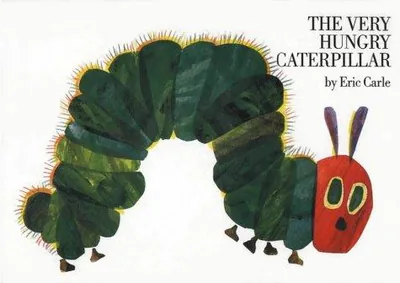
The Very Hungry Caterpillar (Eric Carle)
- Best for
- Growing and changing, and waiting for something good
- Age
- 2-5
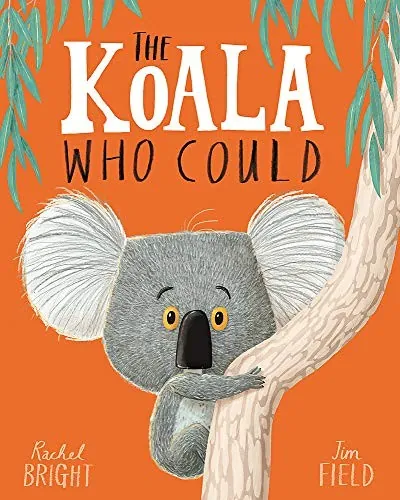
The Koala Who Could (Rachel Bright and Jim Field)
- Best for
- Handling change and unfamiliar situations
- Age
- 3+
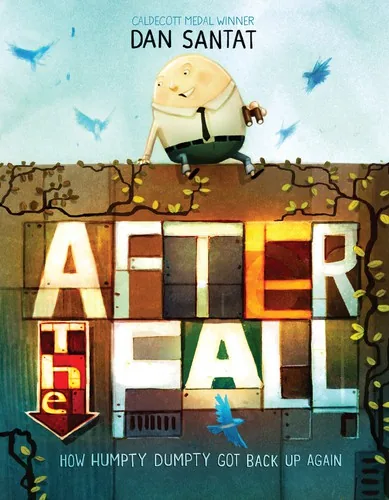
After the Fall (Dan Santat)
- Best for
- Children who are scared to try again after something went wrong
- Age
- 4-8
Search all our books by what's happening →
By the Growing Wise team · Last reviewed: 10 October 2026
Growing Wise offers educational ideas for parents and carers. It is not a substitute for professional medical, developmental or mental-health advice. As an Amazon Associate, Growing Wise earns from qualifying purchases.