Best Books for Children Who Find Losing Hard
If losing a board game regularly ends in tears, shouting or giving up, stories can sometimes make the conversation easier.
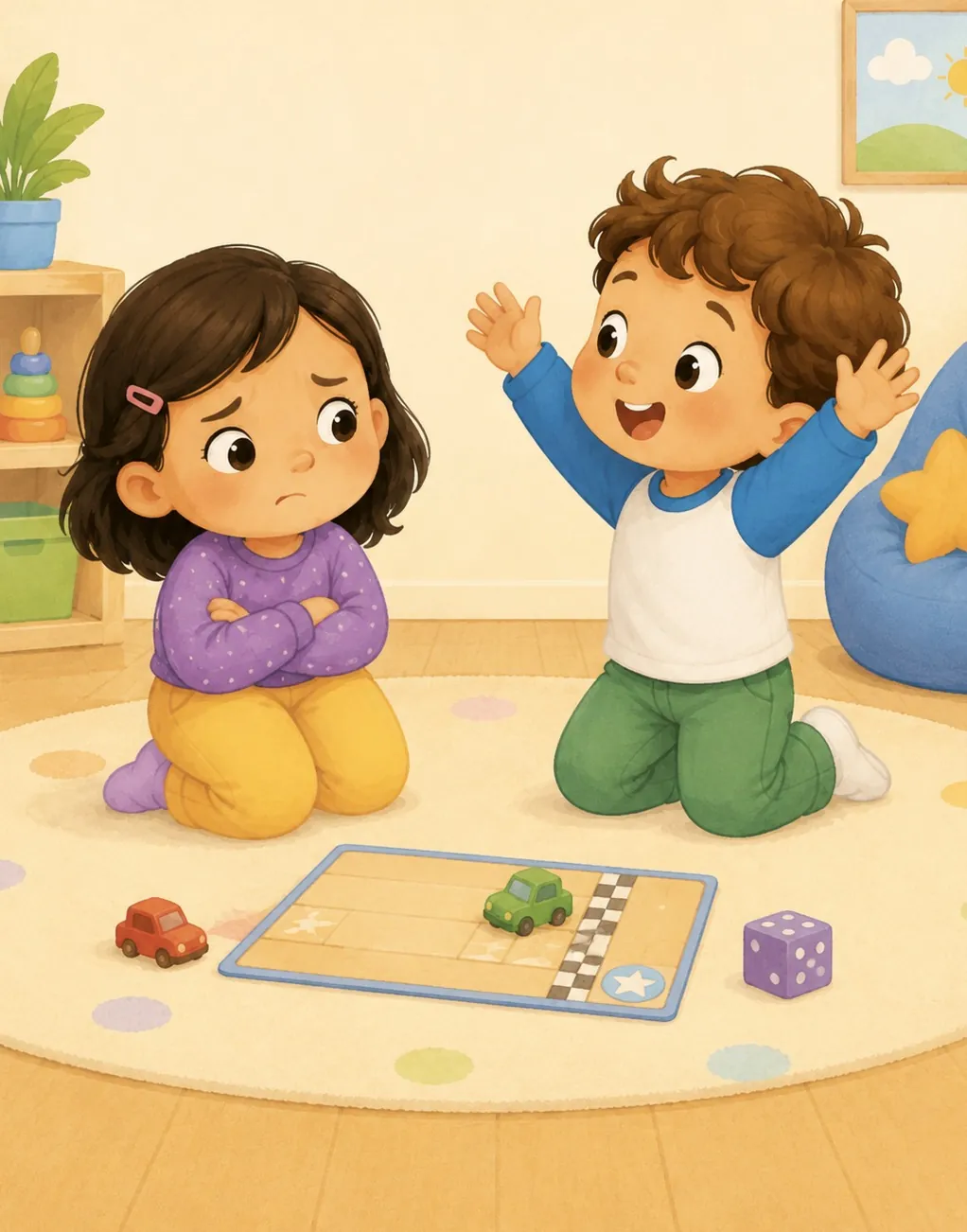
These are the books we think are particularly useful for talking about disappointment, frustration and trying again with children aged around 4–8. They work best read at a calm moment, not straight after a hard loss.
If it's the game itself that's the sticking point rather than the story, our cooperative games for children who hate losing take a different approach: everyone wins or loses together.
Quick picks
Compare the options
| Resource | Best for | Age | Format |
|---|---|---|---|
| The Most Magnificent Thing | Frustration, persistence and trying again | 4–8 | Picture book |
| The Girl Who Never Made Mistakes | Fear of mistakes and perfectionism | 5–8 | Picture book |
| Little Decision Makers | Practising the "stop, think, choose" pause | 4–8 | Activity workbook |
Our recommendations
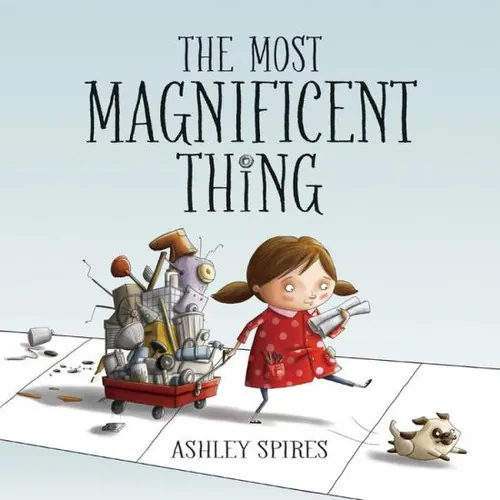
If losing turns into shouting, tears or a flipped board
The Most Magnificent Thing (Ashley Spires)
- Best for
- Frustration, persistence and trying again
- Age
- 4–8
- Why we chose it
- A child has an idea, struggles again and again to make it work, gets very frustrated, steps away for a while, and comes back to it. It works particularly well for children who become frustrated when something doesn't work immediately.
- Try asking
- "What changed when she took a break?"
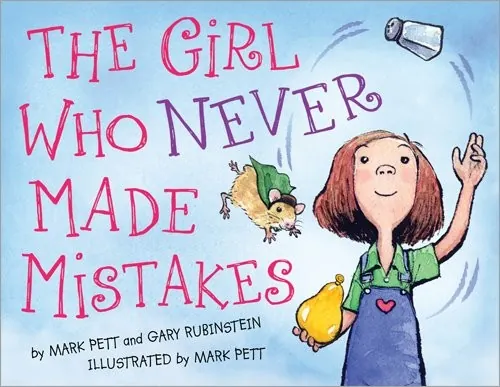
If your child is too scared of getting it wrong to even try
The Girl Who Never Made Mistakes (Mark Pett and Gary Rubinstein)
- Best for
- Fear of mistakes and perfectionism
- Age
- 5–8
- Why we chose it
- Useful for talking about what happens when being afraid of a mistake starts getting in the way of trying or enjoying things.
- Try asking
- "What would you try if making a mistake was completely OK?"
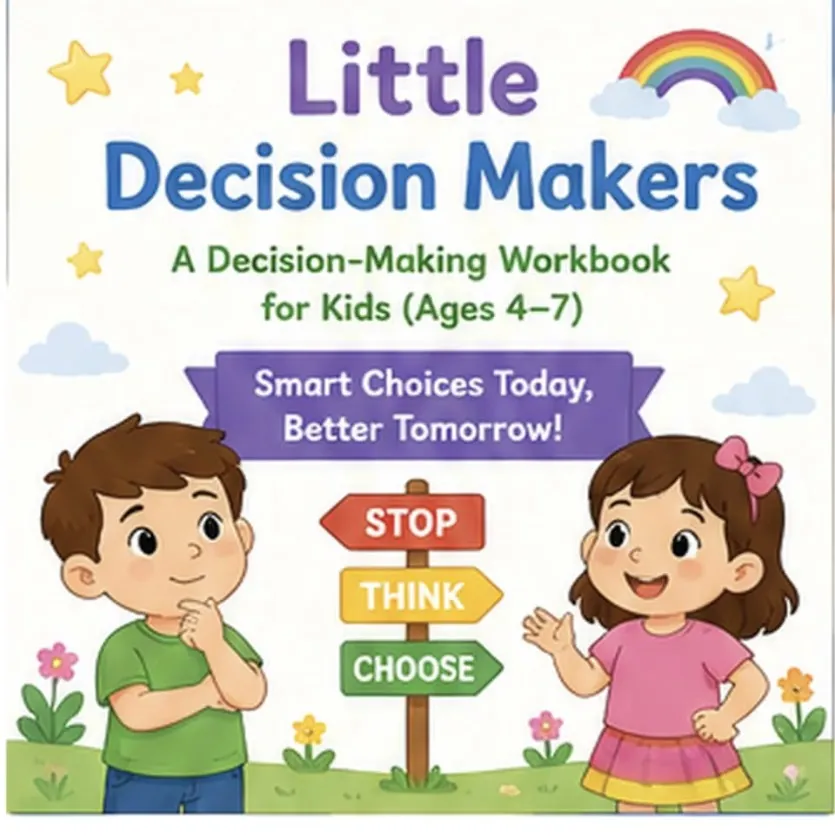
If you want a screen-free way to practise choosing, not just reading
Little Decision Makers (Medha Khare)
- Best for
- Practising the "stop, think, choose" pause away from a screen
- Age
- 4–8
- Why we chose it
- This is a Growing Wise product: a pencil-and-paper companion to the free Growing Wise game, giving children everyday situations to think through at their own pace.
- Try asking
- "What would you choose to do first?"
This is a Growing Wise product, not an independent pick: we're the ones who made it.
Want to practise this together?
Books and workbooks work well alongside a short, calm activity. Your child can practise a losing scenario in our free 5-minute game, or read our full guide to helping a child who finds losing really hard.
Is something else going on?
Free pack: when losing ends in tears
Includes a “Losing a game” scenario card, the Pause–Think–Choose activity and 12 calm phrases for when a game goes wrong. Printable, for ages 4–7. Download it straight away.
Free. We’ll email you now and then with new activities. Unsubscribe anytime.
By the Growing Wise team · Last reviewed: 8 September 2026
Growing Wise offers educational ideas for parents and carers. It is not a substitute for professional medical, developmental or mental-health advice.