Cooperative games for children who find losing really hard
Competitive games are still useful. But sometimes working towards one shared result gives a child room to practise turn-taking and asking for help, without anyone directly beating anyone else.
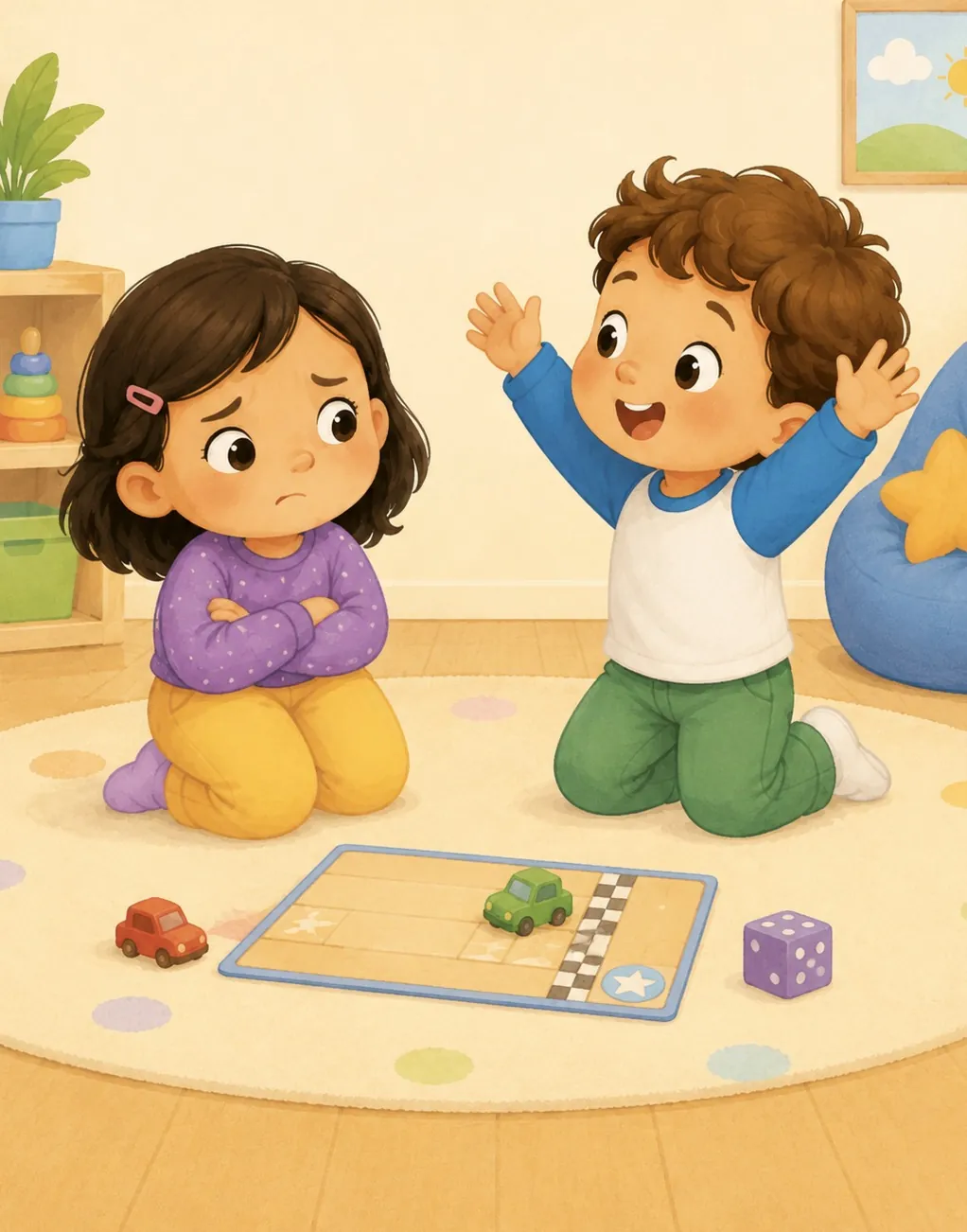
Cooperative games don't solve losing, and your child will still need to practise it elsewhere. What they do offer is a different kind of play: everyone wins or loses together, so there's no single moment where your child is the one who was beaten. That can be a genuinely useful, lower-pressure way to build turn-taking, patience and asking for help.
Why try a cooperative game
In a cooperative game, the players are on the same side against the game itself, a rising sun, an ogre, a raven coming for the fruit. Nobody "beats" anybody. If the group loses, everyone loses together, and if the group wins, everyone wins together.
This doesn't replace competitive play, and we wouldn't want it to; learning to lose to another person is its own real skill, covered in our losing & disappointment guide. Cooperative games are a different, complementary kind of practice, useful especially on days when competitive play feels like too much.
Quick picks
Compare the games
| Game | Best for | Age | Type |
|---|---|---|---|
| My First Castle Panic | Cooperative play, no reading required | 4+ | Cooperative, matching & turn-taking |
| Hoot Owl Hoot | Cooperative colour-matching for younger children | 4+ | Cooperative, colour-matching |
| Count Your Chickens | Very young children practising a shared goal | 3+ | Cooperative, counting |
| Race to the Treasure! | Slightly older children who want more strategy | 5+ | Cooperative, light strategy |
| HABA Orchard | The youngest children, or a very short first game | 3+ | Cooperative, simple rules |
Games worth having on hand
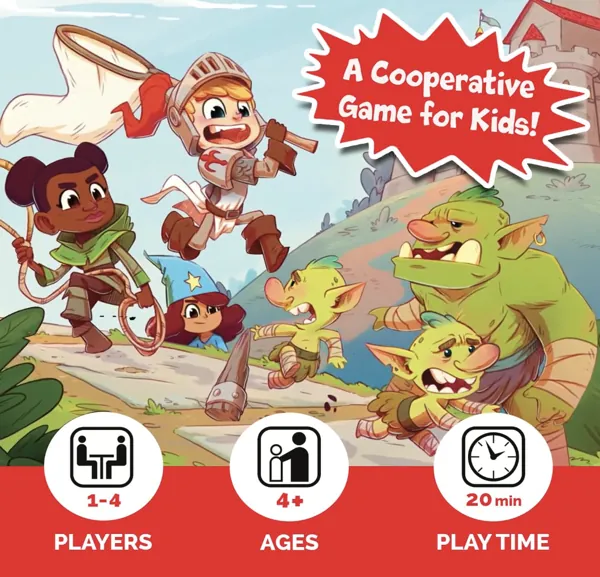
My First Castle Panic (Fireside Games)
- Best for
- Cooperative play with no reading required
- Age
- 4+
- Players
- 1-4
- Play time
- ~20 minutes
- Why it fits Growing Wise
- Fully cooperative, no reading needed, and built around matching, turn-taking and asking for help rather than beating another player.
- What it practises
- Turn-taking, matching, asking for help, problem solving
- Try asking after the game
- "What did someone else do that helped the team?"
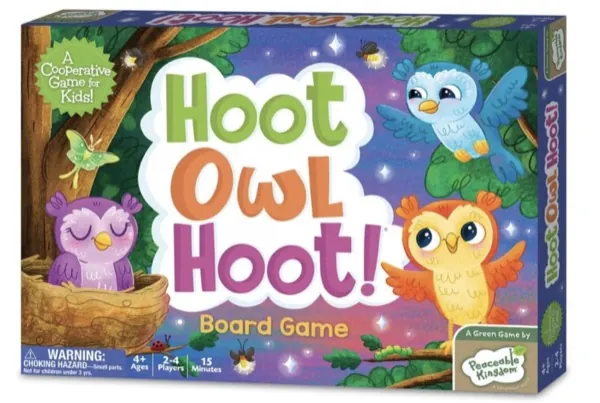
Hoot Owl Hoot (Peaceable Kingdom)
- Best for
- Cooperative colour-matching for younger children
- Age
- 4+
- Players
- 2-4
- Play time
- ~15 minutes
- Why it fits Growing Wise
- Everyone wins or loses together, so there's no moment where one child beats another.
- What it practises
- Colour matching, turn-taking, working towards a shared goal
- Try asking after the game
- "What helped us get all the owls home in time?"
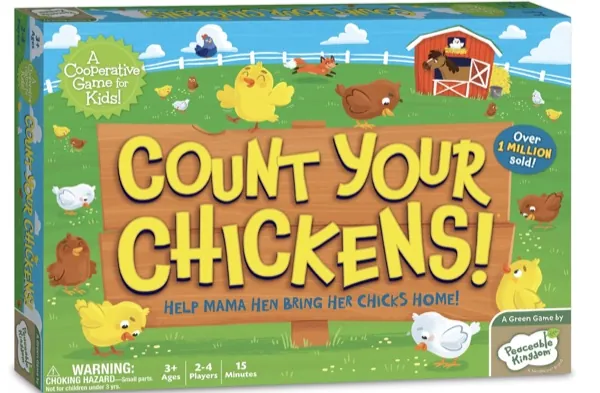
Count Your Chickens (Peaceable Kingdom)
- Best for
- Very young children practising a shared goal
- Age
- 3+
- Players
- 2-4
- Play time
- ~15 minutes
- Why it fits Growing Wise
- A gentle, early cooperative game for children who aren't ready for competitive play yet.
- What it practises
- Counting, turn-taking, shared goals
- Try asking after the game
- "What could we try next time to help all the chicks get home?"
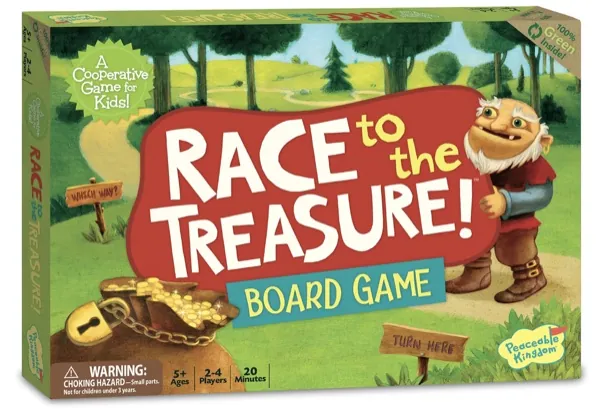
Race to the Treasure! (Peaceable Kingdom)
- Best for
- Slightly older children who want more strategy in cooperative play
- Age
- 5+
- Players
- 2-4
- Play time
- ~20 minutes
- Why it fits Growing Wise
- Adds path-building and light strategy on top of a fully cooperative structure.
- What it practises
- Planning, shared decision-making, cooperation
- Try asking after the game
- "What did we decide together to stay ahead of the ogre?"
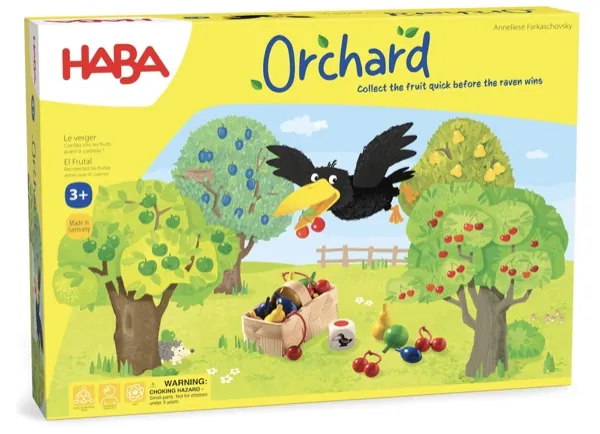
HABA Orchard (HABA)
- Best for
- The youngest children, or a very short first game
- Age
- 3+
- Players
- 1-4
- Play time
- ~10 minutes
- Why it fits Growing Wise
- Wooden pieces, extremely simple rules, and a genuinely shared outcome: everyone races the raven together.
- What it practises
- Turn-taking, matching, working together
- Try asking after the game
- "Did we get the fruit picked before the raven arrived?"
Try the Growing Wise 5-minute activity
By the Growing Wise team · Last reviewed: 5 September 2026
Growing Wise offers educational ideas for parents and carers. It is not a substitute for professional medical, developmental or mental-health advice.