Sally Sore Loser: questions to ask and activities to try
Sally wants to win everything, and when she doesn't, everyone knows about it. Sally Sore Loser is a practical way to talk about winning, losing and still being someone people want to play with.
What age is it for? Sally Sore Loser is best for ages 4–8. Good for: Children who get upset, cheat or quit when they lose a game.
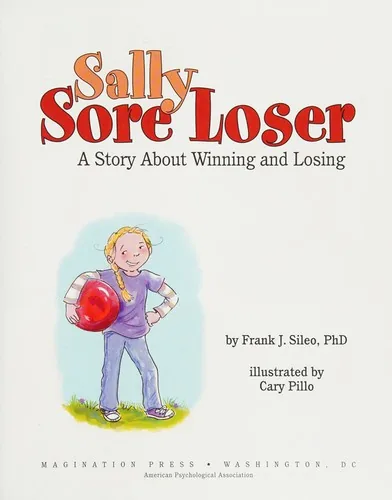
Sally Sore Loser (Frank J. Sileo and Cary Pillo)
- Age
- 4-8
- Best for
- Children who get upset, cheat or quit when they lose a game
Read it at a calm time, not straight after a lost game. Pause when Sally's friends stop playing with her and ask what your child notices. The book works best as a rehearsal for next time, not a telling-off for last time.
What it helps with
- Getting upset, cheating or quitting when losing a game
- Seeing how a sore loser makes friends feel
- Learning what a good sport says and does
- Practising losing in a safe, low-stakes way
Comprehension and discussion questions
Pick two or three, not all of them. “I don’t know” is a fine answer, and you can always come back to it another day.
- “How did Sally feel when she lost?”
- “What did Sally do when she was losing? How did her friends feel?”
- “Why did her friends stop wanting to play?”
- “What could Sally say instead when she loses?”
- “How does it feel when someone is kind to you after you lose?”
- “What could you do next time a game doesn’t go your way?”
5-minute activities to try together
Good sport words
Choose two phrases together for the end of every game, like “Good game” and “Can we play again?”. Write them on a card and keep it in the games box.
Lose on purpose
Play a quick game where the grown-up loses first and models it out loud: “I'm disappointed, but that was fun.” Then swap so your child gets a turn to practise.
Free printables: Sally Sore Loser worksheet and activity pack
This book’s one-page worksheet with the questions and activities above, plus our activity pack: printable scenario cards, three 5-minute activities and a “What could I try?” page for practising everyday skills together. Enter your email and download them straight away.
Free. We’ll only email you if you tick the box.
If your child liked this, try
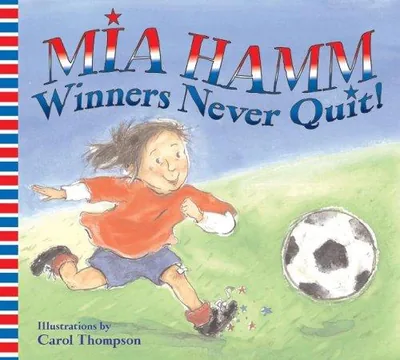
Winners Never Quit! (Mia Hamm and Carol Thompson)
- Best for
- Children who quit or storm off when they start losing
- Age
- 4-8
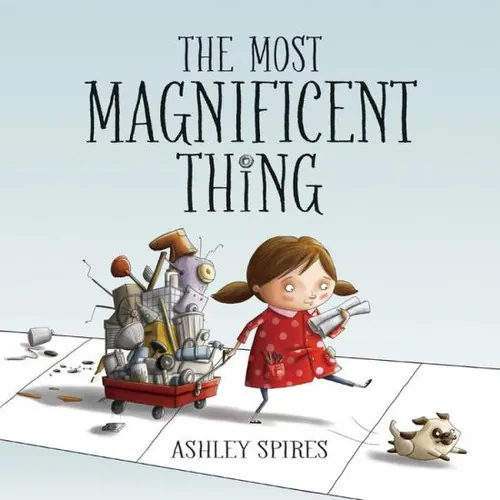
The Most Magnificent Thing (Ashley Spires)
- Best for
- Frustration, persistence, making mistakes and trying again
- Age
- 4-8
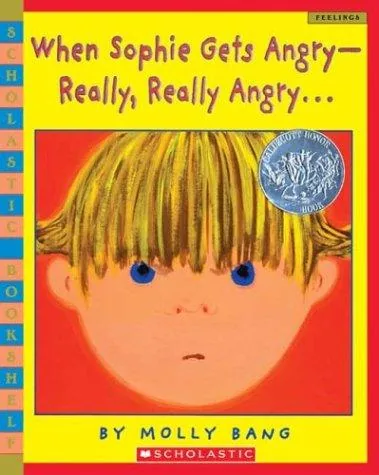
When Sophie Gets Angry—Really, Really Angry… (Molly Bang)
- Best for
- Explosive anger, and calming down afterwards
- Age
- 3-7
Search all our books by what's happening →
By the Growing Wise team · Last reviewed: 6 October 2026
Growing Wise offers educational ideas for parents and carers. It is not a substitute for professional medical, developmental or mental-health advice. As an Amazon Associate, Growing Wise earns from qualifying purchases.