Why does my child get so upset over tiny things?
The wrong cup, a broken biscuit or a tower falling down can produce a reaction that feels much bigger than the problem.
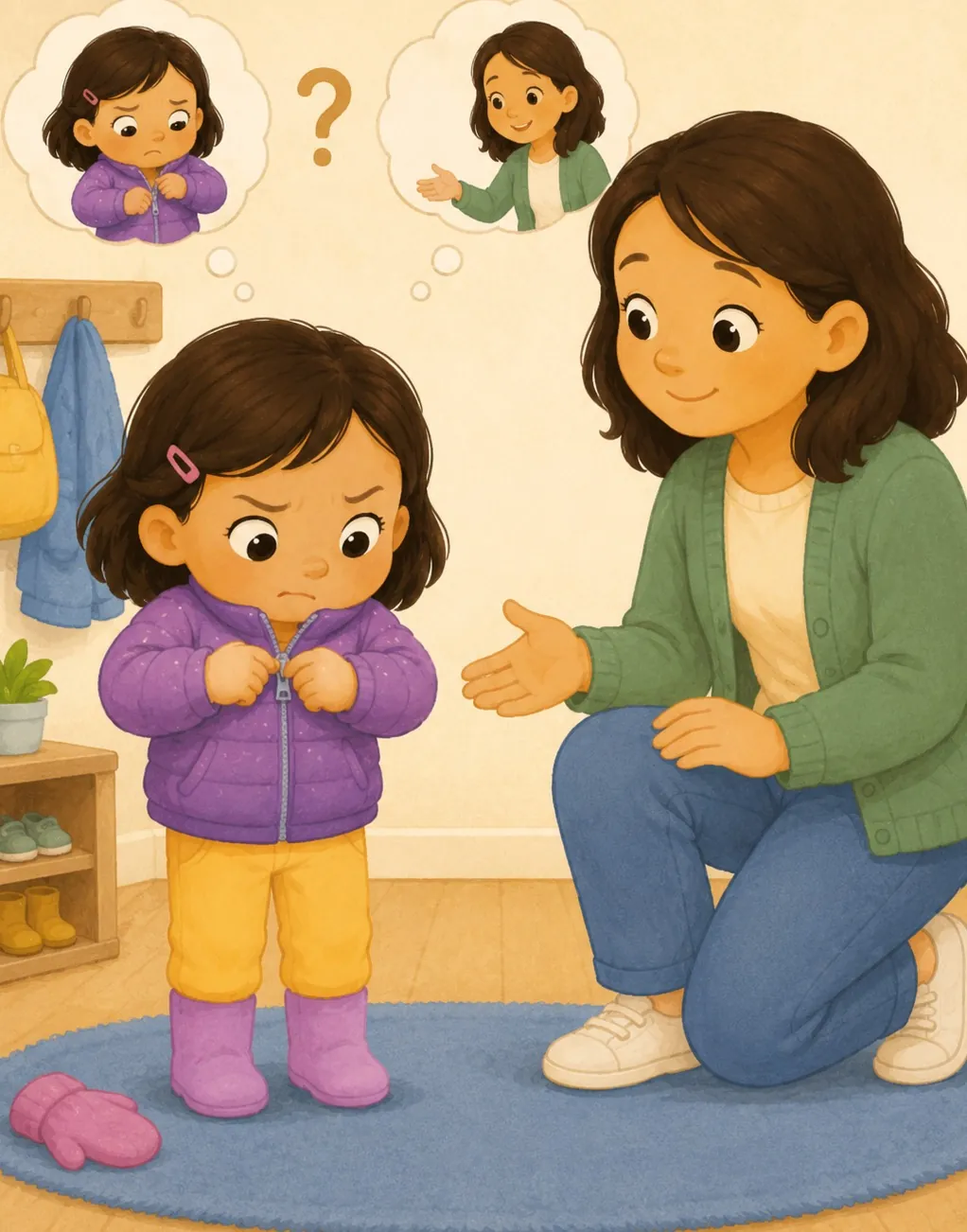
Big reactions to small problems are common between 4 and 7, because managing strong feelings is a skill children are still building. In the moment, help your child's body feel calmer before you try to solve anything. Afterwards, once everyone is relaxed, practise naming feelings and trying out different responses together.
What might be going on?
At this age, children are still learning how to notice a feeling, name it, and choose what to do next. That's several steps for a brain that's only had a few years of practice, and under pressure, it's easy to skip straight to the reaction.
So when a biscuit breaks or a tower topples, it usually isn't really about the biscuit or the tower. It's that the feeling arrived faster than your child's ability to manage it, and it has to go somewhere.
This isn't naughtiness, and it isn't manipulation. It's what an overwhelmed nervous system looks like in a small body, and it gets easier to handle with practice, not with punishment.
You might notice the same pattern in different situations: the wrong colour cup, a sock seam that feels wrong, a game that didn't go the way they pictured. The trigger changes, but underneath it's usually the same thing: a feeling that arrived before the skills to handle it did.
What to do in the moment
When a reaction is already big, logic tends to bounce straight off. The most useful thing you can do first is help your child's body settle. The talking can come later.
- Get down to their level and keep your own voice low and slow.
- Name what you see, out loud: "You're really upset."
- Offer comfort before explanations: a hand on the back, or a hug if they want one.
- Wait for the wave to pass before you problem-solve or explain anything.
Try saying: "You're really upset. What could help your body calm down first?"
What to practise when everyone is calm
Once the moment has properly passed, sometimes minutes later, sometimes the next day, you have a good opportunity to practise, not lecture.
Talk briefly about what happened. Name the feeling together. Ask what might help next time, rather than telling them what they should have done differently.
A picture book can help here too, giving you both a shared, slightly less personal way to talk about feelings in general.
The more often you do this together, calmly and without pressure, the more it becomes something your child can eventually start to do on their own.
Words you can actually use
When it's happening: "You're really upset. I'm here."
As it settles: "That felt like a big problem for a small moment."
Afterwards: "What could help your body feel calmer, next time something like this happens?"
Try this 5-minute situation
When things are calm, ask: "Your tower falls down just before you finish it. What would you do?"
Let your child answer first, even if their idea seems unusual. Then gently add one more option of your own, so they leave the conversation with two ideas instead of one.
What if this keeps happening?
Frequent big reactions at this age are common, and they usually ease as children's language and self-regulation catch up, with a lot of repetition along the way.
If these reactions are very frequent, intense, or are making school, friendships or family life consistently difficult, it's reasonable to mention it to your health visitor, GP or your child's teacher. They can help you work out what, if anything, might help further.
Try the Growing Wise 5-minute activity
Books that can help start the conversation
If worries specifically are part of what's going on, see The Huge Bag of Worries. Feelings cards can also help younger children name an emotion without needing the exact words on the spot: see our useful tools for more.
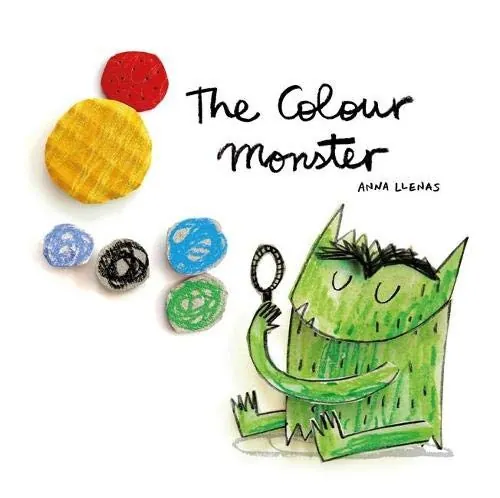
The Colour Monster (Anna Llenas)
A useful starting point for helping children name and talk about different feelings, using a simple colour-for-emotion system. It suits children who find it easier to point at a colour than to explain a feeling in words. Works well for calm bedtime reading as well as in-the-moment conversations.
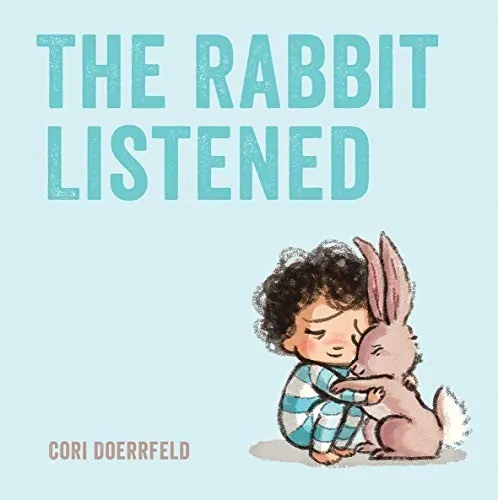
The Rabbit Listened (Cori Doerrfeld)
A gentle story for talking about what can help after something upsetting happens, without rushing to fix it or explain it away. It suits children who tend to go quiet or withdraw when they're upset, and parents looking for an alternative to "cheer up" advice. Works well as a follow-up read once the big feeling has already passed.
Want more books for this?
We've compared a few more picture books that can make big feelings easier to talk about while everyone is calm. Best Books for Big Feelings Ages 4–8 →
Sources & further reading
- Department for Education: Emotions (personal, social and emotional development)
- NHS: Talking to your child about feelings
Free pack for big feelings
Scenario cards for moments that tip over, like a tower falling or losing a game, a Pause–Think–Choose activity and 12 calm phrases to try. Printable, for ages 4–7. Download it straight away.
Free. We’ll email you now and then with new activities. Unsubscribe anytime.
By the Growing Wise team · Last reviewed: 5 September 2026
Growing Wise offers educational ideas for parents and carers. It is not a substitute for professional medical, developmental or mental-health advice.