Books about neurodiversity, disability and different ways of communicating
The goal of this list isn't to teach children that disabled and neurodivergent people are "different but amazing". It's to give them books where difference is just part of an ordinary story.
Quick answer
These books let children see themselves, encounter different ways of communicating, understand accessibility, notice boundaries, recognise different sensory experiences, discover shared interests, and talk naturally about difference. None of them are treatments, and none of them assume a child needs a diagnosis before the book is "for" them.
Autism & sensory differences
Growing Wise pick
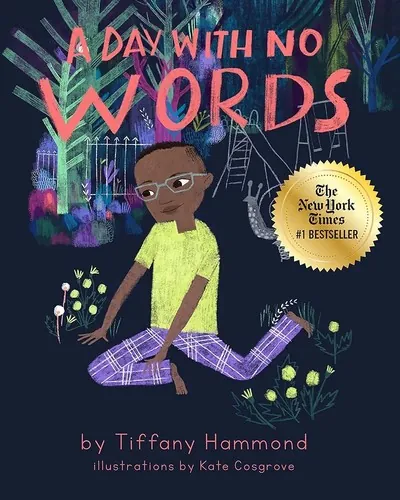
A Day With No Words (Tiffany Hammond)
- Best for
- Autism, AAC and communication without spoken words
- Age
- 4-8
- Why we chose it
- Shows that communication is still full and meaningful when it doesn't happen through spoken words. The child in the story uses a tablet to communicate.
- Try asking
- "How is this child telling other people what they want to say?"
- Representation note
- Written and illustrated with lived experience of autism and AAC use. We don't describe non-speaking children as having "no communication": the title refers to spoken words specifically.
Growing Wise pick
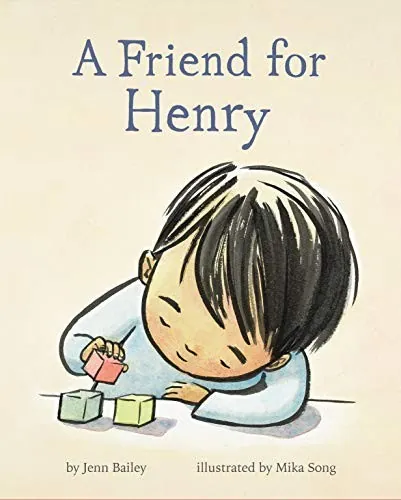
A Friend for Henry (Jenn Bailey)
- Best for
- Autism, friendship and sensory/social differences
- Age
- 4-8
- Why we chose it
- Henry wants a friend, but experiences the classroom and friendship differently to his classmates.
- Try asking
- "What makes someone feel like a good friend to Henry?"
- Representation note
- Henry's experience is one autistic child's experience, not a stand-in for all autistic children.
Growing Wise pick
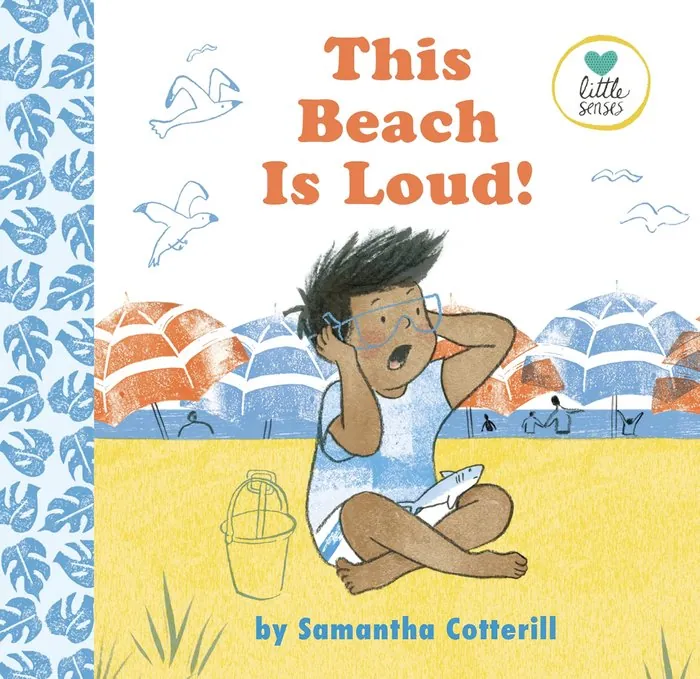
This Beach Is Loud! (Samantha Cotterill)
- Best for
- Sensory overwhelm and busy environments
- Age
- 4-8
- Why we chose it
- A busy beach becomes overwhelming because of its sights, sounds and sensations, and shows a simple way through it.
- Try asking
- "What could make this place feel easier?"
- Representation note
- The strategies in the story are one family's approach, not a treatment for autism or sensory-processing differences.
ADHD
Growing Wise pick
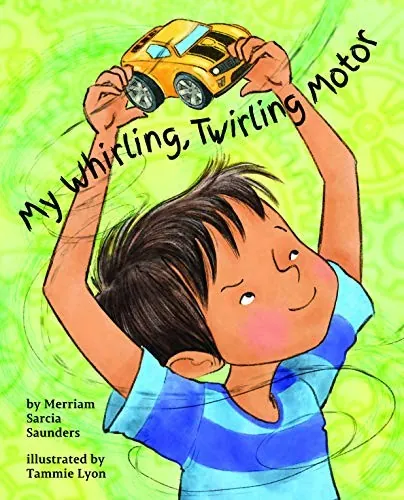
My Whirling Twirling Motor (Merriam Sarcia Saunders)
- Best for
- ADHD, movement, impulsivity and strengths
- Age
- 4-8
- Why we chose it
- Moves the conversation away from moralising about movement or impulsivity as "being naughty", and towards understanding.
- Try asking
- "What things is Charlie's fast-moving motor really good at?"
- Representation note
- We don't position this book as ADHD treatment; it's a way to talk about a child's experience of their own energy.
Communication differences
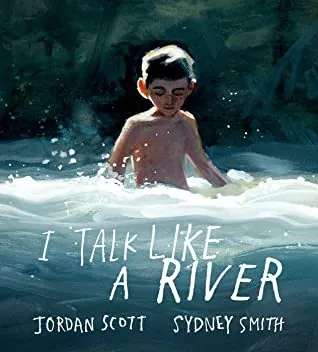
Growing Wise pick
I Talk Like a River (Jordan Scott)
- Best for
- Stuttering and communication differences
- Age
- 4-8
- Why we chose it
- Focuses on understanding a child's experience of stammering, rather than on trying to fix how he speaks.
- Try asking
- "What could a good listener do when someone needs more time to speak?"
- Representation note
- Written by an author who stutters, drawing on his own childhood.
Deafness
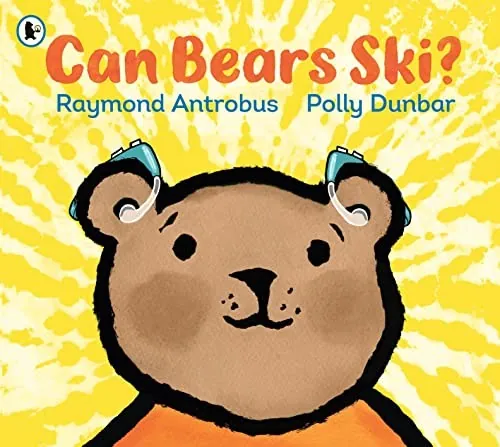
Growing Wise pick
Can Bears Ski? (Raymond Antrobus)
- Best for
- Deafness, hearing differences and hearing aids
- Age
- 4-8
- Why we chose it
- A child gradually understands he experiences sound differently, and begins using hearing aids.
- Try asking
- "What might help when someone can't hear everything that was said?"
- Representation note
- Written by a deaf author. Hearing aids are shown as a tool that helps, not as something that makes a deaf child "normal".
Visual impairment
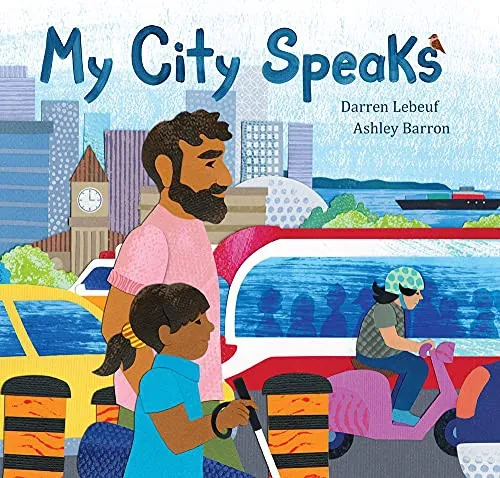
Growing Wise pick
My City Speaks (Darren Lebeuf)
- Best for
- Visual impairment and sensory exploration
- Age
- 4-8
- Why we chose it
- A visually impaired child experiences her city through sound, smell, touch and movement.
- Representation note
- Her visual impairment is one part of a rich, ordinary day, not the only interesting thing about her.
Mobility & limb differences
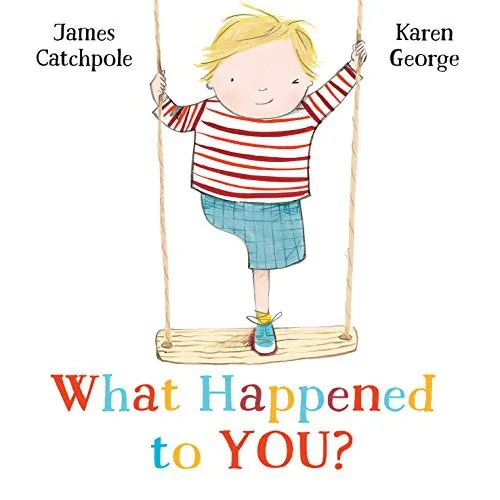
Growing Wise pick
What Happened to You? (James Catchpole)
- Best for
- Physical disability, limb difference, curiosity and privacy
- Age
- 4-8
- Why we chose it
- Teaches that noticing disability is fine, but a disabled child doesn't owe everyone an explanation of their body.
- Try asking
- "What do you think Joe actually wanted the other children to do?"
- Representation note
- Written by a disabled author drawing on his own childhood experience of being repeatedly asked to explain his body before being allowed to play.
Growing Wise pick
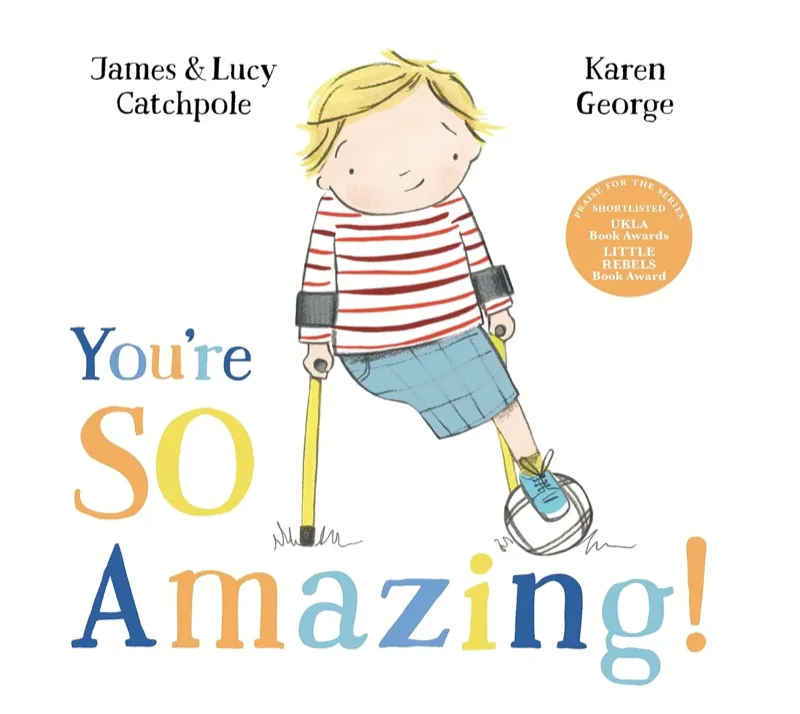
You're SO Amazing! (James Catchpole and Lucy Catchpole)
- Best for
- Disability, inclusion and avoiding inspiration stereotypes
- Age
- 4-8
- Why we chose it
- Disabled children should get to do ordinary things without automatically being treated as extraordinary for doing them.
- Representation note
- Written by disabled authors directly addressing the "inspiration" stereotype from the inside.
Down syndrome
Growing Wise pick
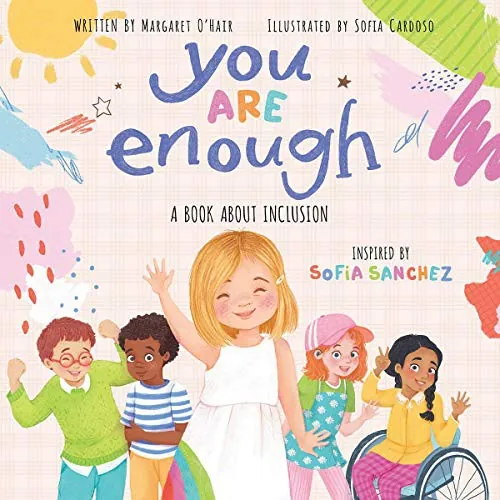
You Are Enough (Margaret O'Hair and Sofia Sanchez)
- Best for
- Down syndrome, belonging and inclusion
- Age
- 4-8
- Why we chose it
- A gentle option for conversations about belonging, confidence and difference.
- Representation note
- Co-written with Sofia Sanchez, a young disability advocate with Down syndrome. Down syndrome is not framed as something sad to overcome.
Accessibility & inclusion
Growing Wise pick
We Move Together (Kelly Fritsch and Anne McGuire)
- Best for
- Mobility, accessibility, inclusion and disability community
- Age
- 4-8
- Why we chose it
- Shows a mixed-ability group navigating everyday environments and accessibility barriers together.
- Try asking
- "What could we change so everyone can join in?"
- Representation note
- Written by disabled authors; mobility aids and wheelchairs are shown as ordinary, not tragic.
Growing Wise pick
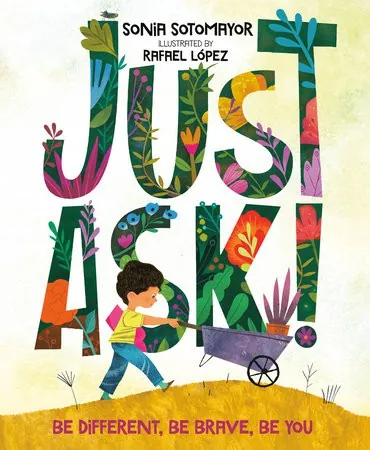
Just Ask! (Sonia Sotomayor)
- Best for
- General conversations about disability, difference and respectful curiosity
- Age
- 4-8
- Why we chose it
- Helps children talk about differences without turning them into something frightening or shameful.
Related reading
- How to talk to children about disability without pity or intrusive questions
- Not every child communicates with spoken words
- When the world feels too loud
By the Growing Wise team · Last reviewed: 5 September 2026
Growing Wise offers educational ideas for parents and carers. It is not a substitute for professional medical, developmental or mental-health advice.