Not every child communicates with spoken words
A boy at the park points at the swing, then at himself, then taps a picture on his tablet. He's telling you exactly what he wants.

Communication is broader than speech. Gestures, pictures, sign, typing and AAC (augmentative and alternative communication) devices are all real, full communication, not a lesser stand-in for talking. If a child you meet uses one of these, the most useful thing you can do is speak directly to them, give them time, and follow their lead.
What communication can look like
A child might point, hand you an object, use a picture card, sign, type on a tablet, or use a dedicated AAC device that speaks words aloud when they select them. Some children combine several of these depending on the situation.
None of these are a smaller version of talking. They're just a different route to the same thing: telling someone what you think, want or feel.
What to do when you meet a child who uses AAC
- Speak directly to the child, not to the adult standing next to them.
- Give them time to respond. A pause while someone selects words on a device is not the same as not answering.
- Follow their lead rather than guessing and finishing their sentence for them.
- If you're not sure how to respond to something on a screen or a card, it's fine to ask them, or their parent, how they'd like you to reply.
Try saying: "Take your time, I'm listening", and then actually wait.
What not to say
Try to avoid phrases like "use your words" to a child who is already communicating, just not with spoken words. It's worth noticing, too, if a child seems to be treated as though they understand less than they do simply because they don't speak. Understanding and speech are not the same thing.
Helping your own child understand
Young children are usually far more comfortable with this than adults expect, if it's explained simply and matter-of-factly.
Try saying: "Some people talk with their mouth, and some people talk with pictures or a machine that speaks for them. It's still them talking, just a different way."
When things are calm, ask: "If your friend used a tablet to tell you what they wanted to play, how could you find out what they picked?"
Let your child answer first. This builds the habit of watching and waiting for a response, rather than assuming.
Try the Growing Wise 5-minute activity
Books that can help
Three different ways children in these stories communicate.
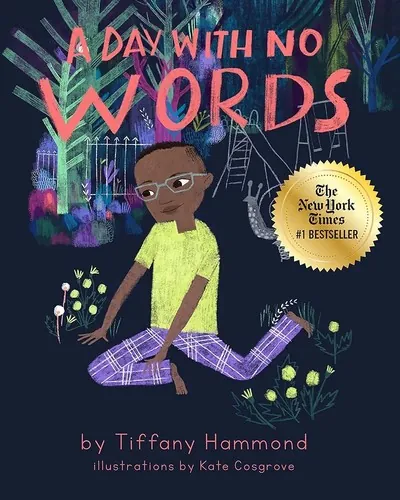
A Day With No Words (Tiffany Hammond)
Autism, AAC and communication without spoken words.
Search on Amazon →

See all communication and inclusion books →
By the Growing Wise team · Last reviewed: 5 September 2026
Growing Wise offers educational ideas for parents and carers. It is not a substitute for professional medical, developmental, speech-and-language or mental-health advice.