When the world feels too loud
Helping a child through sensory overwhelm, at a fireworks display, a birthday party or a busy classroom event.
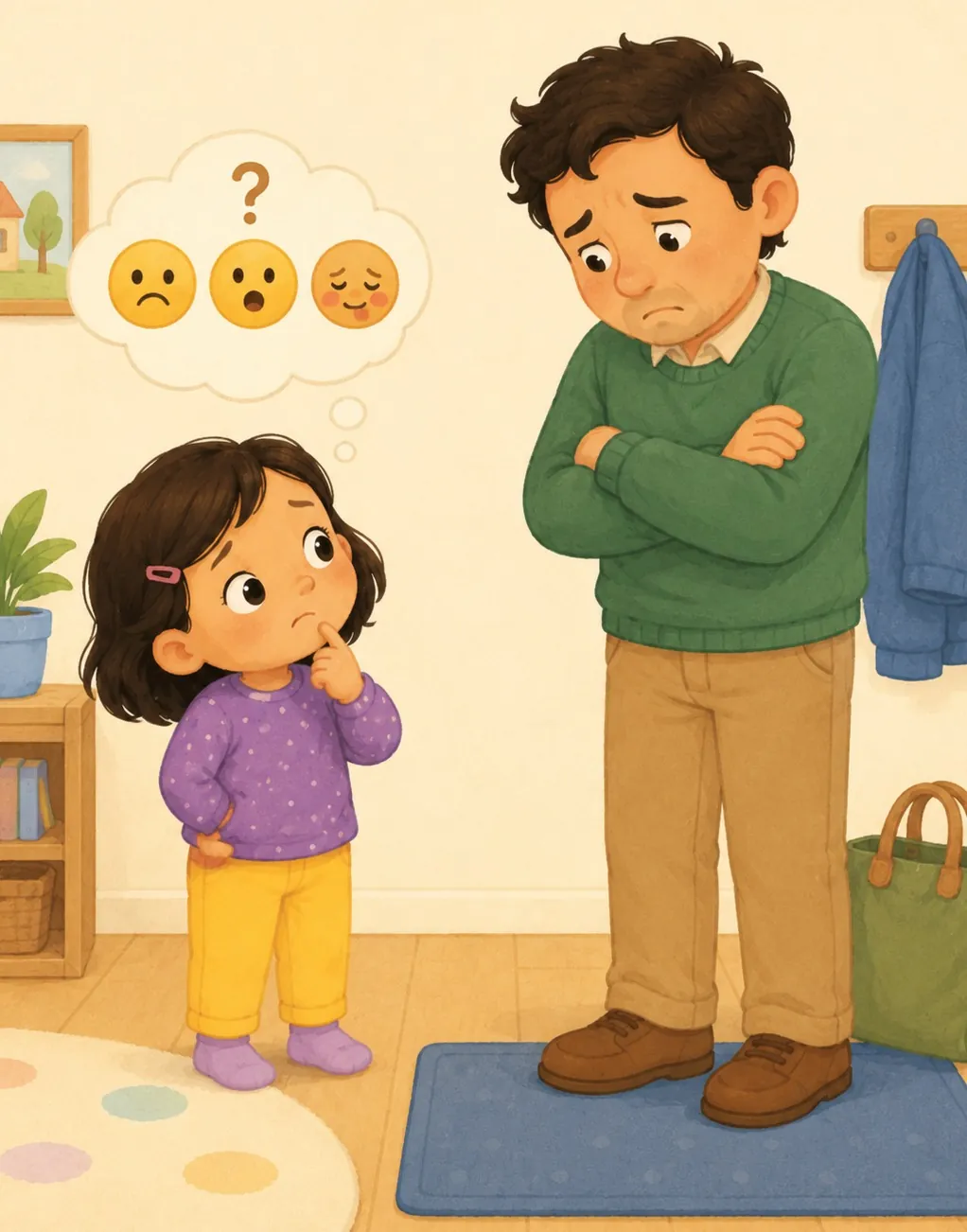
Sensory overwhelm can look like covering ears, crying, freezing, trying to leave, or suddenly becoming much harder to reach with words. It isn't naughty behaviour, and arguing about whether the environment is "really" too loud won't help. The most useful things you can do are reduce demands, give space, and prepare before busy environments where you can.
What sensory overwhelm might look like
A child who is sensory-overwhelmed might cover their ears, go very quiet, cry, try to run off, or suddenly stop answering questions they'd normally manage easily. Some children go rigid or freeze rather than visibly react.
It's easy to mistake this for a tantrum about something unrelated, or for the child being deliberately unresponsive. Usually it's neither: their system is genuinely full, and there isn't much spare capacity left for anything else, including instructions.
What to do in the moment
- Reduce language. Long explanations are hard to process on top of everything else. Short and calm works better than reasoning.
- Reduce demands. This isn't the moment for "say thank you nicely" or "stand still".
- Give space, physically if you can: a quieter corner, further from the noise, facing away from the crowd.
- Let your own voice and movements be slow and predictable.
Try saying: "It's a lot right now. Let's find somewhere quieter."
What not to say
Try to avoid "it's not that loud" or "everyone else is fine"; from inside the overwhelm, this reads as being told their own experience is wrong, which rarely helps anyone calm down faster.
Before a busy environment
Where you know a place or event tends to be difficult, a little preparation goes a long way.
- Say what to expect in advance: "It'll be loud at the fireworks, and there'll be a lot of people."
- Plan a quiet spot or an exit route before you need one.
- Bring anything that reliably helps: a comfort object, headphones, or a favourite snack.
When things are calm, ask: "What's one place that feels too loud or too busy for you?" Then: "What could help next time we go somewhere like that?"
Let your child answer first, even if the answer is simple. It builds the habit of noticing what's difficult before it becomes a crisis.
Try the Growing Wise 5-minute activity
A story about sensory overwhelm
See This Beach Is Loud! for a picture book that shows exactly this kind of moment, and one family's way through it.
A practical tool some families find useful
Some children find reducing background noise useful in particularly loud environments, such as fireworks, a busy football match or a noisy classroom event.
By the Growing Wise team · Last reviewed: 5 September 2026
Growing Wise offers educational ideas for parents and carers. It is not a substitute for professional medical, developmental or mental-health advice.