The Invisible Boy: questions to ask and activities to try
Brian feels invisible in his class: not picked, not invited, not noticed. The Invisible Boy opens a conversation about the quiet child who gets left out, and the small things that help someone feel included.
What age is it for? The Invisible Boy is best for ages 5–8. Good for: Friendship, exclusion, quieter children and inclusion.
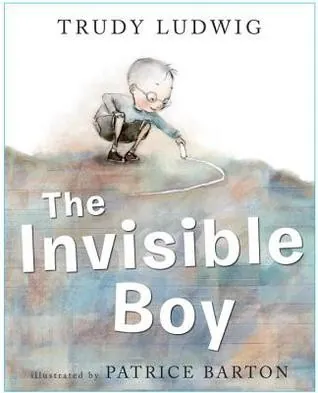
The Invisible Boy (Trudy Ludwig)
- Age
- 5-8
- Best for
- Friendship, exclusion, quieter children and inclusion
Ask how Brian might feel at lunch or at playtime, then focus on what changes things for him: one small, kind act. It works both for children who feel left out and for children learning to notice others.
What it helps with
- Noticing someone who is left out
- Small ways to include others
- Quieter children who feel overlooked
- Kindness that doesn't need to be big
Comprehension and discussion questions
Pick two or three, not all of them. “I don’t know” is a fine answer, and you can always come back to it another day.
- “How do you think Brian felt when no one noticed him?”
- “How could you tell if someone wanted to join in?”
- “What small thing made a difference for Brian?”
- “Have you ever felt invisible? What helped?”
- “What could you do if you saw someone on their own at playtime?”
- “Why do you think the illustrator drew Brian without colour at first?”
5-minute activities to try together
Look for one small way to include someone
Next time you're at the park or school gate, look together for one small way to include someone, like a smile, a wave or an invitation.
Invitation words
Practise two easy invitations together: “Do you want to play?” and “You can sit with us.” Take turns being the one who asks.
Free printables: The Invisible Boy worksheet and activity pack
This book’s one-page worksheet with the questions and activities above, plus our activity pack: printable scenario cards, three 5-minute activities and a “What could I try?” page for practising everyday skills together. Enter your email and download them straight away.
Free. We’ll only email you if you tick the box.
If your child liked this, try
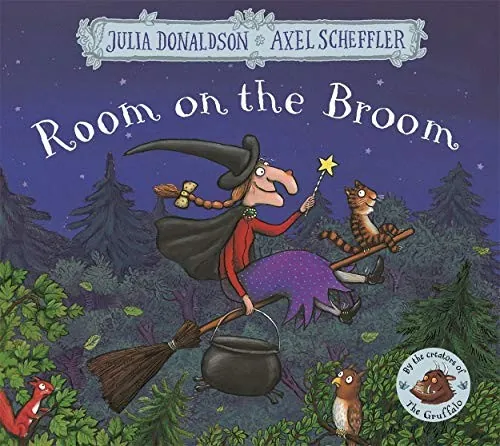
Room on the Broom (Julia Donaldson and Axel Scheffler)
- Best for
- Making room for others, and friends who stick together
- Age
- 3-6
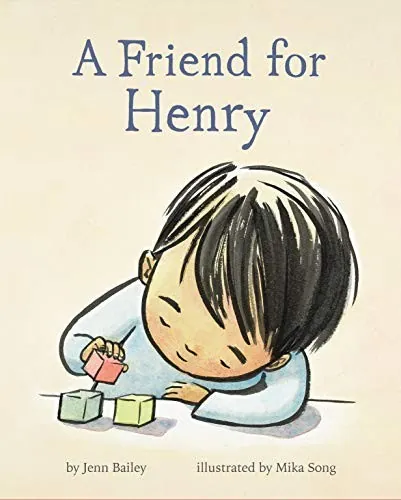
A Friend for Henry (Jenn Bailey)
- Best for
- Autism, friendship and sensory/social differences
- Age
- 4-8
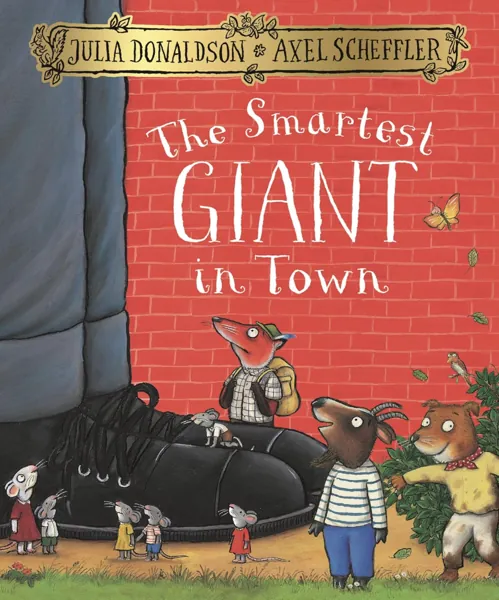
The Smartest Giant in Town (Julia Donaldson and Axel Scheffler)
- Best for
- Kindness, generosity and giving to others
- Age
- 3-6
Search all our books by what's happening →
By the Growing Wise team · Last reviewed: 1 October 2026
Growing Wise offers educational ideas for parents and carers. It is not a substitute for professional medical, developmental or mental-health advice. As an Amazon Associate, Growing Wise earns from qualifying purchases.