My child hates losing. What can I do?
If losing a board game turns into shouting, tears or a flipped-over box most times you play, you're not doing anything wrong, and neither are they.
Big reactions to losing are common at this age because your child cares, and hasn't had much practice yet at feeling disappointed without it taking over. In the moment, help the feeling pass before you talk about the game at all. Once things are calm, a story or a short practice scenario gives you a natural way back into the conversation, without it feeling like a telling-off.
Try this first
Keep the first response short. Help them get through the feeling before trying to teach the lesson.
“You really wanted to win. It’s hard when the game doesn’t go your way. I’m here.”
Your child loses Snakes and Ladders, pushes the board away and says, “I’m never playing again!”
Why losing can feel this big
A loss creates an immediate gap between what your child wanted and what actually happened. At four, five or six, that gap can feel enormous in the moment, even though it passes within minutes. Many children this age also treat winning as a rough measure of whether they're good at something, so a loss can briefly feel like evidence about themselves, not just about the game.
What to do right now
- Keep your own voice low and steady.
- Name the feeling instead of arguing with it: "You really wanted to win."
- Let the disappointment exist for a moment before fixing or explaining anything.
- Hold any boundary calmly: "I won't let you throw the pieces."
Try saying: "You really wanted to win. It's OK to be disappointed."
Words you can try
You will not need all of these. Pick the one that fits the moment you are in.
Before playing
“Someone will win and someone won’t this time. What could we do if losing feels really hard?”
After losing
“You really wanted that one.”
If they want to stop
“You can take a break. We can decide later whether you want another round.”
Setting a boundary
“It’s OK to feel angry. The pieces stay on the table.”
Later on
“What might help next time: a break, a cuddle, saying ‘good game’, or something else?”
Saying “good game” is one option among several, not a requirement. A child who needs to walk away quietly is still coping.
What to practise once everyone is calm
The moment right after a loss is rarely the right time for a lesson. A few minutes later, or even the next day, is when a story or a quick scenario actually lands.
Try this 5-minute scenario
“You’re playing a game. You nearly reach the finish, but someone else gets there first.”
What might you do?
- Say “I’m disappointed”
- Take a short break
- Ask to play again
- Congratulate the other person
- Ask a grown-up for help
- Say “I don’t know”
- Stop the activity
There is no right answer here, and your child does not have to say any of them out loud. Pointing, nodding or choosing together all count.
Then talk about it:
- “Which one would feel easiest?”
- “Which one might be difficult?”
- “Can you think of another idea?”
Three books, for three slightly different versions of this
"Hates losing" isn't always the same problem underneath. These three cover the versions we see most often.
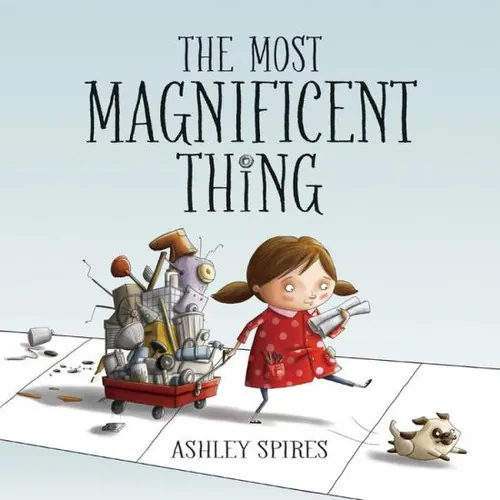
If it's less about losing to someone else, more about something not working
The Most Magnificent Thing (Ashley Spires)
- Best for
- Frustration, persistence and trying again
- Age
- 4–8
- Why we chose it
- A child has an idea, struggles again and again to make it work, gets very frustrated, steps away for a while, and comes back to it: a real model for what recovering from a setback can look like.
- Try asking
- "What changed when she took a break?"
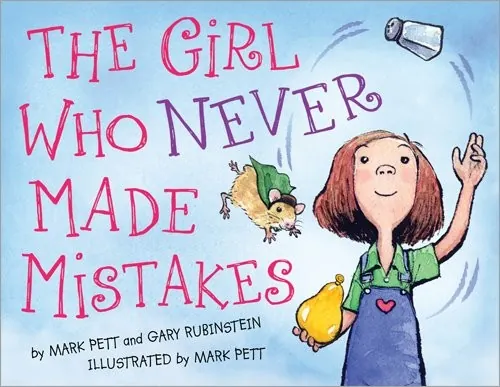
If losing feels tangled up with a fear of getting things wrong generally
The Girl Who Never Made Mistakes (Mark Pett and Gary Rubinstein)
- Best for
- Fear of mistakes and perfectionism
- Age
- 5–8
- Why we chose it
- Useful for talking about what happens when being afraid of a mistake starts getting in the way of trying or enjoying things, not just games specifically.
- Try asking
- "What would you try if making a mistake was completely OK?"
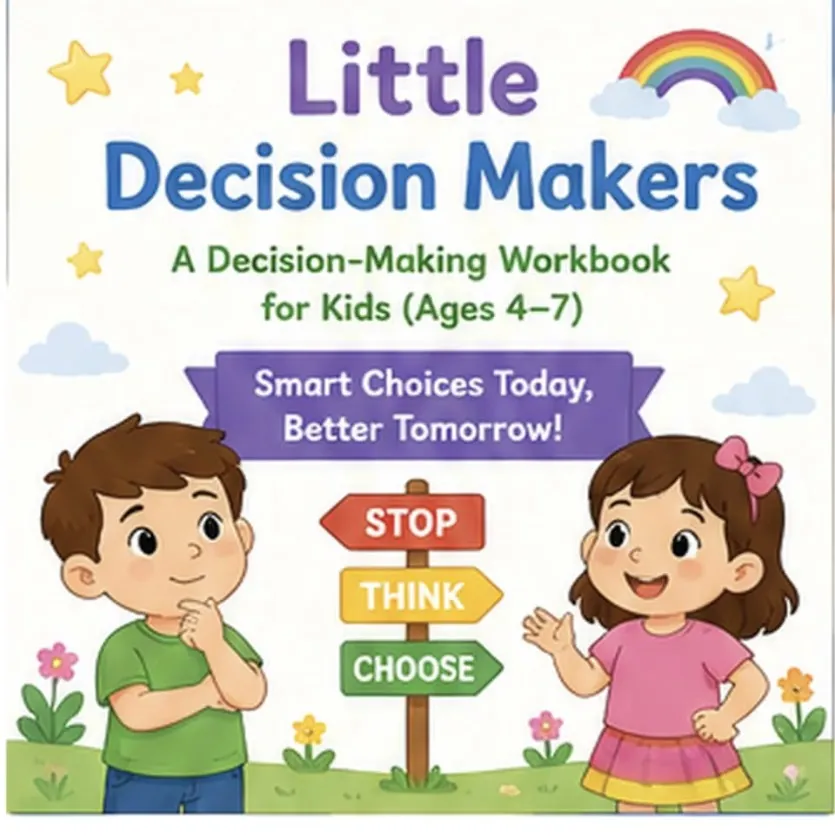
If you want to practise the pause itself, not just read about it
Little Decision Makers (Medha Khare)
- Best for
- Practising the "stop, think, choose" pause away from a screen
- Age
- 4–8
- Why we chose it
- This is a Growing Wise product: a pencil-and-paper companion to the free Growing Wise game, giving children a losing scenario to think through at their own pace.
- Try asking
- "What would you choose to do first?"
This is a Growing Wise product, not an independent pick: we're the ones who made it.
Want the longer version?
This page is the short, practical answer. Our full guide to helping a child who finds losing really hard goes deeper: what not to demand mid-upset, how to set expectations before you start playing, and words to use afterwards. If it's specifically the competitive game itself that's the problem, our cooperative games for children who hate losing take a different approach entirely: everyone wins or loses together.
Free pack: when losing ends in tears
Includes a “Losing a game” scenario card, the Pause–Think–Choose activity and 12 calm phrases for when a game goes wrong. Printable, for ages 4–7. Download it straight away.
Free. We’ll email you now and then with new activities. Unsubscribe anytime.
Related Growing Wise pages
By the Growing Wise team · Last reviewed: 18 September 2026
Growing Wise offers educational ideas for parents and carers. It is not a substitute for professional medical, developmental or mental-health advice. This page does not diagnose or treat any condition.