Best Friendship & Sharing Books Ages 4–8
For joining in, being left out, sharing, and everyday conflict with friends or siblings.
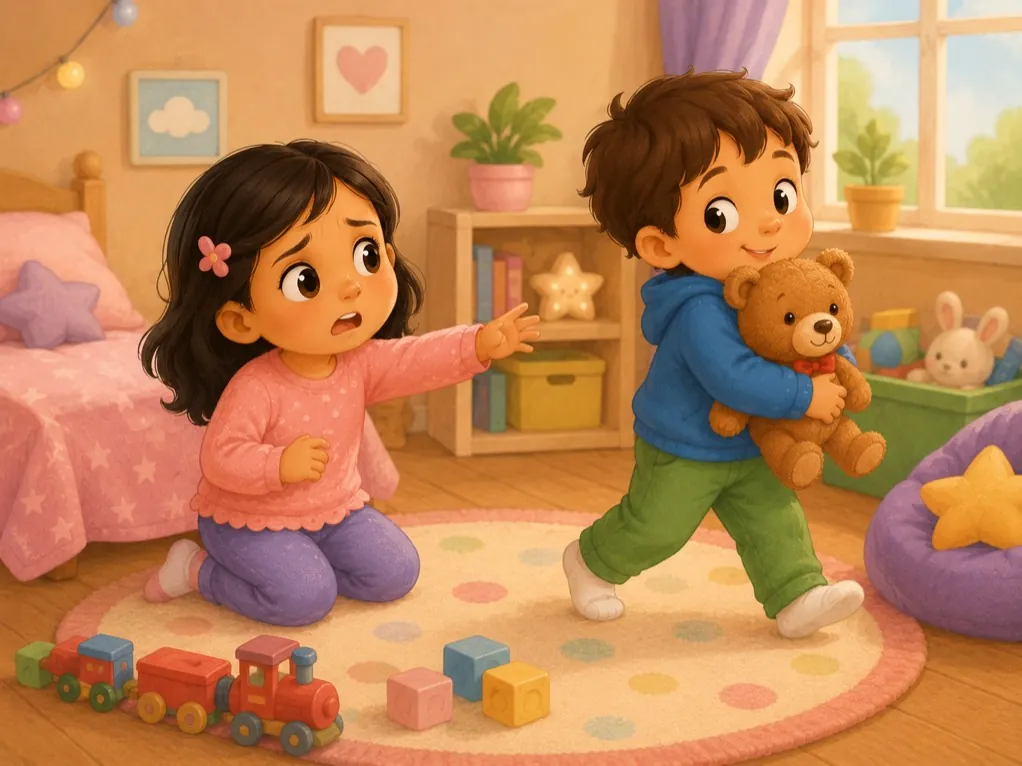
Friendship problems at this age are rarely about one child being "bad" at friendship; more often it's sharing, timing, or not yet having the words to ask to join in. A story can give your child a way to talk about what happened without it feeling like a lecture about their own behaviour.
These are the books we think are most useful for talking about inclusion, sharing and safer hands during conflict with children aged around 4–8.
Quick picks
Compare the books
| Book | Best for | Age | Format |
|---|---|---|---|
| The Invisible Boy | Exclusion and noticing a left-out child | 5–8 | Picture book |
| A Friend for Henry | Autism, friendship and sensory differences | 4–8 | Picture book |
| Hands Are Not for Hitting | Safer hands during conflict | 4–8 | Board/picture book |
Our recommendations
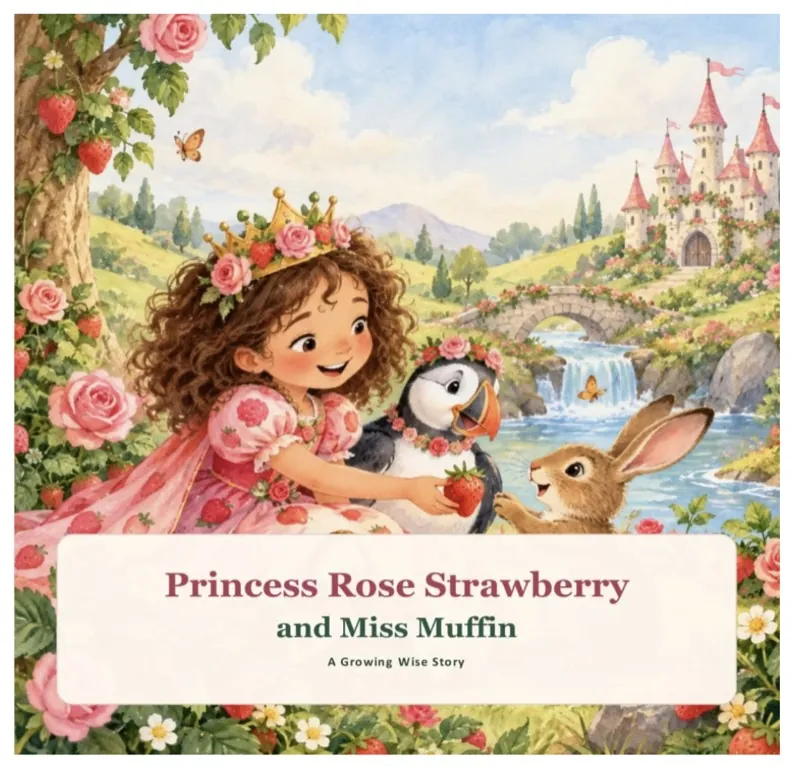
Princess Rose Strawberry and Miss Muffin
A picture book written and published by Growing Wise.
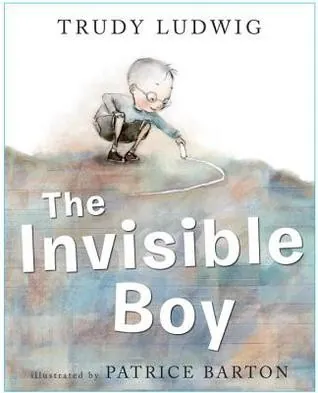
If your child feels left out or overlooked
The Invisible Boy (Trudy Ludwig)
- Best for
- Friendship, exclusion, quieter children and inclusion
- Age
- 5–8
- Why we chose it
- Starts a conversation about noticing a child who is left out, and the small actions that can help someone feel included.
- Try asking
- "How could you tell if someone wanted to join in?"
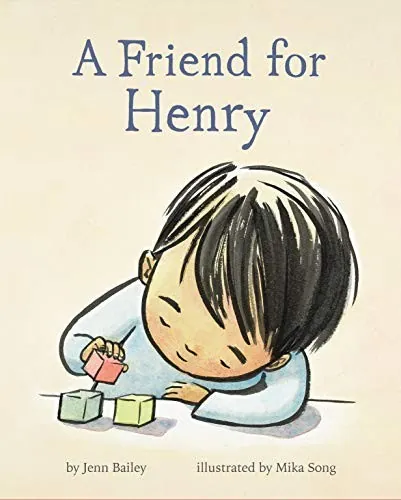
If friendship looks a little different for your child
A Friend for Henry (Jenn Bailey)
- Best for
- Autism, friendship and sensory/social differences
- Age
- 4–8
- Why we chose it
- Henry wants a friend, but experiences the classroom and friendship a little differently to his classmates. Henry's experience is one autistic child's experience, not a stand-in for all autistic children.
- Try asking
- "What makes someone feel like a good friend to Henry?"
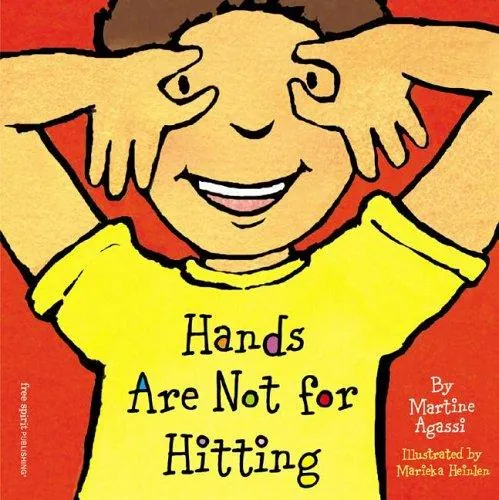
If disagreements are turning physical
Hands Are Not for Hitting (Martine Agassi)
- Best for
- Talking about safer hands during conflict
- Age
- 4–8
- Why we chose it
- It talks directly and calmly about what hands can do instead of hitting, without shaming a child for the impulse.
- Try asking
- "What else could hands do here instead?"
Want to practise this together?
Your child can practise a friendship scenario in our free 5-minute game, or read our full guide to sibling and friendship conflict for words to use in the moment.
Is something else going on?
Free pack for friendship and sharing
Scenario cards for joining in and for putting things right after an accident, three 5-minute activities and 12 phrases for tricky moments. Printable, for ages 4–7. Download it straight away.
Free. We’ll email you now and then with new activities. Unsubscribe anytime.
By the Growing Wise team · Last reviewed: 8 September 2026
Growing Wise offers educational ideas for parents and carers. It is not a substitute for professional medical, developmental or mental-health advice.