Hands Are Not for Hitting: questions to ask and activities to try
Hands can do so many things: wave, hug, help, build. Hands Are Not for Hitting talks calmly about what hands can do instead of hitting, without shaming a child for the impulse.
What age is it for? Hands Are Not for Hitting is best for ages 4–8. Good for: Talking about safer hands during conflict.
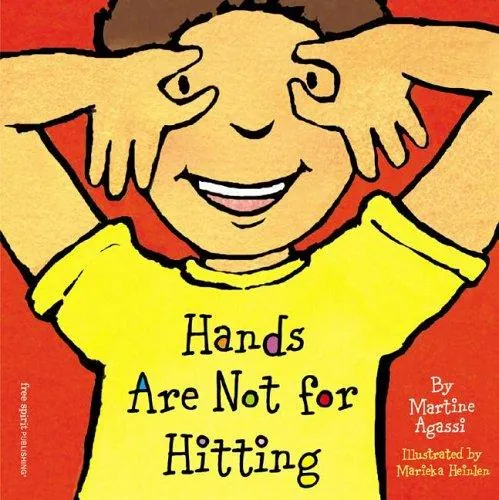
Hands Are Not for Hitting (Martine Agassi)
- Age
- 4-8
- Best for
- Talking about safer hands during conflict
Read it at a calm time, not right after a hit. Ask what else hands could do, and practise one of those things when feelings are small, so it's easier to remember when they're big.
What it helps with
- Hitting, pushing and grabbing
- What to do with angry hands
- Calm, shame-free conversations about behaviour
- Sibling and playground conflict
Comprehension and discussion questions
Pick two or three, not all of them. “I don’t know” is a fine answer, and you can always come back to it another day.
- “What else could hands do here instead?”
- “What do your hands like doing?”
- “What does your body feel like when you're cross?”
- “What could you do with your hands when you feel like hitting?”
- “What could you say instead of hitting?”
- “Who could you go to for help?”
5-minute activities to try together
Five helpful hands
Make a list together of five helpful things hands can do, and pick one to try today.
Squeeze and breathe
Practise a calm-hands move: squeeze your hands into fists, take a slow breath, then let them go floppy. Do it together a few times.
Free printables: Hands Are Not for Hitting worksheet and activity pack
This book’s one-page worksheet with the questions and activities above, plus our activity pack: printable scenario cards, three 5-minute activities and a “What could I try?” page for practising everyday skills together. Enter your email and download them straight away.
Free. We’ll only email you if you tick the box.
If your child liked this, try
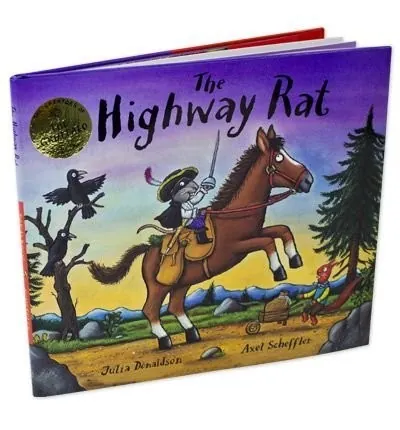
The Highway Rat (Julia Donaldson and Axel Scheffler)
- Best for
- Taking what isn't yours, greed and learning to share
- Age
- 3-6
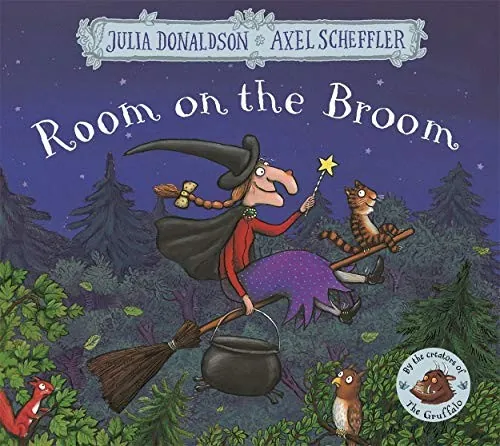
Room on the Broom (Julia Donaldson and Axel Scheffler)
- Best for
- Making room for others, and friends who stick together
- Age
- 3-6
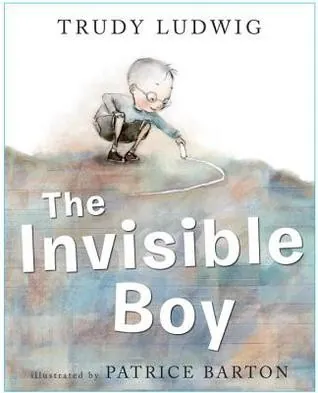
The Invisible Boy (Trudy Ludwig)
- Best for
- Friendship, exclusion, quieter children and inclusion
- Age
- 5-8
Search all our books by what's happening →
By the Growing Wise team · Last reviewed: 1 October 2026
Growing Wise offers educational ideas for parents and carers. It is not a substitute for professional medical, developmental or mental-health advice. As an Amazon Associate, Growing Wise earns from qualifying purchases.