Best Books for Big Feelings Ages 4–8
For when a small upset turns into a very big reaction.
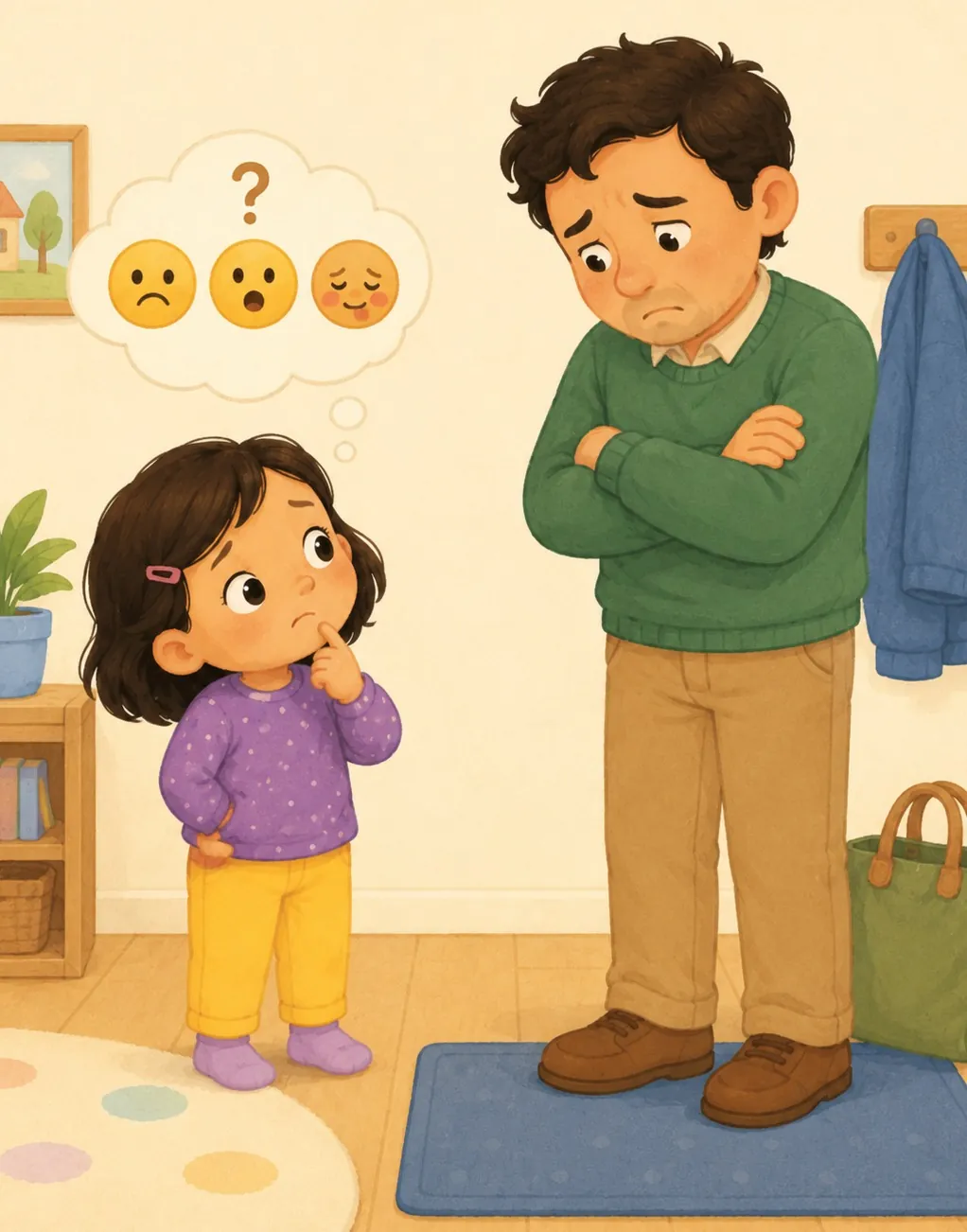
If your child's feelings sometimes seem too big for the moment, a shared story can make them easier to talk about than a direct question ever could. Reading together, away from the heat of the moment, gives a child a way to point at a character or a colour instead of having to explain a feeling they don't yet have words for.
These are the picture books we think are most useful for naming, sitting with and talking about big feelings with children aged around 4–8. None of them are a fix on their own: they work best as a starting point for a conversation, alongside our guide to big feelings and the free Growing Wise game.
Quick picks
Compare the books
| Book | Best for | Age | Format |
|---|---|---|---|
| The Colour Monster | Naming feelings | 3–6 | Picture book |
| The Rabbit Listened | Sitting with difficult feelings | 4–8 | Picture book |
| The Huge Bag of Worries | Talking about worries | 5–8 | Picture book |
Our recommendations
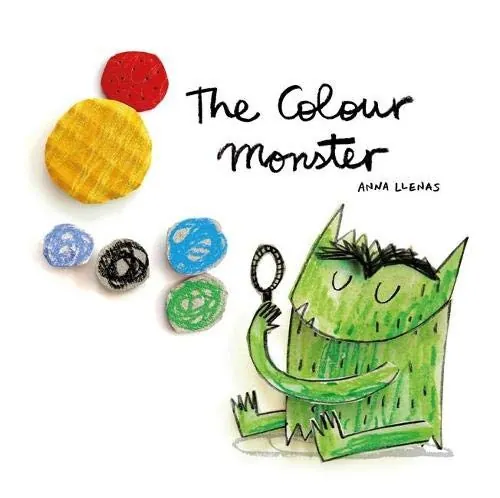
If your child can't find the words for how they're feeling
The Colour Monster (Anna Llenas)
- Best for
- Naming feelings
- Age
- 3–6
- Why we chose it
- It gives children a simple colour-for-emotion system, so pointing at a colour can stand in for a feeling they don't have the words for yet.
- Try asking
- "What colour do you think you feel like today?"
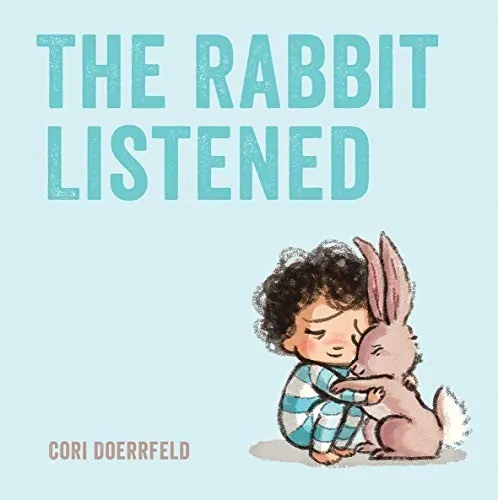
If your child goes quiet or withdraws rather than shouting
The Rabbit Listened (Cori Doerrfeld)
- Best for
- Sitting with difficult feelings
- Age
- 4–8
- Why we chose it
- It shows that simply being there, without rushing to fix or explain, can be exactly what's needed after something upsetting happens.
- Try asking
- "What do you think would help the character feel better?"
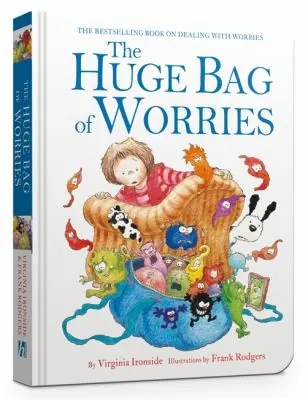
If your child is carrying a worry they can't quite explain
The Huge Bag of Worries (Virginia Ironside)
- Best for
- Talking about worries
- Age
- 5–8
- Why we chose it
- It gives worries a concrete visual metaphor, which can make them easier for a young child, and a parent, to actually talk about. This is a conversation starter, not a treatment for anxiety.
- Try asking
- "If you had a worry bag, what might be inside it?"
Want to practise this together?
Books work well alongside a short, calm activity. Your child can practise a similar situation in our free 5-minute game, or you can read our full guide to big feelings for what to say in the moment.
Is something else going on?
Free pack for big feelings
Scenario cards for moments that tip over, like a tower falling or losing a game, a Pause–Think–Choose activity and 12 calm phrases to try. Printable, for ages 4–7. Download it straight away.
Free. We’ll email you now and then with new activities. Unsubscribe anytime.
By the Growing Wise team · Last reviewed: 8 September 2026
Growing Wise offers educational ideas for parents and carers. It is not a substitute for professional medical, developmental or mental-health advice.