Small in the City: questions to ask and activities to try
A small child crosses a snowy city, giving advice to someone who might be lost. Small in the City won the Kate Greenaway Medal for its quiet, powerful story.
What age is it for? Small in the City is best for ages 4–8. Good for: Feeling small in a big city, and looking for someone you love.
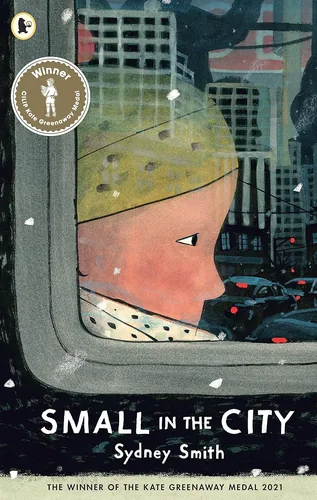
Small in the City (Sydney Smith)
- Age
- 4-8
- Best for
- Feeling small in a big city, and looking for someone you love
Read it slowly and let your child work out who the advice is for. It's lovely for talking about feeling small and lost.
What it helps with
- Feeling small or lost
- Caring for a pet
- Cities and safety
- Reading pictures carefully
Comprehension and discussion questions
Pick two or three, not all of them. “I don’t know” is a fine answer, and you can always come back to it another day.
- “Where was the child?”
- “How did the city feel?”
- “What advice did they give?”
- “Who was it for?”
- “How did the child feel?”
- “What do you do if you feel lost?”
5-minute activities to try together
Safe places
Talk about safe places and people to go to if you're lost.
City sounds
Close your eyes on a busy street and name every sound.
Free printables: Small in the City worksheet and activity pack
This book’s one-page worksheet with the questions and activities above, plus our activity pack: printable scenario cards, three 5-minute activities and a “What could I try?” page for practising everyday skills together. Enter your email and download them straight away.
Free. We’ll only email you if you tick the box.
If your child liked this, try
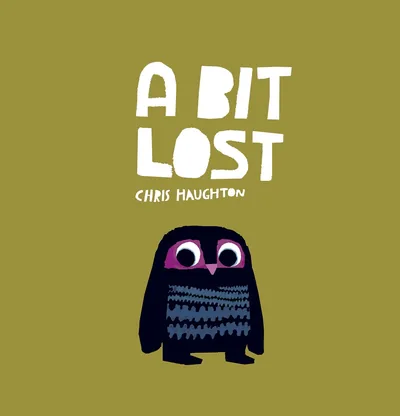
A Bit Lost (Chris Haughton)
- Best for
- Getting lost, and asking for help
- Age
- 2-5
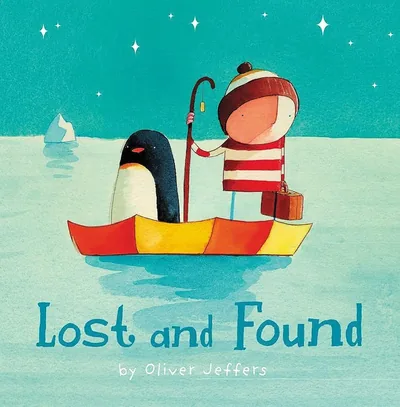
Lost and Found (Oliver Jeffers)
- Best for
- Loneliness, and the friendships we don't expect
- Age
- 3-7
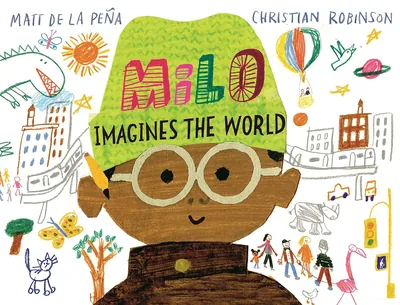
Milo Imagines the World (Matt de la Peña and Christian Robinson)
- Best for
- Imagining other people's lives, and not judging by looks
- Age
- 4-8
Search all our books by what's happening →
By the Growing Wise team · Last reviewed: 10 October 2026
Growing Wise offers educational ideas for parents and carers. It is not a substitute for professional medical, developmental or mental-health advice. As an Amazon Associate, Growing Wise earns from qualifying purchases.