Don't Trust Fish!: questions to ask and activities to try
What are fish plotting down there? Don't Trust Fish! is a laugh-out-loud picture book full of very silly reasons to be suspicious of fish.
What age is it for? Don't Trust Fish! is best for ages 4–7. Good for: A very silly warning about fish.
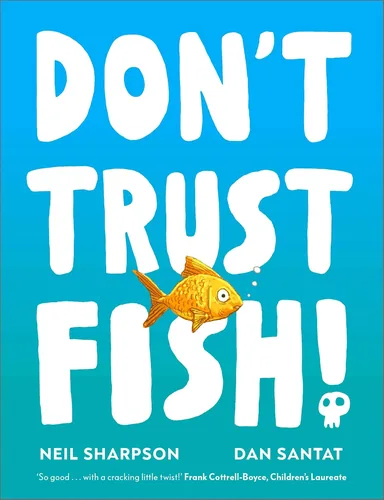
Don't Trust Fish! (Neil Sharpson and Dan Santat)
- Age
- 4-7
- Best for
- A very silly warning about fish
Read it in a serious, suspicious voice, and let your child decide if any reason makes sense. It's great for talking about whether to believe everything you're told.
What it helps with
- Laughing together
- Spotting silly arguments
- Questioning what you're told
- Facts about fish
Comprehension and discussion questions
Pick two or three, not all of them. “I don’t know” is a fine answer, and you can always come back to it another day.
- “Why does the narrator not trust fish?”
- “Which reason was silliest?”
- “Are any reasons true?”
- “What do fish really do underwater?”
- “What else could be suspicious?”
- “Do you trust fish?”
5-minute activities to try together
Suspicious animals
Make up silly reasons not to trust another animal, like cats or ducks.
Fish facts
Find three real facts about fish and decide if they're suspicious.
Free printables: Don't Trust Fish! worksheet and activity pack
This book’s one-page worksheet with the questions and activities above, plus our activity pack: printable scenario cards, three 5-minute activities and a “What could I try?” page for practising everyday skills together. Enter your email and download them straight away.
Free. We’ll only email you if you tick the box.
Use it as a lesson plan
Children can tell the difference between a real fact and a silly claim, and say why they believe something.
A 20-minute session for Reception to Year 2 (ages 4–7), for a class, a small group or one child at home.
- Warm up (2 minutes). Show the cover and take a vote: “Do you trust fish?” Keep the result for the end.
- Read aloud (6 minutes). Read it in a serious, suspicious voice. Pause once or twice to ask, “Do you believe that?”
- Talk about it (4 minutes). Pick two or three of the comprehension and discussion questions above. “Are any reasons true?” works well here.
- Activity (6 minutes). Do Fish facts: share three real fish facts and sort them with the book’s reasons into “true” and “silly”. The free worksheet has this ready to print. Older children can try Suspicious animals and invent their own silly reasons.
- Wrap up (2 minutes). Vote again. Ask anyone who changed their mind what made them change it.
Want to go further? Ask children to write or draw one silly reason not to trust another animal, and one real fact about it.
More illustrated by Dan Santat: After the Fall
If your child liked this, try
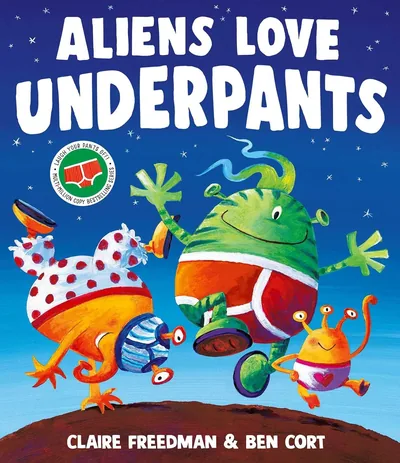
Aliens Love Underpants (Claire Freedman and Ben Cort)
- Best for
- Pure silliness, rhyme and laughing together
- Age
- 2-6
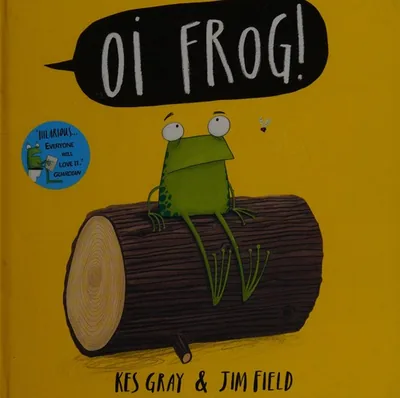
Oi Frog! (Kes Gray and Jim Field)
- Best for
- Rhyming fun, and talking about rules and speaking up
- Age
- 3-6
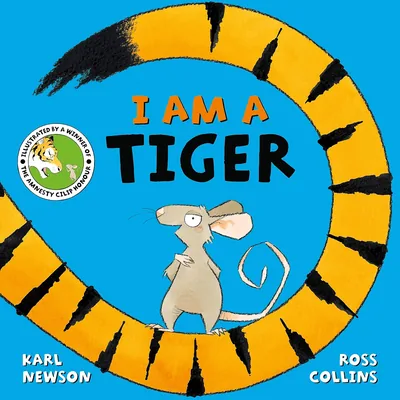
I Am a Tiger (Karl Newson and Ross Collins)
- Best for
- A little mouse with very big confidence
- Age
- 3-7
Search all our books by what's happening →
By the Growing Wise team · Last reviewed: 18 October 2026
Growing Wise offers educational ideas for parents and carers. It is not a substitute for professional medical, developmental or mental-health advice. As an Amazon Associate, Growing Wise earns from qualifying purchases.