Books for helping children practise everyday life skills
Books work best here as conversation starters, not as something that fixes a behaviour on its own. Read one together, then use it as a doorway into a real conversation about what's going on for your child.
Best for naming feelings
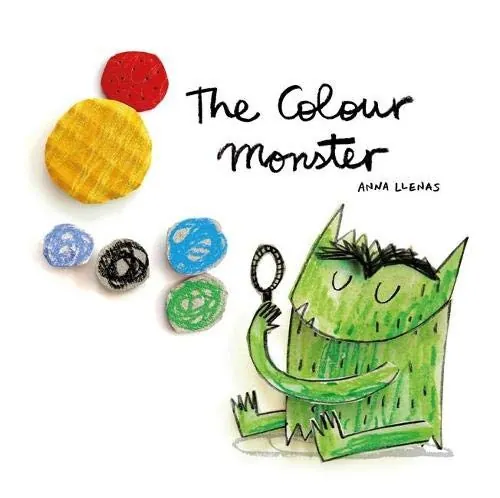
Growing Wise pick
The Colour Monster (Anna Llenas)
- Best for
- Naming feelings
- Age
- 3–6
- Why we chose it
- It gives children a simple colour-for-emotion system, so pointing at a colour can stand in for a feeling they don't have the words for yet.
- Try asking
- "What colour do you think you feel like today?"
- Who may enjoy it
- Children who find it easier to point at something than to explain a feeling out loud.
Best for sitting with difficult feelings
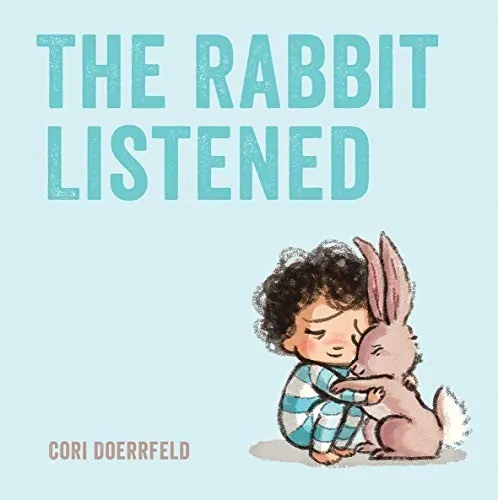
Growing Wise pick
The Rabbit Listened (Cori Doerrfeld)
- Best for
- Sitting with difficult feelings
- Age
- 4–8
- Why we chose it
- It shows that simply being there, without rushing to fix or explain, can be exactly what's needed after something upsetting happens.
- Try asking
- "What do you think would help the character feel better?"
- Who may enjoy it
- Children who tend to go quiet or withdraw when they're upset, and parents looking for an alternative to "cheer up" advice.
Best for talking about change
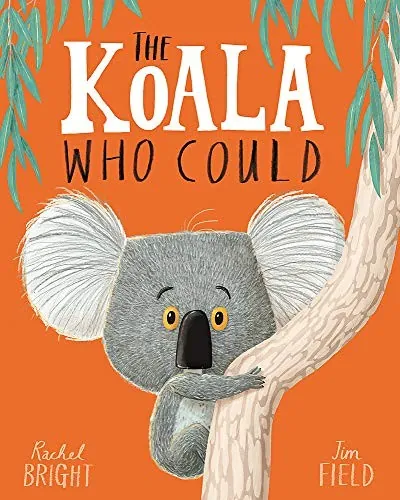
Growing Wise pick
The Koala Who Could (Rachel Bright & Jim Field)
- Best for
- Talking about change
- Age
- 3+
- Why we chose it
- A bendy koala learning to loosen up gives a light, rhyming way into a conversation about change, without it feeling like a lecture.
- Try asking
- "What could the character try next?"
- Who may enjoy it
- Younger children who respond well to a playful story rather than a direct conversation about change.
Best for talking about safer hands during conflict
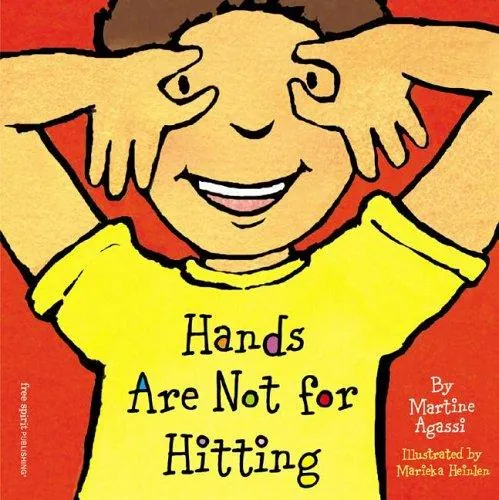
Growing Wise pick
Hands Are Not for Hitting (Martine Agassi)
- Best for
- Talking about safer hands during conflict
- Age
- 4–8
- Why we chose it
- It talks directly and calmly about what hands can do instead of hitting, without shaming a child for the impulse.
- Try asking
- "What else could hands do here instead?"
- Who may enjoy it
- Children who are still learning impulse control during conflict with siblings or friends.
Growing Wise workbook
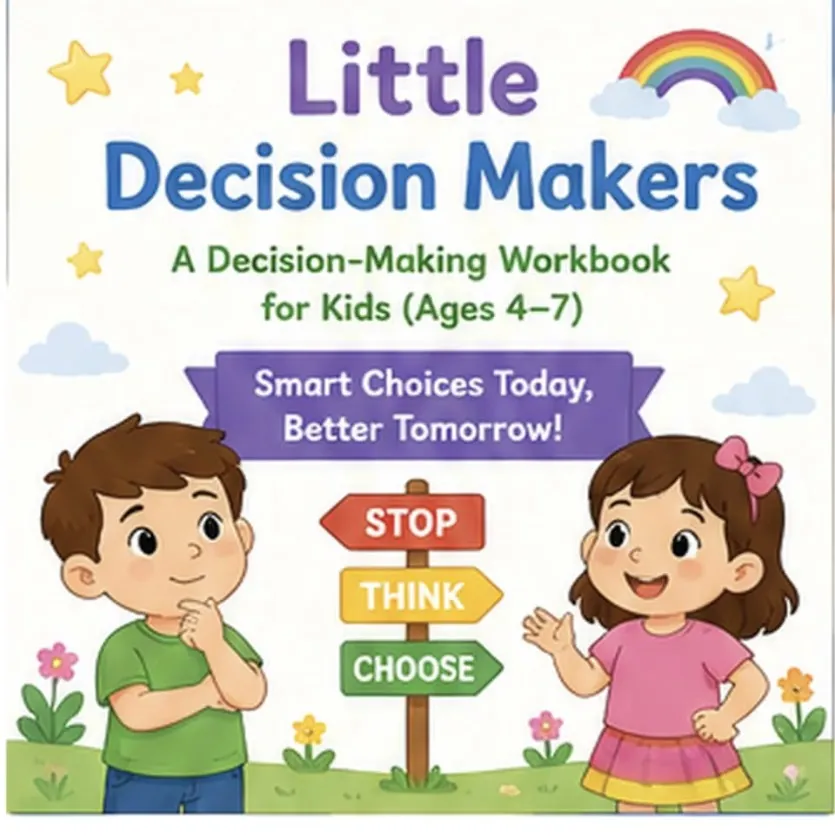
From Growing Wise
Little Decision Makers (Medha Khare)
- Best for
- Practising the "stop, think, choose" thinking away from a screen
- Age
- 4–8
- Why we chose it
- This is a Growing Wise product: a pencil-and-paper companion to the free Growing Wise 5-minute activity.
- Try asking
- "What would you choose to do first?"
- Who may enjoy it
- Children who enjoy pencil-and-paper activities alongside talking things through.
This is a Growing Wise product, not an independent pick: we're the ones who made it.