When your child needs to know what happens next
"In a minute" means nothing to a child who has no idea how long a minute is. Here's what actually helps with transitions, before you reach for any product at all.
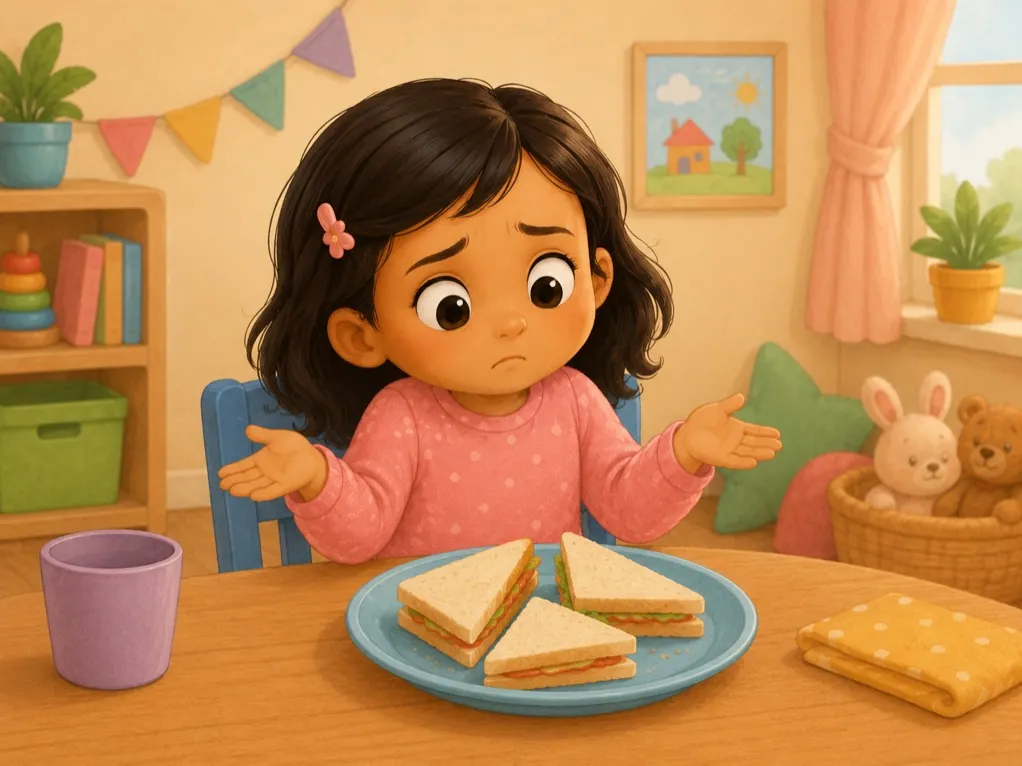
Most transitions get easier with predictable routines, advance warning, and a simple way to picture what happens next, whether that's spoken, drawn, or bought. The tools further down this page (a visual timer, a now-and-next board) are optional extras, not the first thing to reach for.
Predictable routines do most of the work
A child who already knows that dinner comes after bath, and bed comes after a story, needs far less convincing at each individual step. The routine itself becomes the reassurance: "this is just what happens", rather than a new negotiation every evening.
Give advance warning where you can
Where a change can be seen coming, a little notice does a lot of the work before the moment even arrives.
- "Tomorrow looks a bit different: Grandma's picking you up instead of me."
- "After two more turns on the swing, we're leaving."
- "Auntie's staying for dinner tonight, so it'll be a bit later than usual."
Try saying: "In a few minutes we're going to finish up and get your shoes on."
Visual schedules and now-and-next boards
Some children benefit from being able to refer back to a simple visual sequence, rather than relying only on repeated verbal reminders. This can be as simple as three words on a whiteboard.
NOW: breakfast. NEXT: shoes. THEN: nursery.
You don't need a specific product for this. A scrap of paper with three words on it works just as well as anything you can buy.
Visual timers
Some children find it easier when an abstract amount of time is made visible, rather than only hearing "in a few minutes". A visual timer is one way to show time passing rather than repeatedly saying "in a minute".
Try saying: "When the timer finishes, we'll put the toys away and get our shoes."
Offering a choice after an unavoidable change
When a change can't be prepared for in advance, offering two acceptable choices afterwards can hand back a little control.
Try saying: "We could use a bowl instead, or cut these into squares. Which sounds better?"
Try the Growing Wise 5-minute activity
Related reading
For the full guide on the feelings behind this, see when a tiny change feels enormous.
Sources & further reading
By the Growing Wise team · Last reviewed: 5 September 2026
Growing Wise offers educational ideas for parents and carers. It is not a substitute for professional medical, developmental or mental-health advice.