Stolen Words: questions to ask and activities to try
A girl asks her grandfather how to say 'grandpa' in Cree, and learns his language was taken from him at residential school. A gentle, moving story about family, language and healing.
What age is Stolen Words for?
Stolen Words is best for ages 5–9.
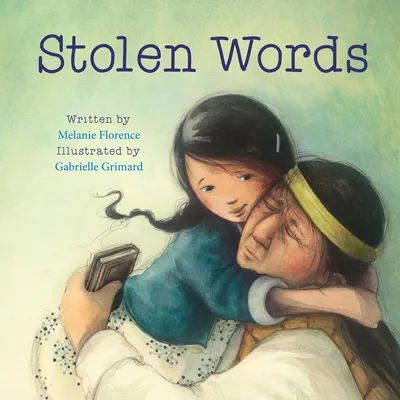
Stolen Words (Melanie Florence and Gabrielle Grimard)
- Age
- 5-9
- Best for
- Family heritage, language, and how a child can help heal
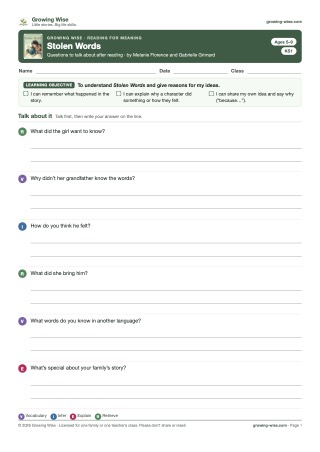 Only 50pStolen Words activity sheet3 printable pages: questions to talk about, a drawing and writing page, and notes for the grown-up. Instant PDF.
Just want the questions? Get the free question card ↓
Read it calmly and let your child ask questions. Focus on the girl and her grandfather, how they felt, and the kind thing she did.
Is this book right for your child?
- Age
- 5–9 (Year 1 to Year 4)
- What they'll enjoy
- A girl asks her grandfather how to say 'grandpa' in Cree, and learns his language was taken from him at residential school. A gentle, moving story about family, language and healing.
- Helps with
- Family heritage, language, and how a child can help heal
- Buy or borrow?
- Borrow it from the library first if you can. If your child asks for it again and again, it’s one worth owning, and the questions and activities on this page work best with the book open next to you.
What it helps with
- Family heritage and language
- Understanding loss
- How children can help
- Talking about hard history gently
Comprehension and discussion questions for Stolen Words
Pick two or three, not all of them. “I don’t know” is a fine answer, and you can always come back to it another day.
- “What did the girl want to know?”
- “Why didn’t her grandfather know the words?”
- “How do you think he felt?”
- “What did she bring him?”
- “What words do you know in another language?”
- “What’s special about your family’s story?”
For the full list of questions and more, download the PDF below.
Print these questions: free question card for Stolen Words
All 6 questions for Stolen Words on one printable page, each marked with the reading skill it practises. Enter your email and download it straight away.
Free. We’ll only email you if you tick the box.
5-minute activities to try together
Family words
Ask a grandparent or relative for a word or saying from their childhood, and learn it together.
Word gift
Make a small book of words that matter to your family, with a picture for each.
Stolen Words activity sheet: printable worksheet and questions
All the questions and activities above on a ready-to-print activity sheet: questions tagged by reading skill with space to answer, a drawing and writing page with a self-check, and notes for the adult with curriculum links and a 20-minute session plan. Pay by card, PayPal or Payhip and download straight away.
- Page 1, talk about it: questions about the story, each tagged with the reading skill it practises, with space to answer or tick
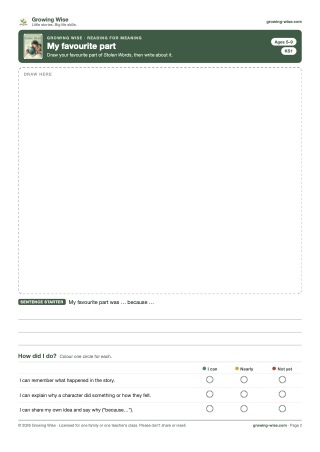
- Page 2, my favourite part: a drawing box, a sentence starter and a “how did I do?” self-check
- Page 3, notes for the adult: curriculum links, a 20-minute session plan, extension activities, and support and challenge ideas
- Read it togetherEnjoy the story first.
- Ask 2 or 3 questionsFrom the list above, while everyone is calm.
- Print the activity sheetAn activity sheet with questions, a drawing page and notes for you.
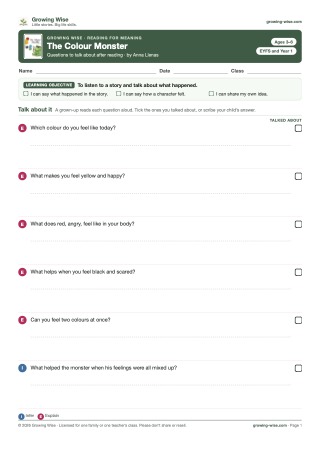
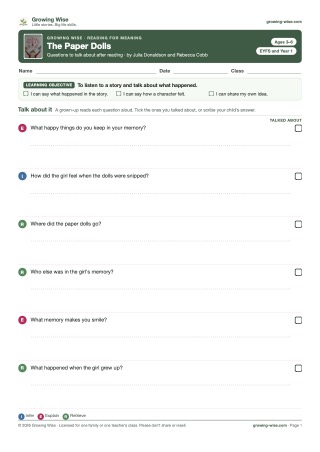
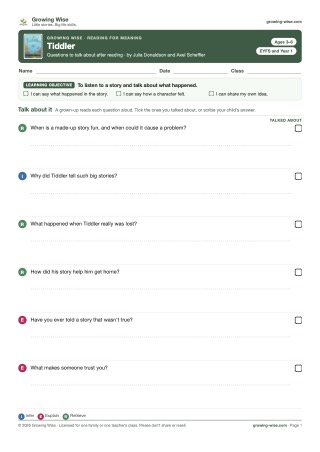 Big Feelings bundle15 activity sheets for books on the same themeThe 15 books:The Colour MonsterThe Paper DollsTiddlerWhen Sophie Gets Angry—Really, Really Angry…Where the Wild Things AreGrumpy MonkeyNot Now, BernardA Great Big CuddleAnna Hibiscus' SongAugustus and His SmileHappyHarry and the Bucketful of DinosaursI Love You, Blue Kangaroo!Knuffle BunnyPenguin£4.99 3 sheets for £1.25Stolen Words + The Colour Monster + The Paper DollsThe 3 books:Stolen WordsThe Colour MonsterThe Paper Dolls£1.25
Pick your own books: build a bundle with this one, up to 15% off →
Priced low on purpose. Every purchase helps keep the book guides, questions and the game free for everyone.
No PayPal account needed. Your download starts straight away. By buying, you agree to this and give up the 14-day right to cancel. Faulty or missing files are always replaced or refunded. Refunds
Use it as a lesson plan
Children can listen to Stolen Words, answer questions about it and give a reason for their ideas, and talk about family heritage and language.
A 20-minute session for ages 5–9 (Year 1 to Year 4), for a class, a small group or one child at home.
- Warm up (2 minutes). Show the cover and read the title. Ask: “What do you think this story will be about?”
- Read aloud (6 minutes). Read it all the way through. Tip: Read it calmly and let your child ask questions. Focus on the girl and her grandfather, how they felt, and the kind thing she did.
- Talk about it (4 minutes). Pick two or three of the comprehension and discussion questions above. “What did the girl want to know?” works well to start.
- Activity (6 minutes). Do Family words. Ask a grandparent or relative for a word or saying from their childhood, and learn it together. Children who finish early can try Word gift.
- Wrap up (2 minutes). Ask each child for one thing they will remember from the story, and why.
Want to go further? The Stolen Words activity sheet has these questions with space to answer, a drawing and writing page, and notes for the adult.
If your child liked this, try
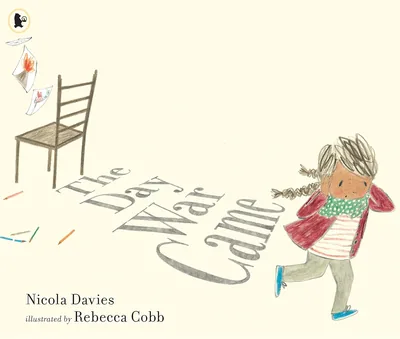
The Day War Came (Nicola Davies and Rebecca Cobb)
- Best for
- A child forced to flee war, and a small act of kindness
- Age
- 5-9
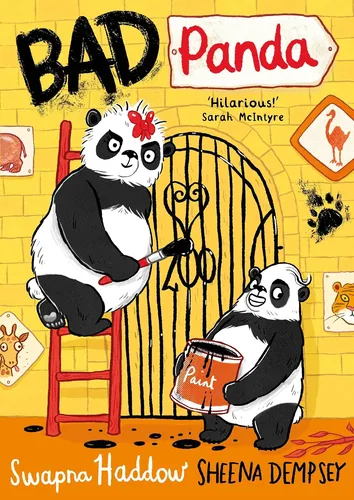
Bad Panda (Swapna Haddow and Sheena Dempsey)
- Best for
- Being fed up with being cute
- Age
- 6-9
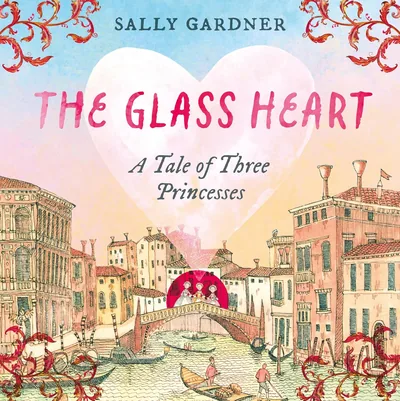
The Glass Heart (Sally Gardner)
- Best for
- An enchanting fairy tale about fragile hearts
- Age
- 5-8
Search all our books by what's happening →
By the Growing Wise team · Last reviewed: 25 October 2026
Growing Wise offers educational ideas for parents and carers. It is not a substitute for professional medical, developmental or mental-health advice. As an Amazon Associate, Growing Wise earns from qualifying purchases.