What Do You Do With a Problem?: questions to ask and activities to try
A child's problem follows him around like a storm cloud, and grows the more he hides from it. What Do You Do With a Problem? is a thoughtful book about facing worries instead of running from them.
What age is What Do You Do With a Problem? for?
What Do You Do With a Problem? is best for ages 5–9.
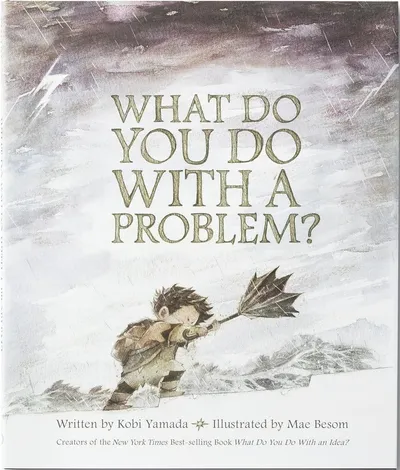
What Do You Do With a Problem? (Kobi Yamada and Mae Besom)
- Age
- 5-9
- Best for
- Problems and worries that seem to grow when you avoid them
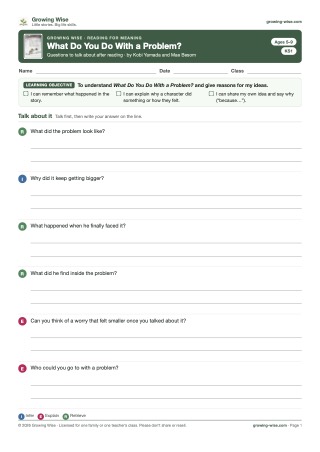 Only 50pWhat Do You Do With a Problem? activity sheet3 printable pages: questions to talk about, a drawing and writing page, and notes for the grown-up. Instant PDF.
Just want the questions? Get the free question card ↓
Look at how the cloud changes size through the book. Ask what made it grow, and what happened when he faced it.
Is this book right for your child?
- Age
- 5–9 (Year 1 to Year 4)
- What they'll enjoy
- A child's problem follows him around like a storm cloud, and grows the more he hides from it. What Do You Do With a Problem? is a thoughtful book about facing worries instead of running from them.
- Helps with
- Problems and worries that seem to grow when you avoid them
- Buy or borrow?
- Borrow it from the library first if you can. If your child asks for it again and again, it’s one worth owning, and the questions and activities on this page work best with the book open next to you.
What it helps with
- Worries that grow and grow
- Facing problems instead of avoiding them
- Seeing problems as chances to learn
- Feeling braver about hard things
Comprehension and discussion questions for What Do You Do With a Problem?
Pick two or three, not all of them. “I don’t know” is a fine answer, and you can always come back to it another day.
- “What did the problem look like?”
- “Why did it keep getting bigger?”
- “What happened when he finally faced it?”
- “What did he find inside the problem?”
- “Can you think of a worry that felt smaller once you talked about it?”
- “Who could you go to with a problem?”
For the full list of questions and more, download the PDF below.
Print these questions: free question card for What Do You Do With a Problem?
All 6 questions for What Do You Do With a Problem? on one printable page, each marked with the reading skill it practises. Enter your email and download it straight away.
Free. We’ll only email you if you tick the box.
5-minute activities to try together
Shrink the cloud
Draw a worry as a cloud. Together, write one small step you could take next to it, then draw the cloud smaller.
Problem jar
Keep a jar where anyone can drop in a problem on paper. Once a week, open one and solve it together.
What Do You Do With a Problem? activity sheet: printable worksheet and questions
All the questions and activities above on a ready-to-print activity sheet: questions tagged by reading skill with space to answer, a drawing and writing page with a self-check, and notes for the adult with curriculum links and a 20-minute session plan. Pay by card, PayPal or Payhip and download straight away.
- Page 1, talk about it: questions about the story, each tagged with the reading skill it practises, with space to answer or tick
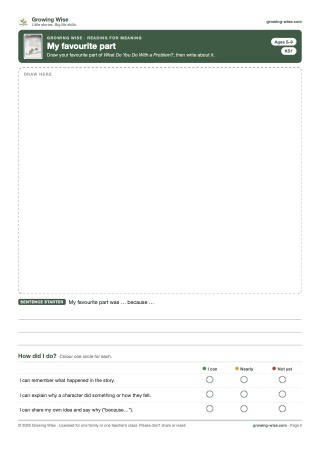
- Page 2, my favourite part: a drawing box, a sentence starter and a “how did I do?” self-check
- Page 3, notes for the adult: curriculum links, a 20-minute session plan, extension activities, and support and challenge ideas
- Read it togetherEnjoy the story first.
- Ask 2 or 3 questionsFrom the list above, while everyone is calm.
- Print the activity sheetAn activity sheet with questions, a drawing page and notes for you.
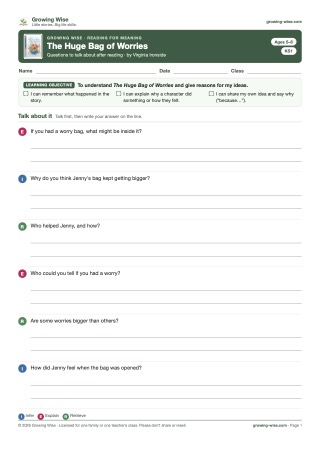
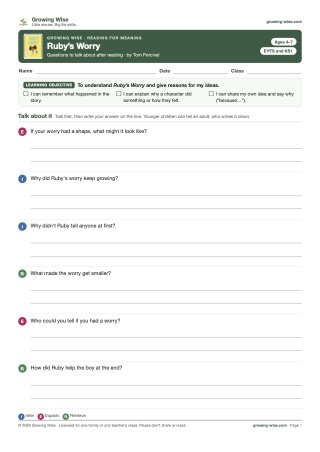
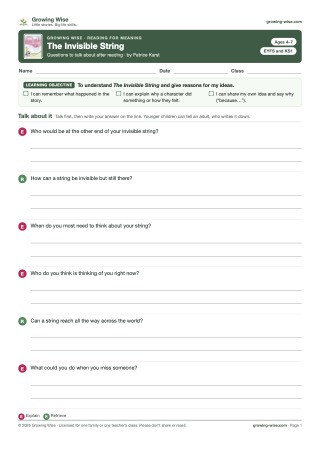 Worries bundle15 activity sheets for books on the same themeThe 15 books:The Huge Bag of WorriesRuby’s WorryThe Invisible StringStick ManMonkey PuzzleThe GruffaloWe're Going on a Bear HuntGoodnight MoonAfter the FallSilly BillyOwl BabiesThe Kissing HandTadA Bit LostLullabyhullaballoo!£4.99 3 sheets for £1.25What Do You Do With a Problem? + The Huge Bag of Worries + Ruby’s WorryThe 3 books:What Do You Do With a Problem?The Huge Bag of WorriesRuby’s Worry£1.25
Pick your own books: build a bundle with this one, up to 15% off →
Priced low on purpose. Every purchase helps keep the book guides, questions and the game free for everyone.
No PayPal account needed. Your download starts straight away. By buying, you agree to this and give up the 14-day right to cancel. Faulty or missing files are always replaced or refunded. Refunds
Use it as a lesson plan
Children can listen to What Do You Do With a Problem?, answer questions about it and give a reason for their ideas, and talk about worries that grow and grow.
A 20-minute session for ages 5–9 (Year 1 to Year 4), for a class, a small group or one child at home.
- Warm up (2 minutes). Show the cover and read the title. Ask: “What do you think this story will be about?”
- Read aloud (6 minutes). Read it all the way through. Tip: Look at how the cloud changes size through the book. Ask what made it grow, and what happened when he faced it.
- Talk about it (4 minutes). Pick two or three of the comprehension and discussion questions above. “What did the problem look like?” works well to start.
- Activity (6 minutes). Do Shrink the cloud. Draw a worry as a cloud. Together, write one small step you could take next to it, then draw the cloud smaller. Children who finish early can try Problem jar.
- Wrap up (2 minutes). Ask each child for one thing they will remember from the story, and why.
Want to go further? The What Do You Do With a Problem? activity sheet has these questions with space to answer, a drawing and writing page, and notes for the adult.
If your child liked this, try
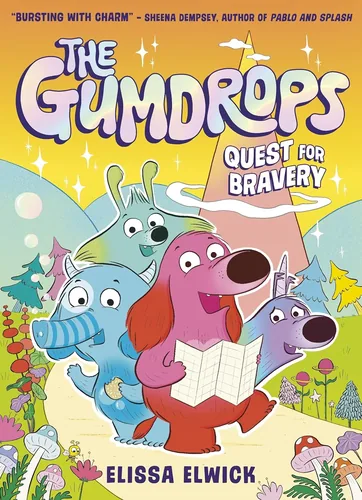
The Gumdrops: Quest for Bravery (Elissa Elwick)
- Best for
- Being brave, with help from an imaginary friend
- Age
- 5-8
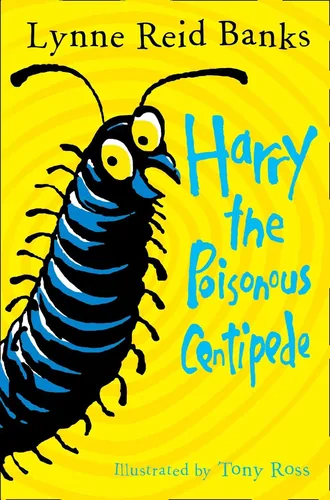
Harry the Poisonous Centipede (Lynne Reid Banks and Tony Ross)
- Best for
- A centipede's adventures in the world of the Hoo-Mins
- Age
- 6-9
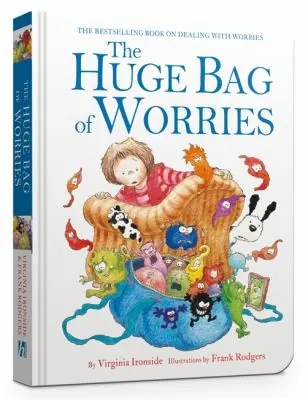
The Huge Bag of Worries (Virginia Ironside)
- Best for
- Talking about worries
- Age
- 5-8
Search all our books by what's happening →
By the Growing Wise team · Last reviewed: 25 October 2026
Growing Wise offers educational ideas for parents and carers. It is not a substitute for professional medical, developmental or mental-health advice. As an Amazon Associate, Growing Wise earns from qualifying purchases.