Lots: questions to ask and activities to try
There are living things everywhere, the more we look, the more we find. Lots is an award-winning introduction to biodiversity and why it matters.
What age is it for? Lots is best for ages 5–8. Good for: How many kinds of living things there are, and why it matters.
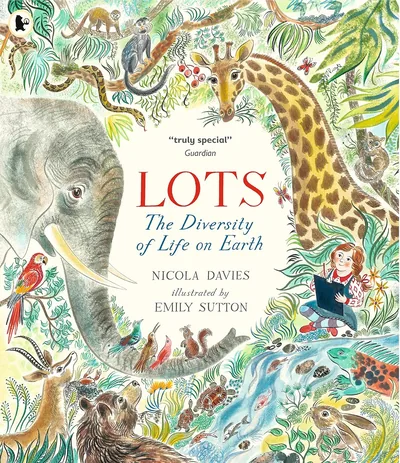
Lots (Nicola Davies and Emily Sutton)
- Age
- 5-8
- Best for
- How many kinds of living things there are, and why it matters
Read a few pages at a time and then go looking for living things outdoors. Count how many kinds you find.
What it helps with
- Biodiversity
- Habitats
- Looking closely
- Protecting nature
Comprehension and discussion questions
Pick two or three, not all of them. “I don’t know” is a fine answer, and you can always come back to it another day.
- “Where do living things live?”
- “What lives in the ocean?”
- “What lives in the jungle?”
- “Why are there so many kinds?”
- “What happens when they disappear?”
- “How many can we find outside?”
5-minute activities to try together
Bio count
Count how many different living things you find in ten minutes outside.
Habitat box
Make a shoebox habitat for a favourite animal.
Free printables: Lots worksheet and activity pack
This book’s one-page worksheet with the questions and activities above, plus our activity pack: printable scenario cards, three 5-minute activities and a “What could I try?” page for practising everyday skills together. Enter your email and download them straight away.
Free. We’ll only email you if you tick the box.
If your child liked this, try
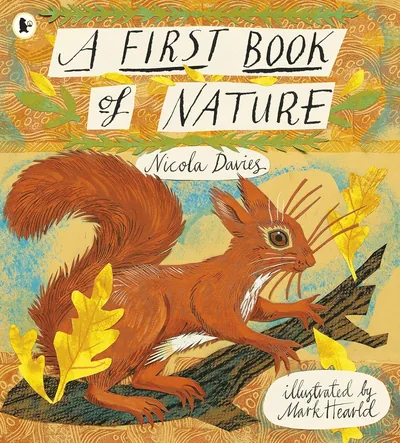
A First Book of Nature (Nicola Davies and Mark Hearld)
- Best for
- A first taste of nature, season by season
- Age
- 3-8
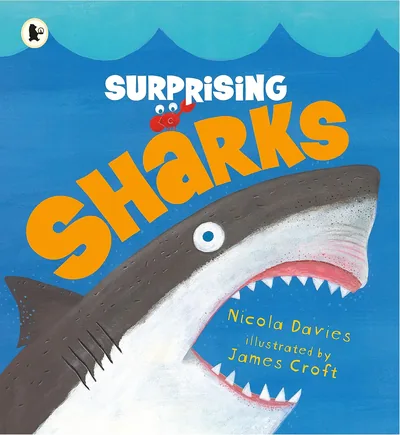
Surprising Sharks (Nicola Davies and James Croft)
- Best for
- Real facts about sharks, and looking past first impressions
- Age
- 4-8
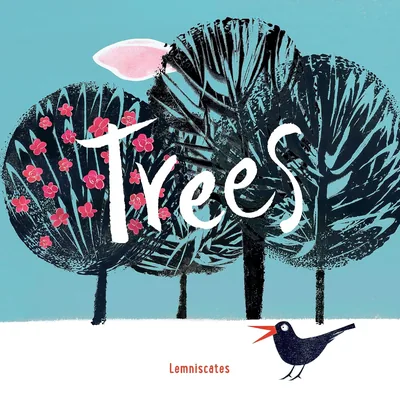
Trees (Lemniscates)
- Best for
- Noticing trees through the seasons
- Age
- 3-7
Search all our books by what's happening →
By the Growing Wise team · Last reviewed: 10 October 2026
Growing Wise offers educational ideas for parents and carers. It is not a substitute for professional medical, developmental or mental-health advice. As an Amazon Associate, Growing Wise earns from qualifying purchases.