Halloween Books for the Classroom
Halloween picture books and first chapter books for Nursery, Reception and Key Stage 1, with a short guide to what Halloween is and how to explain it to a class.
Every book here has a free page of questions to ask and activities to try. They are grouped by age, and there are autumn books for classes that don’t celebrate Halloween.
Quick picks
Free printable: Halloween questions and activities for parents and teachers (PDF).
What is Halloween?
Halloween is celebrated on 31 October. The name is short for All Hallows’ Eve: the evening before All Saints’ Day (All Hallows) on 1 November, when Christians remember the saints.
Why is it celebrated?
Halloween grew out of Samhain (said “SAH-win”), a Celtic festival held in Ireland, Scotland and other parts of Britain more than 2,000 years ago. Samhain marked the end of the harvest and the start of the dark winter months. People believed that on that night the boundary between the living and the dead was thin, so they lit bonfires and some wore disguises.
Over the centuries, Samhain customs mixed with the Christian festival of All Hallows. Irish and Scottish families who moved to North America took the traditions with them. There they grew into the Halloween many people know today, which then spread back to the UK.
What do people do at Halloween?
- Dress up in costumes, often as witches, ghosts, skeletons or monsters, but now as almost anything.
- Trick-or-treat: children visit houses and say “trick or treat” to be given sweets. In Scotland this is called guising, and children traditionally perform a joke, song or poem for their treat.
- Carve pumpkins into lanterns called jack-o’-lanterns. In Ireland and Scotland people first carved turnips and swedes.
- Play games and tell stories, like bobbing for apples and telling spooky (but not too spooky) stories.
Explaining it to young children
A simple version for EYFS and KS1: “A very long time ago, people in Ireland and Scotland had a festival at the end of autumn, when the harvest was in and the nights were getting dark. They lit fires and dressed up. Today, some people still dress up, carve pumpkins and share sweets on 31 October. It’s all pretend, and it’s meant to be fun.”
Before you teach it
- Not every family celebrates Halloween. Some choose not to for religious, cultural or personal reasons. Make costumes and activities optional, and use the autumn books below as an alternative.
- Keep it fun, not frightening. For younger children, choose books that are funny rather than scary, and talk about what is pretend and what is real. Let anyone who feels worried sit closer to you or look away.
- Safety: if you talk about trick-or-treating, remind children only to go with a grown-up they trust.
- Curriculum links: seasonal change and nocturnal animals (Science), harvest and festivals (RE and PSHE), and spooky settings for story writing (English).
Compare the books
| Book | Best for | Age | Stage |
|---|---|---|---|
| Meg and Mog | A witch, her cat and a spell gone wrong | 2–6 | EYFS |
| Room on the Broom | Making room for others, and friends who stick together | 3–6 | EYFS |
| Funnybones | A funny-not-scary classic about skeletons | 3–7 | EYFS |
| A Dark, Dark Tale | A spooky story with a gentle surprise | 3–6 | EYFS |
| Bedtime for Monsters | Bedtime fears, with a funny twist | 3–6 | EYFS |
| The Owl Who Was Afraid of the Dark | A baby owl who's afraid of the dark | 4–8 | KS1 |
| The Dark | Being afraid of the dark, and meeting it | 3–7 | KS1 |
| It's Only Stanley | Spotting what's really going on in a funny rhyme | 3–7 | KS1 |
| The Jolley-Rogers and the Ghostly Galleon | A mysterious ghost ship and pirate friends | 5–8 | KS1 |
| Wigglesbottom Primary: The Toilet Ghost | Laugh-out-loud school stories | 5–8 | KS1 |
| The Worst Witch | Getting things wrong at witch school | 6–9 | Year 2+ |
| Sam Wu Is NOT Afraid of Ghosts! | Pretending not to be scared | 6–10 | Year 2+ |
| We Planted a Pumpkin | Growing something, waiting and caring for it | 2–6 | Autumn, no Halloween |
| Pumpkin Soup | Sharing jobs, falling out and making up with friends | 3–7 | Autumn, no Halloween |
| Amara and the Bats | Caring about wildlife and taking action | 4–8 | Autumn, no Halloween |
EYFS: Nursery and Reception (ages 3–5)
Short, funny and full of repetition: good for a first Halloween story time.
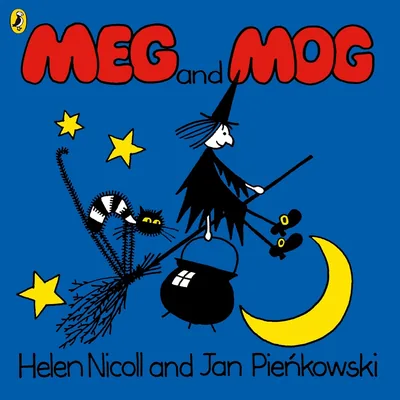
A bright, simple first Halloween story
Meg and Mog (Helen Nicoll and Jan Pieńkowski)
- Best for
- A witch, her cat and a spell gone wrong
- Age
- 2–6
- Why we chose it
- Meet Meg the witch and Mog, her very naughty cat. They're off to a Halloween party with their friends, but BANG! One of Meg's spells doesn't work as planned. A bold, bright classic for 50 years.
- Try asking
- “What went wrong with Meg's spell?”
- Classroom idea
- Make a class “spell” in a big pot: each child adds a leaf, a conker or a silly word, then talk about what the spell might do.
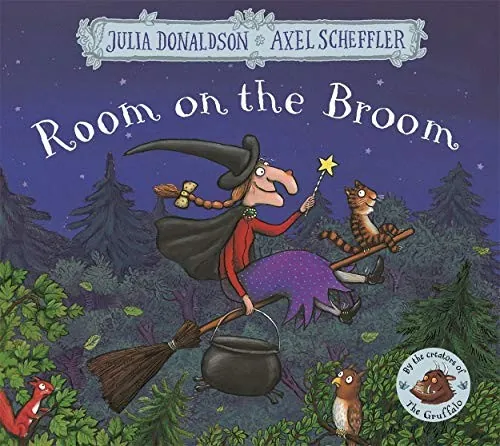
A rhyming read-aloud the whole class can join in with
Room on the Broom (Julia Donaldson and Axel Scheffler)
- Best for
- Making room for others, and friends who stick together
- Age
- 3–6
- Why we chose it
- A witch keeps making room on her broom for new friends, and when she is in danger they save her. It shows including others as something that comes back to you.
- Try asking
- “What happened because the witch made room for everyone?”
- Classroom idea
- Act it out: one child is the witch, and each new animal has to ask to join before they climb on a row of chairs.
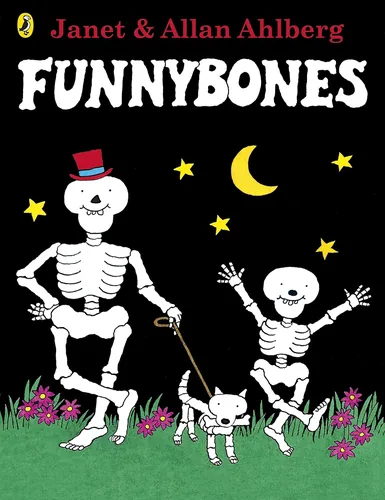
Skeletons that are funny, not scary
Funnybones (Janet and Allan Ahlberg)
- Best for
- A funny-not-scary classic about skeletons
- Age
- 3–7
- Why we chose it
- On a dark dark hill there was a dark dark town. In a dark dark cellar lived a big skeleton, a little skeleton and a dog skeleton. One night they go out to frighten somebody... A much-loved classic that's funny rather than scary, with easy-to-read repeated text.
- Try asking
- “Who did the skeletons try to frighten?”
- Classroom idea
- Join in with the “dark dark” refrain, then make up a class “dark dark” story about your own school.
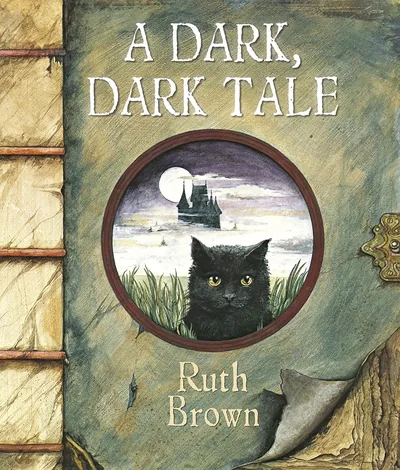
A gentle spooky build-up with a surprise ending
A Dark, Dark Tale (Ruth Brown)
- Best for
- A spooky story with a gentle surprise
- Age
- 3–6
- Why we chose it
- Follow a black cat through a dark, dark wood, into a dark, dark house, and on to a surprise discovery at the back of the toy cupboard. A mysterious, beautifully illustrated picture book with a gentle twist.
- Try asking
- “What was in the box at the end?”
- Classroom idea
- Spot the black cat on every page, and ask children to predict what is in the box before the last page.
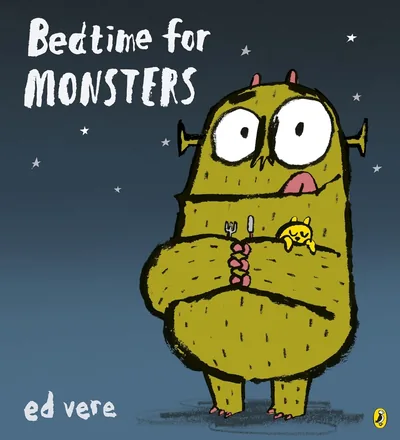
Turning a bedtime fear into a giggle
Bedtime for Monsters (Ed Vere)
- Best for
- Bedtime fears, with a funny twist
- Age
- 3–6
- Why we chose it
- A monster is coming, and his tummy is rumbling. Is he looking for a bedtime snack? Closer and closer he gets... but all he really wants is a big monster goodnight kiss. A funny, gently scary book that turns a bedtime fear into a giggle.
- Try asking
- “What did the monster really want?”
- Classroom idea
- Children draw their own monster and decide one kind thing it wants at bedtime, like a story or a hug.
KS1: Years 1 and 2 (ages 5–7)
A bit more story, and good starting points for talking about fear, the dark and what is real.
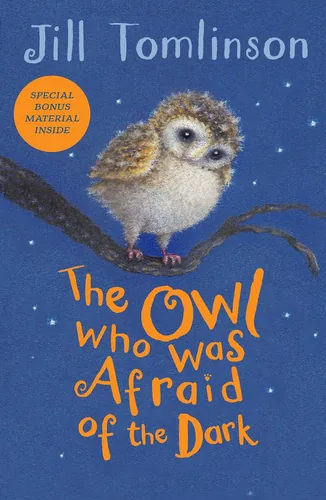
A class with nervous children, or a nocturnal animals topic
The Owl Who Was Afraid of the Dark (Jill Tomlinson)
- Best for
- A baby owl who's afraid of the dark
- Age
- 4–8
- Why we chose it
- Plop the baby barn owl is like every barn owl there ever was, except one thing: he's afraid of the dark. "Dark is nasty," he says. Mrs Barn Owl sends him down to find out about the dark, and everyone he meets shows him something wonderful about it. A classic.
- Try asking
- “What did Plop learn about the dark?”
- Classroom idea
- Read a chapter a day. After each one, add one good thing about the dark to a class list, as Plop learns to.
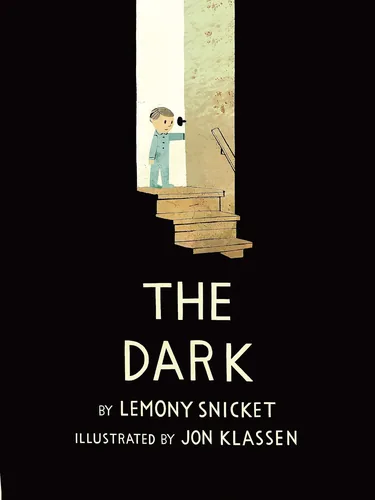
Talking about being afraid of the dark
The Dark (Lemony Snicket and Jon Klassen)
- Best for
- Being afraid of the dark, and meeting it
- Age
- 3–7
- Why we chose it
- Laszlo is afraid of the dark. The dark lives in the same house, mostly in the basement. It doesn't visit Laszlo in his room, until one night it does. An empowering story about conquering your fears.
- Try asking
- “What did the dark want to show Laszlo?”
- Classroom idea
- Turn the lights down and use a torch to explore a corner of the room together, then talk about what the dark showed Laszlo.
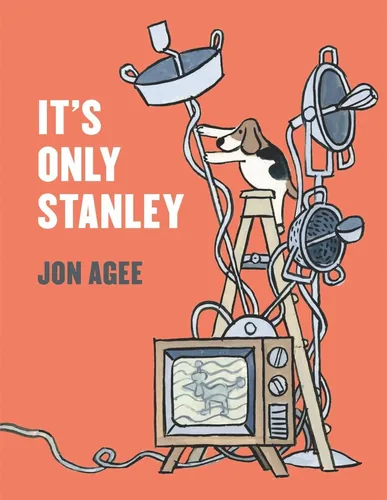
Inference: working out what is really going on
It's Only Stanley (Jon Agee)
- Best for
- Spotting what's really going on in a funny rhyme
- Age
- 3–7
- Why we chose it
- The Wimbledons are sleeping when they hear a spooky sound. "It's only Stanley," says Walter, "he's howling at the moon." But Stanley the dog is busy all night with banging, clanging and mending, and he's up to something much bigger than anyone realises.
- Try asking
- “What was Stanley really doing?”
- Classroom idea
- Before each reveal, ask the class what Stanley is really doing, and what clues in the pictures tell them.
A ghost-ship mystery for newly confident readers
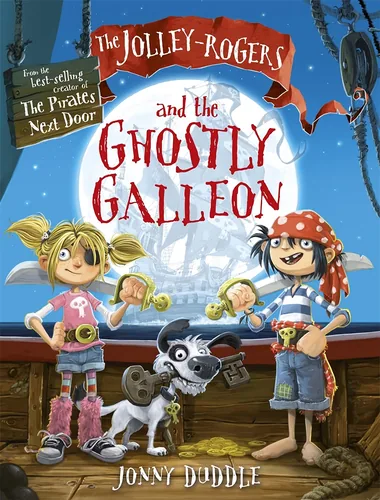
The Jolley-Rogers and the Ghostly Galleon (Jonny Duddle)
- Best for
- A mysterious ghost ship and pirate friends
- Age
- 5–8
- Why we chose it
- Every full moon, a mysterious ship is seen off the coast. Jim Lad and Matilda set sail to find out what's going on in this illustrated pirate adventure from the creator of The Pirates Next Door.
- Try asking
- “What was the ghostly galleon?”
- Classroom idea
- Children draw the ghostly galleon and its crew, then write one sentence about who they think is on board.
A funny haunted-school story to read aloud
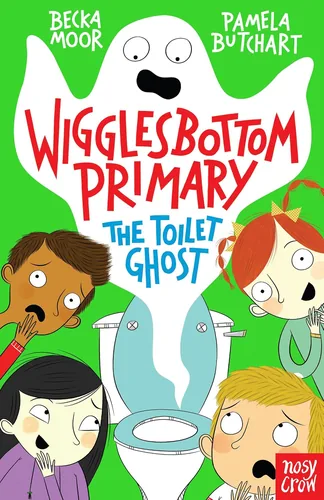
Wigglesbottom Primary: The Toilet Ghost (Pamela Butchart and Becka Moor)
- Best for
- Laugh-out-loud school stories
- Age
- 5–8
- Why we chose it
- Anything can happen at Wigglesbottom Primary, and it always does! Are the boys' toilets haunted? Can a stinky shoe tell the future? Three laugh-out-loud classroom stories for newly confident readers.
- Try asking
- “Were the toilets really haunted?”
- Classroom idea
- After the toilet-ghost story, ask: was it really haunted? Then write a class “silly school mystery”.
Confident readers: Year 2 and up (ages 6–9)
First chapter books for a class read-aloud or for children reading on their own.
A class read-aloud about getting things wrong
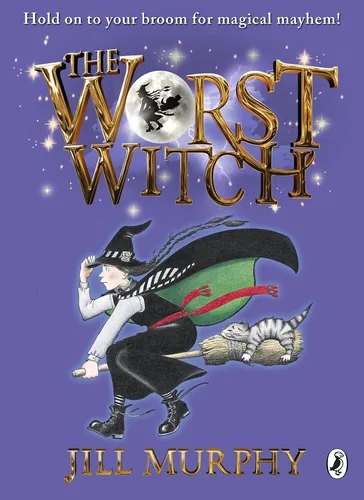
The Worst Witch (Jill Murphy)
- Best for
- Getting things wrong at witch school
- Age
- 6–9
- Why we chose it
- Mildred Hubble is a trainee at Miss Cackle's Academy for Witches, but she's making an awful mess of it. She keeps getting her spells wrong and can't ride her broomstick without crashing. The original magical boarding-school classic.
- Try asking
- “What did Mildred keep getting wrong?”
- Classroom idea
- Each child writes a spell that goes wrong in a funny way, like Mildred’s.
Pretending not to be scared
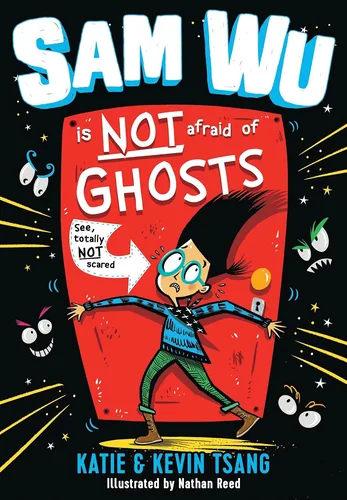
Sam Wu Is NOT Afraid of Ghosts! (Katie and Kevin Tsang and Nathan Reed)
- Best for
- Pretending not to be scared
- Age
- 6–10
- Why we chose it
- Sam Wu is NOT a scaredy-cat. But after an embarrassing trip to the Space Museum, everyone thinks he is, so he sets out to prove he's brave by catching a ghost. The funny first book in the illustrated series.
- Try asking
- “How did Sam try to prove he was brave?”
- Classroom idea
- In pairs, design a (very silly) ghost trap and label how it works.
If your class doesn’t celebrate Halloween
Autumn books with pumpkins, bats and the dark, but no witches or ghosts. They work alongside the books above, or instead of them.
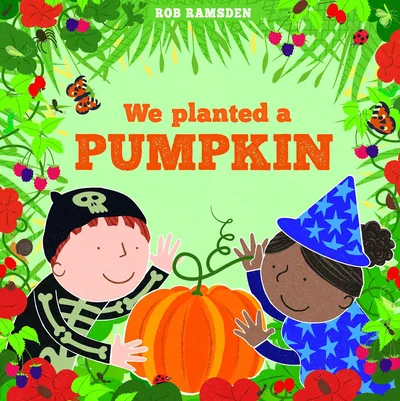
Pumpkins and seasons, with no Halloween needed
We Planted a Pumpkin (Rob Ramsden)
- Best for
- Growing something, waiting and caring for it
- Age
- 2–6
- Why we chose it
- Two friends plant a tiny seed and look after it through the seasons, hoping for a big, fat, orange pumpkin for Halloween. Along the way they feel excited, anxious, joyful and proud. A simple, poetic story about growing things together.
- Try asking
- “How did the friends feel while waiting for the pumpkin?”
- Classroom idea
- Plant a seed in class and draw it once a week to record how it changes.
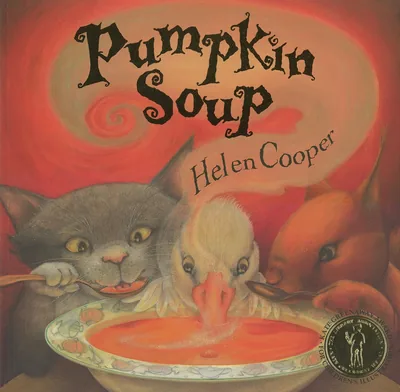
Autumn soup, sharing jobs and making up after a falling-out
Pumpkin Soup (Helen Cooper)
- Best for
- Sharing jobs, falling out and making up with friends
- Age
- 3–7
- Why we chose it
- Cat slices, Squirrel stirs and Duck adds the salt, every single day. But when Duck wants a turn at stirring, there's a big squabble and Duck walks out. A warm, rhythmic classic about sharing, missing a friend, and making up.
- Try asking
- “Why did Duck want to stir the soup?”
- Classroom idea
- Make something together, like a fruit salad or a tower, and give every child a turn at each job.
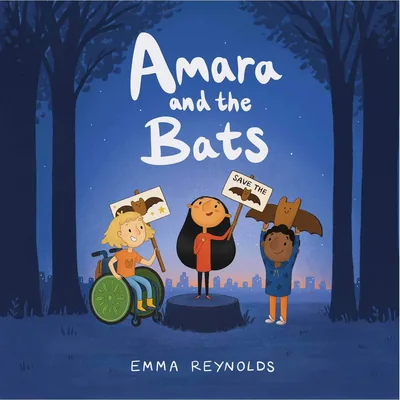
Bats, habitats and taking action
Amara and the Bats (Emma Reynolds)
- Best for
- Caring about wildlife and taking action
- Age
- 4–8
- Why we chose it
- Amara loves bats. But when she moves to a new town, she learns her beloved bats no longer roost nearby because they're losing their habitat. She's just one person, and the problem feels big. What can she do? A charming story about a girl who takes action.
- Try asking
- “How did Amara help the bats?”
- Classroom idea
- Find three amazing bat facts as a class and make a “Did you know?” display.
Questions and activities for any Halloween book
These work with the books above and with any spooky story, at home or in class. Pick two or three questions: a short, relaxed chat works better than a long quiz.
Types of questions to ask
- Before reading: look at the cover. Will it be funny, spooky or both? Are witches and ghosts real or pretend?
- While reading: stop before a page turn and ask what will happen next, or how a character is feeling and how the picture shows it.
- Remembering: who was in the story, and what happened at the end?
- Feelings: was anyone scared? What helped them feel braver? Have you ever been scared of something that turned out to be OK?
- Thinking deeper: which parts could really happen? Was the “scary” character really bad, or just misunderstood?
- Making it your own: what would you have done? What would you add to the story?
Activities to try
- Spell pot (Meg and Mog): mix leaves, conkers and water, and invent a spell with silly words.
- A dark, dark story (Funnybones, A Dark, Dark Tale): take turns adding lines to a story that starts “In a dark, dark house…”.
- What’s that noise? (It’s Only Stanley): make a sound behind a door and guess what it really is.
- Torch walk (The Dark, The Owl Who Was Afraid of the Dark): explore a dim corner with a torch and name one good thing about the dark.
- How brave do you feel? After the story, children point to a 5-step scale from “not scared at all” to “very scared”, which is an easy way to check in.
Free printable: Halloween questions and activities
A 2-page PDF for parents and teachers: all the questions above sorted by type, a “How brave do you feel?” scale, 8 activities matched to the books, and a draw-your-own Halloween character page. Enter your email and download it straight away.
Free. We’ll only email you if you tick the box.
More for your class
By the Growing Wise team · Last reviewed: 21 October 2026
Growing Wise offers educational ideas for parents, carers and teachers. It is not a substitute for professional medical, developmental or mental-health advice.